

Introduction
Disaster Relief NGOs in India are indispensable as the country remains highly vulnerable to natural disasters such as floods, cyclones, earthquakes, and droughts, as well as man-made crises like industrial accidents and displacement due to conflicts. With its diverse geography and dense population, India faces significant challenges from these events, which often overwhelm state resources and infrastructure, especially in remote rural areas and urban slums.
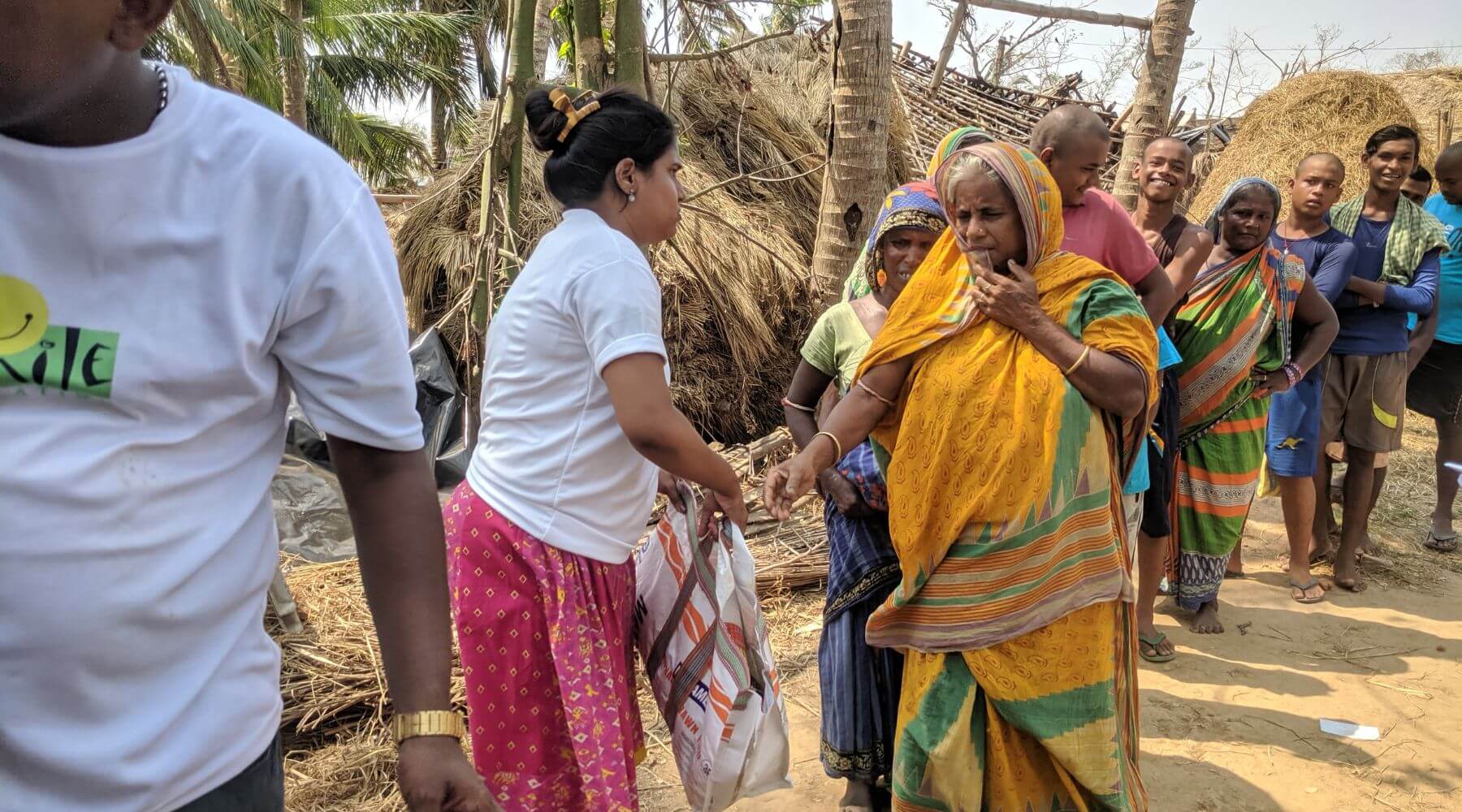
These NGOs play a vital role in delivering immediate response, including medical assistance, food distribution, shelter provision, and rehabilitation, while also focusing on long-term resilience building to prepare communities for future crises. Through swift action, innovative strategies, and collaboration with local governments, these organizations ensure aid reaches the most affected populations efficiently.
This blog highlights the top 10 Disaster Relief NGOs in India, concluding with the impactful role of Unessa Foundation in fostering community-based resilience and recovery across diverse regions.
Top 10 Disaster Relief NGOs in India
01
Goonj
Focus: Disaster relief through urban-rural resource mobilization.
Goonj provides clothing, food, and essential supplies during disasters while engaging affected communities in rebuilding efforts.
Why it matters
Uses a dignity-based approach by linking relief with development.
02
SEEDS (Sustainable Environment and Ecological Development Society)
Focus: Disaster response and preparedness.
SEEDS works on rescue, relief, rehabilitation, and building disaster-resilient infrastructure in disaster-prone areas.
Why it matters
Blends immediate response with long-term resilience strategies.
03
Indian Red Cross Society
Focus: Disaster response and preparedness.
SEEDS works on rescue, relief, rehabilitation, and building disaster-resilient infrastructure in disaster-prone areas.
Why it matters
One of the oldest and most widespread relief networks in India.
04
Save the Children India
Focus: Child-centered disaster relief.
Protects children during disasters by providing safe shelters, education continuity, healthcare, and psychosocial support.
Why it matters
Prioritizes vulnerable children in emergency situations.
05
Oxfam India
Focus:Humanitarian relief and advocacy.
Provides food, water, sanitation, and shelter during disasters, while advocating for disaster risk reduction policies.
Why it matters
Combines emergency aid with rights-based development approaches.
06
CARE India (Disaster Response Programs)
Focus: Relief distribution and rehabilitation.
Delivers food, clean water, hygiene kits, and temporary shelters during emergencies.
Why it matters
Supports both immediate relief and long-term livelihood recovery.
07
Rapid Response
Focus:Emergency disaster response.
Responds within hours of a disaster with food, medical aid, and temporary shelter.
Why it matters
Known for speed and efficiency in reaching disaster zones.
08
Habitat for Humanity India
Focus:Post-disaster housing and rehabilitation.
Builds permanent housing for families affected by disasters and trains communities in disaster preparedness.
Why it matters
Provides sustainable shelter and recovery solutions.
09
Doctors For You
Focus: Medical relief and health response.
Deploys doctors and medical teams to provide healthcare during disasters and pandemics.
Why it matters
Bridges the critical gap of medical services during emergencies.
10
Unessa Foundation
Unessa Foundation provides immediate aid such as food, water, and shelter, along with long-term recovery programs in disaster-hit areas. Its approach combines relief with resilience training and community preparedness.
Key Strengths:
Rapid relief distribution.
Mobile medical camps.
Community disaster preparedness workshops.
Why These NGOs Matter: Tangible Impact
India’s susceptibility to disasters, compounded by climate change and population density, leaves millions at risk of losing homes, livelihoods, and lives, particularly in coastal and mountainous regions.
Safety & Protection
The disaster relief NGOs India and emergency aid organizations India listed here are delivering swift response and comprehensive support to protect affected communities, especially through essential services such as food, shelter, and medical care.
Economic Independence
These resilience-building NGOs help communities recover by providing training and support that strengthen their ability to withstand future disasters, contributing to long-term stability and independence.
Leadership & Advocacy
The top NGOs for disaster response collaborate with local authorities and international partners, using tailored solutions like early warning systems and sustainable housing to build resilience and ensure both remote villages and urban centers are better prepared for future challenges.
Unessa Foundation disaster relief aligns with these efforts, integrating disaster response into its humanitarian mission, fostering an ecosystem where communities are empowered with resources, preparedness, and recovery support to withstand future crises.
Conclusion
In 2026, Disaster Relief NGOs in India are more than just organizations—they’re lifelines empowering communities and rebuilding lives after disasters. Through emergency aid, rehabilitation, and advocacy, these NGOs, including Unessa Foundation, are helping mitigate the impacts of floods, earthquakes, and other crises, fostering a resilient future. By addressing challenges like inadequate infrastructure, resource scarcity, and delayed response times, and leveraging government collaboration and global support, you can contribute to a society prepared for disasters. These efforts uplift affected populations, restore hope, and strengthen community resilience. Start small—start today.
To explore the purpose, impact, and role of NGOs in society, check out our comprehensive guide at Unessa Foundation’s Understanding NGOs.
FAQs
What do Disaster Relief NGOs in India do?
They provide immediate aid like food, water, shelter, and medical care during disasters, and help communities rebuild while preparing for future crises.
How can I donate to support disaster relief?
You can contribute online through platforms like Razorpay to fund emergency supplies, shelters, medical kits, and community training programs.
Who benefits from these disaster relief programs?
Vulnerable populations in disaster-hit areas, including families in rural regions, urban slums, children, and elderly individuals, receive aid and support.
How do NGOs like Unessa Foundation help communities prepare for disasters?
They conduct disaster preparedness workshops, resilience training, and awareness programs, empowering communities to respond effectively to future emergencies.
Can donations have a lasting impact?
Yes—contributions support not just immediate relief but also long-term recovery, sustainable housing, medical care, and capacity-building programs that strengthen community resilience.
❤️ Donate to disaster relief and resilience programs❤️
Your contribution directly funds Emergency food,temperory shelters, disaster perparedness training.
Your donation helps us fund:
Emergency food and water supplies
Temporary shelters and medical kits
Disaster preparedness training
Reconstruction of homes and infrastructure
Even a small monthly contribution can fund relief supplies, training sessions, or rebuilding efforts for multiple communities.