
Introduction
Health NGOs in India are indispensable in ensuring healthcare as a fundamental human right, addressing the stark reality that millions still lack access to affordable and quality medical services, especially in remote rural areas and underserved urban slums. Despite government efforts to expand public health infrastructure, challenges like inadequate facilities, shortage of medical professionals, and economic barriers persist, leaving vulnerable populations at risk.
These NGOs bridge this gap by delivering healthcare to hard-to-reach regions, promoting preventive health measures, and bolstering public health systems through innovative programs and community engagement. By collaborating with local authorities, healthcare providers, and international partners, they strive to create a healthier India.
This blog highlights the top 10 Health NGOs in India, concluding with the impactful role of Unessa Foundation in advancing community-based health solutions across diverse landscapes.
Top 10 Health NGOs in India
01
Smile Foundation
Focus: Child healthcare, education, and nutrition.
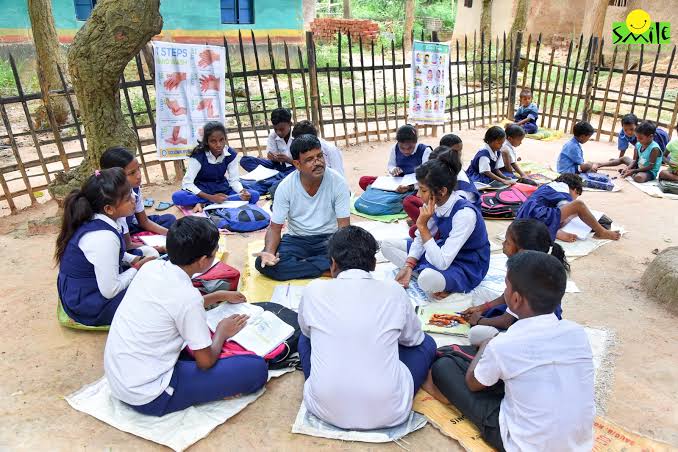
Smile Foundation runs the ‘Smile on Wheels’ program delivering mobile healthcare to rural and slum populations, integrating health services with education and nutrition initiatives.
Why it matters
Offers holistic care that addresses the root causes of poor health.
02
Narayana Health Foundation
Focus: Affordable tertiary healthcare.
Narayana Health makes complex surgeries and treatments accessible to the poor at low cost without compromising quality.
Why it matters
Bridges the affordability gap in specialized medical care.
03
HelpAge India
Focus: Elderly healthcare and welfare.
HelpAge India provides mobile healthcare units, palliative care, and cataract surgeries for senior citizens.
Why it matters
Supports one of the most vulnerable demographics in healthcare.
04
Operation Smile India
Focus: Corrective surgeries for cleft lip and palate.
Operation Smile India offers free surgeries for children born with cleft conditions, restoring smiles and functionality.
Why it matters
Addresses a critical but often neglected surgical need.
05
The Hans Foundation
Public health and disability services.
The Hans Foundation supports a network of projects providing healthcare in rural and tribal regions, with a strong focus on maternal and child health.
Why it matters
Strengthens health systems in hard-to-reach areas.
06
Jagori
Focus: Primary healthcare in underserved areas.
Operates low-cost clinics offering consultations, medicines, and diagnostics to low-income communities.
Why it matters
Makes quality primary care accessible to the poor.
07
Wockhardt Foundation
Focus: Mobile healthcare, sanitation, and health education. Runs the ‘Mobile 1000’ program delivering healthcare via mobile medical units to rural populations.
Why it matters
Reaches patients in remote areas with no regular medical facilities.
08
Akshaya Patra Foundation (Health Initiatives)
Focus: Nutrition and school health.
Beyond mid-day meals, Akshaya Patra promotes child health with deworming drives, nutrition awareness, and basic health check-ups.
Why it matters
Tackles malnutrition and related health issues in children.
09
Public Health Foundation of India (PHFI)
Focus: Public health education, policy, and research. PHFI works to strengthen India’s public health system through training, advocacy, and large-scale health research.
Why it matters
Influences policy and builds skilled public health professionals.
10
Unessa Foundation
Community-led health innovation. Unessa Foundation promotes health awareness, preventive healthcare, and access to essential services in underserved communities. It integrates health programs with education and livelihood support for sustainable well-being.
Key Strengths:
Preventive health workshops.
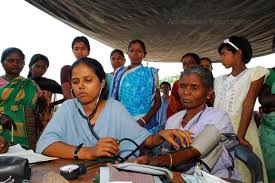
Mobile health camps.
Partnerships with local clinics.
- Holistic approach addressing social determinants of health.
Why These NGOs Matter: Tangible Impact
India’s healthcare system faces significant challenges, including rural-urban disparities, limited access to specialists, and rising non-communicable diseases, particularly affecting tribal and coastal populations.
Safety & Protection
The health NGOs India and healthcare NGOs India listed here are driving transformative change by providing affordable care, preventive education, and specialized services to underserved communities.
Economic Independence
These affordable health organizations and top NGOs for health services collaborate with governments and local health workers to implement solutions like mobile clinics, nutrition programs, and policy advocacy.
Leadership & Advocacy
These initiatives reach remote areas effectively through collaboration, community engagement, and focused implementation of essential health interventions.
Unessa Foundation health support aligns with these efforts, integrating health empowerment into its humanitarian mission, fostering an ecosystem where communities are equipped with resources, knowledge, and access to build healthier lives.
Conclusion
In 2026, Health NGOs in India are more than just organizations—they’re lifelines empowering communities with better health and dignity. Through accessible healthcare, preventive measures, and advocacy, these NGOs, including Unessa Foundation, are helping bridge healthcare gaps, reduce disease burdens, and build resilient societies, shaping a healthier future. By addressing challenges like inadequate infrastructure, medical shortages, and poverty, and leveraging public-private partnerships and community involvement, you can contribute to a healthier India. These efforts uplift vulnerable lives, strengthen public health systems, and inspire global healthcare advancements. Start small—start today.
To explore the purpose, impact, and role of NGOs in society, check out our comprehensive guide at Unessa Foundation’s Understanding NGOs.
FAQs
What do Health NGOs in India primarily focus on?
Health NGOs work to provide affordable healthcare, mobile medical services, preventive health education, and support for vulnerable communities lacking access to medical facilities.
How do mobile health camps help rural communities?
Mobile health camps bring doctors, medicines, and diagnostics directly to remote areas, reducing travel costs and ensuring timely treatment.
Why is preventive healthcare important?
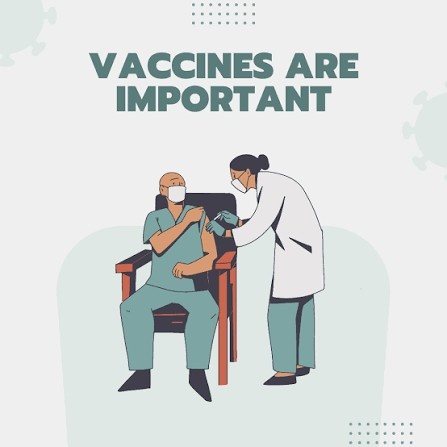
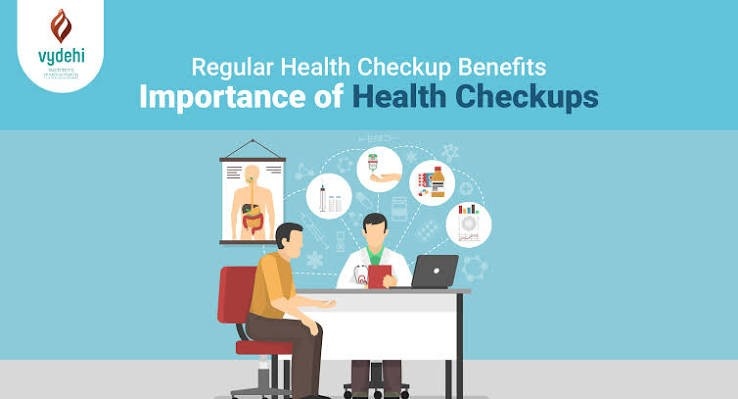
Preventive care—like vaccinations, nutrition education, and screenings—helps reduce disease risk, lower treatment costs, and improve long-term community health.
How does my donation support health initiatives?
Your contribution funds mobile medical units, medicines, diagnostics, maternal care, and health awareness programs for underserved families.
What makes Unessa Foundation different from other health NGOs?
Unessa Foundation focuses on community-led solutions, combining health, education, and livelihood support to create sustainable and holistic long-term impact.
❤️ Donate to health and wellness programs ❤️
Your contribution directly funds mobile medical units,preventive health education,affordable medicines.
Your donation helps us fund:
- Mobile medical units and health camps
- Preventive health education and vaccines
- Affordable medicines and diagnostics
Maternal and child health initiatives
Even a small monthly contribution can fund medical check-ups, vaccines, or health education for multiple families.