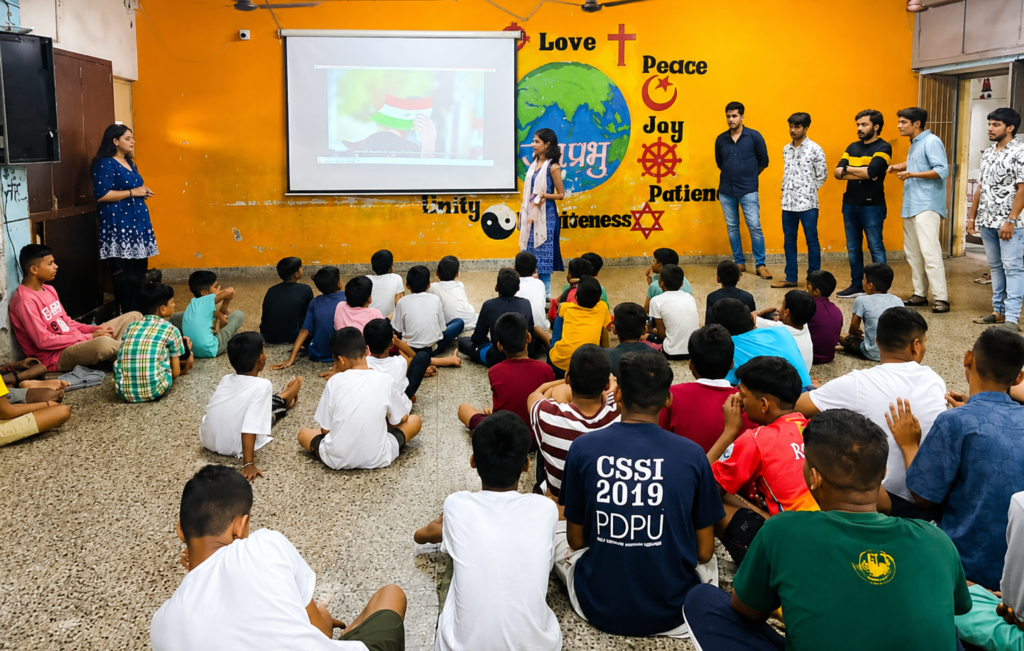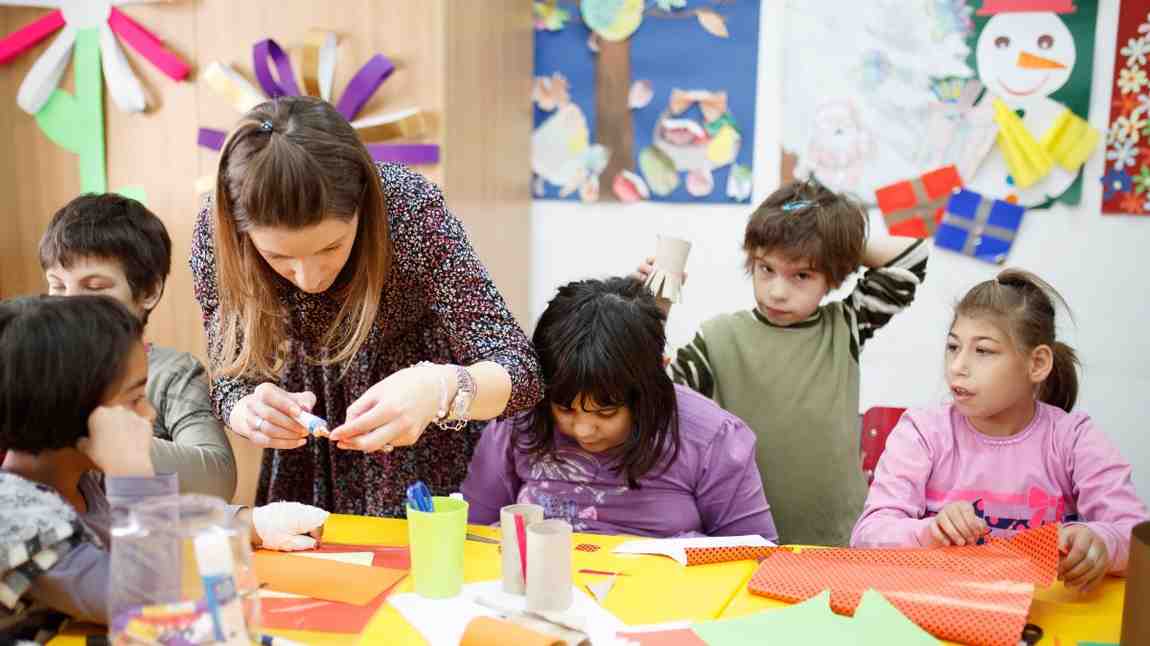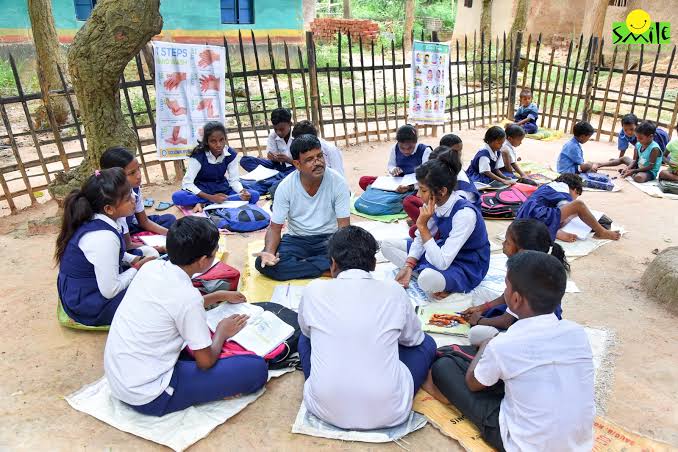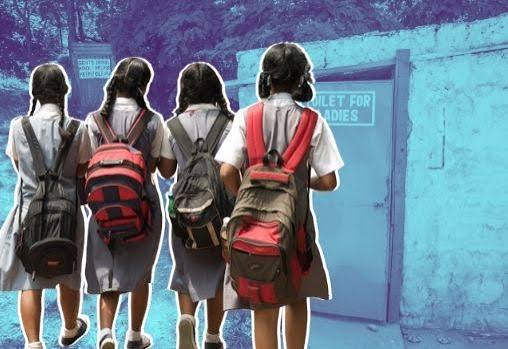

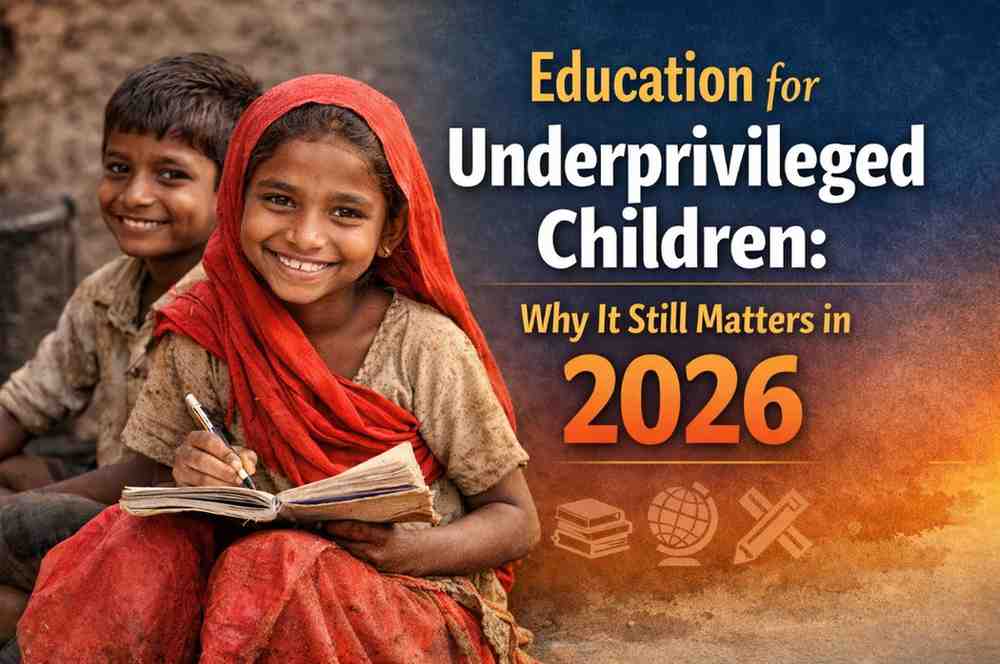
Over 244 million children worldwide are still out of school. Not because they lack ambition — but because poverty, geography, and systemic neglect have made education an inaccessible privilege rather than a guaranteed right.
This blog is for changemakers, donors, educators, volunteers, and anyone who believes that a child’s zip code should not determine their future. By the end of this post, you will understand exactly why education for underprivileged children remains one of the most urgent issues of our time — and what you can do about it.
Quick Insight: Every additional year of schooling increases an individual’s earnings by approximately 8-10%, according to the World Bank. Education is not charity. It is infrastructure
Table of Contents
1. The Current State of Education for Under privileged Children
Despite decades of global policy frameworks — from the UN’s Sustainable Development Goal 4 to India’s Right to Education Act — the ground reality for underprivileged children remains deeply troubling.
Key Data Points (2025-2026):
- 244 million children are out of school globally (UNESCO, 2023)
- In Sub-Saharan Africa, over 50% of children do not complete primary school
- In India, over 6 million children between ages 6-14 are still out of school (ASER Report)
- Girls from low-income families are 2x more likely to never enter a classroom
These are not abstract statistics. Each number represents a child whose future is being decided by circumstances beyond their control.
Because the post-pandemic recovery has been deeply unequal. Children from affluent homes recovered lost learning within 12-18 months. Children from underprivileged backgrounds — especially those without device access, stable homes, or educated parents — are still catching up, and many have dropped out permanently.
Education for underprivileged children is not a development agenda item. It is a human rights emergency.
2. Why Education Is Still Inaccessible for Millions
Understanding the barriers is essential before designing solutions.
2.1 Economic Barriers
Even in countries where schooling is nominally free, the indirect costs — uniforms, textbooks, transportation, and lost household income — make education financially impossible for the poorest families.
In many rural households, a child attending school means the family loses a daily labourer. This tradeoff is not a moral failure of parents. It is an economic trap.
Pro Tip: NGOs that provide stipends or conditional cash transfers to families see significantly higher school enrollment and retention rates.
2.2 Geographic Barriers
Over 70 million children live in conflict-affected zones or remote areas where schools simply do not exist within reasonable distance. Walking 5-7 kilometres daily to attend school is not a viable expectation for a 7-year-old.
2.3 Social and Cultural Barriers
In many communities, gender norms, caste discrimination, and disability stigma actively prevent certain children from accessing classrooms. Even when schools are available, social exclusion inside the classroom can force children out.
2.4 Quality Deficit
Access without quality is a false solution. In several low-income regions, children attend school for 5 years and still cannot read a basic sentence. This ‘learning poverty’ — a term coined by the World Bank — means that mere enrollment data masks a deeper crisis.
Reflective Question: If a child attends school but learns nothing, have we truly provided education? What does quality look like in under-resourced settings?
3. The Real Cost of Educational Neglect
When education for underprivileged children is denied or neglected, the consequences are not limited to the individual child. They ripple outward across entire communities and economies.
3.1 The Economic Cost
- Countries lose between 1-4% of GDP annually due to low educational attainment (World Bank)
- Low literacy rates reduce civic participation, increase reliance on welfare systems, and depress local markets
3.2 The Social Cost
- Children without education are significantly more vulnerable to child labour, early marriage, trafficking, and exploitation
- Boys without schooling are more likely to be recruited into criminal networks or armed groups
- Girls without education are more likely to face early pregnancy, domestic violence, and permanent economic dependence
3.3 The Generational Cost
This is perhaps the most devastating consequence: educational deprivation is inherited. Parents without education are less likely to enrol their own children, creating a cycle that spans generations. Breaking the poverty cycle through education is not a slogan — it is a documented, measurable outcome when interventions are sustained.
4. What Happens When We Get It Right — A Case Study
Background
In a cluster of villages in Rajasthan, India, over 60% of girls aged 10-14 had either never enrolled in school or dropped out before Class 5. Child marriage rates were among the highest in the district.
Challenge
Families prioritised agricultural work and household duties over formal education. The nearest government school was 4 kilometres away, with no female teachers — a significant deterrent for families with young girls.
Actions Taken
A local NGO (supported by Unessa Foundation-style interventions) introduced:
- A community learning centre within the village
- Female educators sourced from nearby urban centres
- Monthly stipends for families who maintained consistent attendance
- Basic literacy and numeracy curriculum aligned with national standards
Outcome
Within 18 months: enrollment rose from 34% to 81% among target-age girls. Child marriage incidents in the cluster dropped by 40%. Twelve girls from the first cohort passed Class 8 board exams — the first in their families to do so.
Lesson
Structural access, community trust, and financial incentives must work together. No single lever is sufficient. Organisations like Unessa Foundation understand that sustainable education for underprivileged children requires this multi-pronged approach.
5. The Role of NGOs in Closing the Education Gap
Government policy alone has consistently proven insufficient to close the education gap. This is where NGOs and civil society organisations become critical.
What effective child education NGOs do:
- Bridge the last mile — reaching children in areas where government infrastructure is absent or dysfunctional
- Provide supplementary learning — evening classes, digital learning tools, and remedial education
- Advocate at the policy level — pushing for budget allocations, curriculum reform, and accountability mechanisms
- Mobilise communities — shifting social norms around the value of education for all children
What to look for in a credible NGO:
- Transparent reporting on outcomes (not just outputs)
- Evidence-based programming
- Community participation in design and delivery
- Independent audits and third-party evaluations
Pro Tip: Before donating, ask the NGO for their learning outcome data — not just enrollment figures. Enrollment without learning is a vanity metric.
6. How You Can Make a Difference Today
You do not need to be a policymaker or a billionaire to impact education for underprivileged children. Here are concrete, actionable steps:
6.1 Donate Directly to Verified NGOs
Monthly giving — even small amounts — provides NGOs with the financial predictability needed to plan long-term programmes. Look for organisations with strong accountability frameworks, like Unessa Foundation.
6.2 Sponsor a Child's Education
Sponsorship models allow donors to fund a specific child’s schooling costs, including fees, materials, and nutrition support. This creates accountability and personal connection.
6.3 Volunteer Your Skills
Professionals — especially those in teaching, technology, finance, and healthcare — can contribute enormous value through structured volunteering. Many NGOs run formal volunteer programmes.
6.4 Raise Awareness in Your Network
Share verified data and credible stories. Social amplification drives fundraising, volunteer recruitment, and policy pressure. One well-crafted LinkedIn post from a professional can reach thousands.
6.5 Advocate at Your Workplace
Push for CSR partnerships with education-focused NGOs. Many companies have CSR budgets specifically earmarked for education but lack credible implementation partners.
Reflective Question: What is one specific action you can take this week — however small — that moves the needle for a child’s education?
👉Click here to know more about- Education for Underprivileged Children
7. FAQ — People Also Ask
1. Why is education important for underprivileged children?
Education is the single most reliable pathway out of generational poverty. It increases lifetime earnings, improves health outcomes, delays early marriage, and equips individuals to participate meaningfully in civic and economic life.
2. What are the main challenges in educating underprivileged children?
The primary barriers are economic (indirect costs), geographic (distance to schools), social (discrimination and cultural norms), and systemic (poor teaching quality and infrastructure).
3. How do NGOs help in providing education to poor children?
NGOs bridge gaps left by government systems — establishing community learning centres, training local teachers, providing learning materials, and mobilising families to prioritise education.
4. How can I support education for children in poverty?
You can donate to verified NGOs, sponsor a child directly, volunteer your professional skills, advocate within your organisation for CSR partnerships, or simply amplify credible awareness campaigns.
5.Does lack of education really affect children's futures permanently?
Yes. Research consistently shows that children who do not complete primary education face significantly lower lifetime earnings, higher vulnerability to exploitation, and are more likely to raise children who also remain uneducated — perpetuating intergenerational poverty.
8. Conclusion
Education for underprivileged children is not a feel-good cause. It is the most cost-effective, evidence-backed intervention we have for breaking cycles of poverty, reducing inequality, and building functional societies.
The data is unambiguous. The case studies are compelling. The solutions exist. What is lacking is collective will — and your participation changes that.
Whether you donate, volunteer, advocate, or simply share this post with your network, you are contributing to a world where a child’s background does not become their ceiling. Unessa Foundation is doing this work every day. Support them. Hold them accountable. And demand the same rigour from every organisation working in this space.