
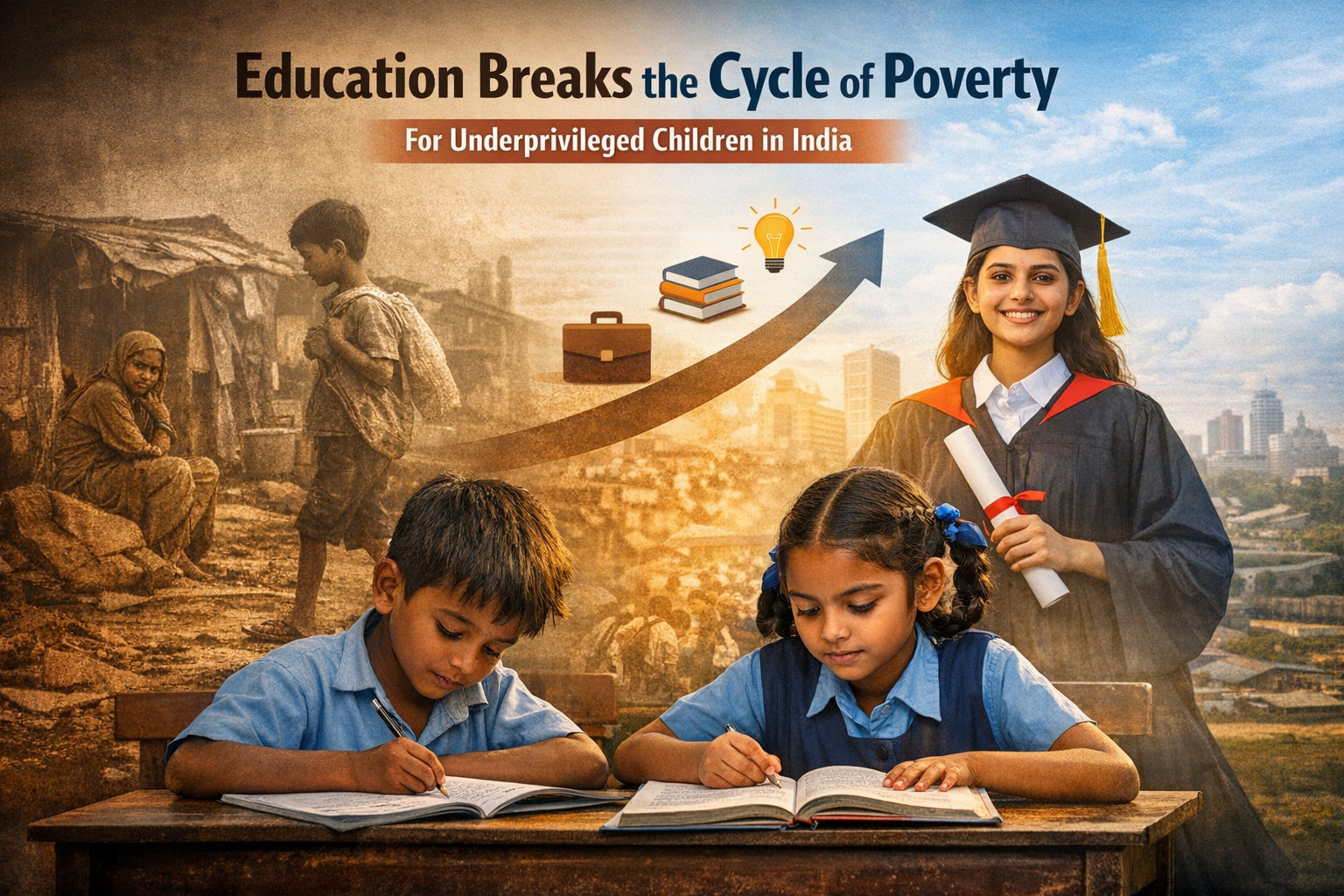

Poverty remains one of the most pressing challenges in India, affecting millions of families across rural and urban areas. For underprivileged children, poverty is not just a temporary condition—it often becomes a generational cycle that is difficult to escape. Limited access to quality education, lack of resources, and socio-economic barriers prevent children from achieving their full potential.
However, education has long been recognized as the most powerful tool to break this cycle. It empowers individuals with knowledge, skills, and opportunities that can transform not only their lives but also the future of their families and communities.
This blog explores how education plays a crucial role in breaking the cycle of poverty for underprivileged children in India, the challenges involved, and the solutions that can create lasting change.
Unessa Foundation is actively working to reduce poverty for underprivileged children in India through quality education initiatives.
Understanding the Cycle of Poverty
The cycle of poverty refers to a situation where poverty persists across generations due to lack of access to essential resources like education, healthcare, and employment opportunities.
Key Factors Contributing to the Cycle
- Lack of access to quality education
- Poor nutrition and health
- Child labor
- Limited employment opportunities
- Social inequality and discrimination
For underprivileged children, these challenges often begin at birth and continue throughout their lives unless an intervention—like education—breaks the pattern.
Why Education is the Key to Breaking Poverty
Education is not just about literacy; it is about empowerment, awareness, and opportunity. It provides children with the tools they need to improve their circumstances and build a better future.
1. Education Improves Employment Opportunities
Children who receive proper education are more likely to secure stable and well-paying jobs. This helps them move out of poverty and support their families.
2. Enhances Critical Thinking and Decision-Making
Education enables children to make informed decisions about their lives, including health, career, and finances.
3. Promotes Social Mobility
Education allows individuals to rise above their socio-economic background and achieve a better standard of living.
4. Reduces Child Labor
When children are in school, they are less likely to be involved in labor, which often traps families in poverty.
The Current State of Education in India
India has made significant progress in improving access to education through initiatives like the Right to Education Act. However, many challenges remain, especially for underprivileged children.
Major Challenges
- Lack of infrastructure in rural schools
- Shortage of trained teachers
- High dropout rates
- Gender inequality
- Financial constraints
Despite these challenges, education continues to be a powerful force for change.
Barriers Faced by Underprivileged Children
1. Financial Constraints
Many families cannot afford school fees, uniforms, books, or transportation.
2. Child Labor
Children are often forced to work to support their families, leaving no time for education.
3. Gender Discrimination
Girls are more likely to be denied education due to societal norms.
4. Lack of Awareness
Parents may not understand the importance of education or its long-term benefits.
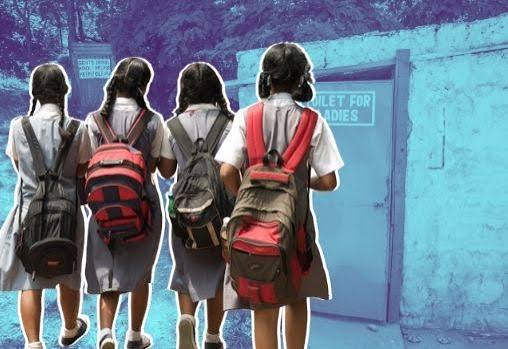
5. Poor School Infrastructure
Inadequate facilities, lack of clean water, and unsafe environments discourage attendance.
How Education Transforms Lives
1. Breaking Generational Poverty
Educated individuals are more likely to secure better jobs, which improves their family’s economic condition and prevents future generations from falling into poverty.
2. Empowering Girls
Education empowers girls to become independent, delay early marriages, and contribute to the economy.
3. Improving Health and Hygiene
Educated individuals are more aware of health practices, leading to healthier families and communities.
4. Encouraging Entrepreneurship
Education fosters innovation and entrepreneurial skills, enabling individuals to create their own opportunities.
Role of Government and Policies
The Indian government has launched several initiatives to promote education among underprivileged children:
1. Right to Education (RTE) Act
Ensures free and compulsory education for children aged 6 to 14 years.
2. Mid-Day Meal Scheme
Encourages school attendance by providing nutritious meals.
3. Sarva Shiksha Abhiyan
Focuses on universalizing elementary education.
4. Beti Bachao Beti Padhao
Promotes education for girls and addresses gender discrimination.
These programs have significantly improved enrollment rates, but more efforts are needed to ensure quality education.
Role of NGOs and Social Organizations
Non-governmental organizations play a crucial role in bridging the education gap.
Key Contributions
- Providing free education and learning materials
- Offering scholarships
- Conducting awareness campaigns
- Supporting digital education initiatives
Organizations working for underprivileged children help reach communities that government programs may not fully cover.
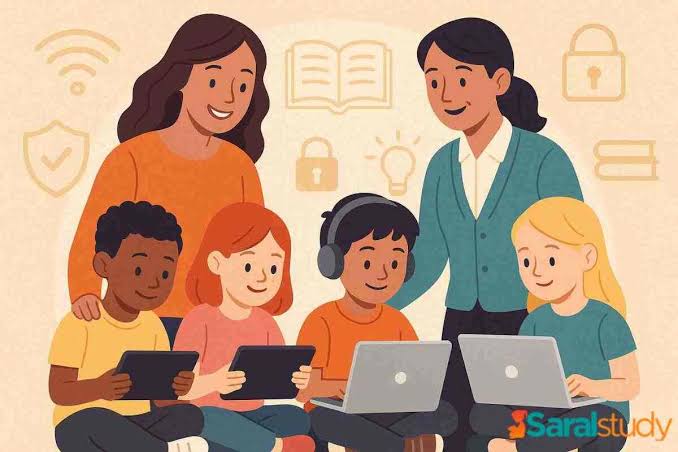
Importance of Digital Education
Technology has opened new avenues for learning, especially for underprivileged children.
According to UNESCO, education is one of the most effective ways to reduce poverty globally and improve living standards.
Benefits of Digital Education
- Access to online resources and courses
- Interactive and engaging learning methods
- Flexibility in learning pace
- Bridging rural-urban education gaps
Community Involvement in Education
Communities play a vital role in ensuring children attend school and continue their education.
Ways Communities Can Help
- Encouraging parents to send children to school
- Preventing child labor
- Supporting local schools
- Creating awareness about education
Long-Term Impact of Education on Society
Education does not just benefit individuals—it transforms entire societies.
1. Economic Growth
An educated workforce contributes to national development and economic stability.
2. Reduced Crime Rates
Education reduces crime by providing better opportunities.
3. Gender Equality
Educated societies are more inclusive and equitable.
4. Sustainable Development
Education promotes awareness about environmental and social issues.
Solutions to Improve Education Access
To break the cycle of poverty, India must focus on improving education access and quality.
1. Strengthening School Infrastructure
Better facilities can improve attendance and learning outcomes.
2. Financial Support for Families
Scholarships and incentives can reduce the financial burden.
3. Promoting Girl Education
Special programs should encourage girls to continue schooling.
4. Teacher Training
Well-trained teachers can significantly improve education quality.
5. Expanding Digital Access
Providing internet and devices to rural areas can bridge the gap.
Conclusion
Education is the most powerful tool to break the cycle of poverty for underprivileged children in India. It not only provides knowledge but also opens doors to opportunities, empowerment, and a better future.
While significant progress has been made, challenges still exist. It requires collective efforts from the government, NGOs, communities, and individuals to ensure that every child has access to quality education.
By investing in education, India can create a brighter, more equitable future where every child has the opportunity to succeed—regardless of their background.
Frequently Asked Questions (FAQs)
How does education help reduce poverty in India?
Education provides skills and knowledge that improve employment opportunities, leading to higher income and better living standards.
Why do underprivileged children drop out of school?
Common reasons include financial constraints, child labor, lack of awareness, and poor school infrastructure.
What role does the government play in promoting education?
The government implements policies like free education, mid-day meals, and scholarship programs to increase school enrollment and retention.
How can NGOs help in improving education?
NGOs provide free education, resources, scholarships, and awareness programs for underprivileged communities.
Why is girl education important in breaking poverty?
Educating girls leads to better employment, delayed marriages, improved family health, and overall societal development.
What are the challenges of digital education in India?
Limited internet access, lack of devices, and digital literacy issues are major challenges.
How can individuals contribute to this cause?
Individuals can volunteer, donate, sponsor a child’s education, or spread awareness about the importance of education.
What is the long-term impact of educating underprivileged children?
It leads to economic growth, reduced inequality, improved health, and sustainable development.