

Why Out-of-School Youth Education Matters
Out of school youth education focuses on providing alternative learning pathways outside traditional schooling. It prioritizes:
- Practical skills
- Flexible schedules
- Immediate employability
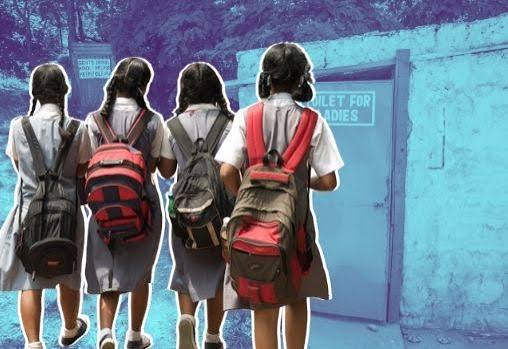
In India, dropout rates are still significant in economically weaker sections. Without intervention, this leads to:
- Low income jobs
- Lack of career growth
- Social exclusion
In India, dropout rates remain a serious challenge among economically weaker communities. Without intervention, this leads to limited income opportunities and long-term financial instability.
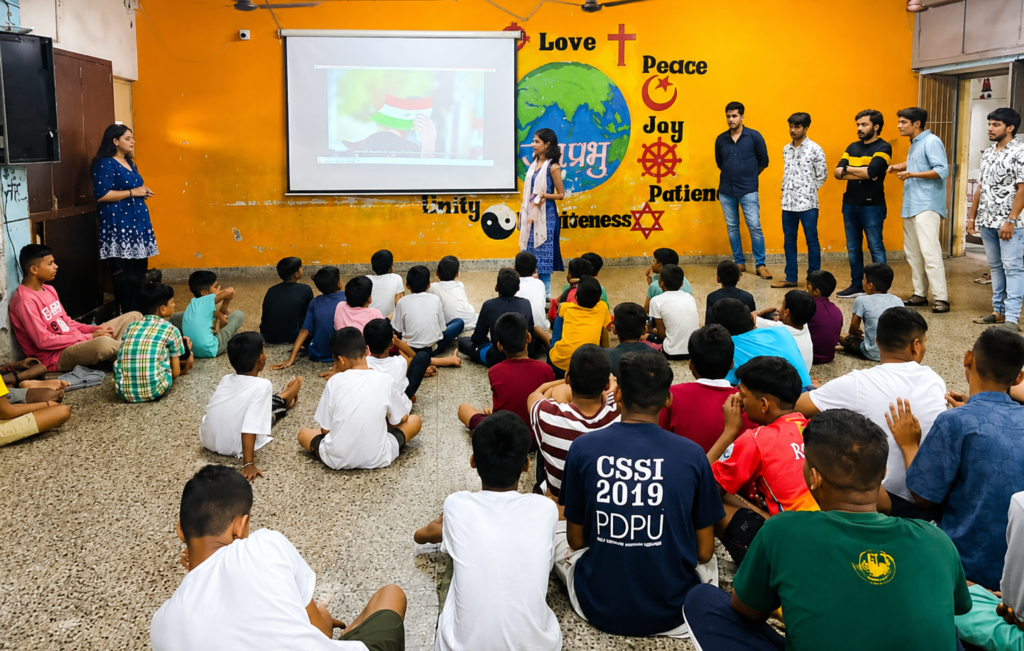
This is where organizations like UNESSA Foundation step in by ensuring access to education and structured learning support for children who have left school.
Case Study
- Background: A 16-year-old dropout from Gujarat
- Challenge: Could not afford schooling
- Action: Joined a local NGO skill program
- Outcome: Became a certified electrician earning ₹15,000/month
- Lesson: Skills can replace degrees when guided properly.
Pro Tips
- Focus on earning skills, not just education completion
- Choose programs aligned with local job demand
Skill Development: The Fastest Route to Employment
Skill development is the backbone of education for school dropouts. It equips individuals with practical abilities that are directly linked to job opportunities.
Programs supported by NGOs like UNESSA Foundation often include:
- Digital literacy
- Trade skills (electrician, tailoring)
- Communication skills
Case Study
- Challenge: Youth unemployment in rural India
- Action: Skill training center setup
- Outcome: 60% placement rate within 6 months
Pro Tips
- Avoid outdated skills; choose market-relevant skills
- Combine technical + communication skills
Second Chance Education Programs
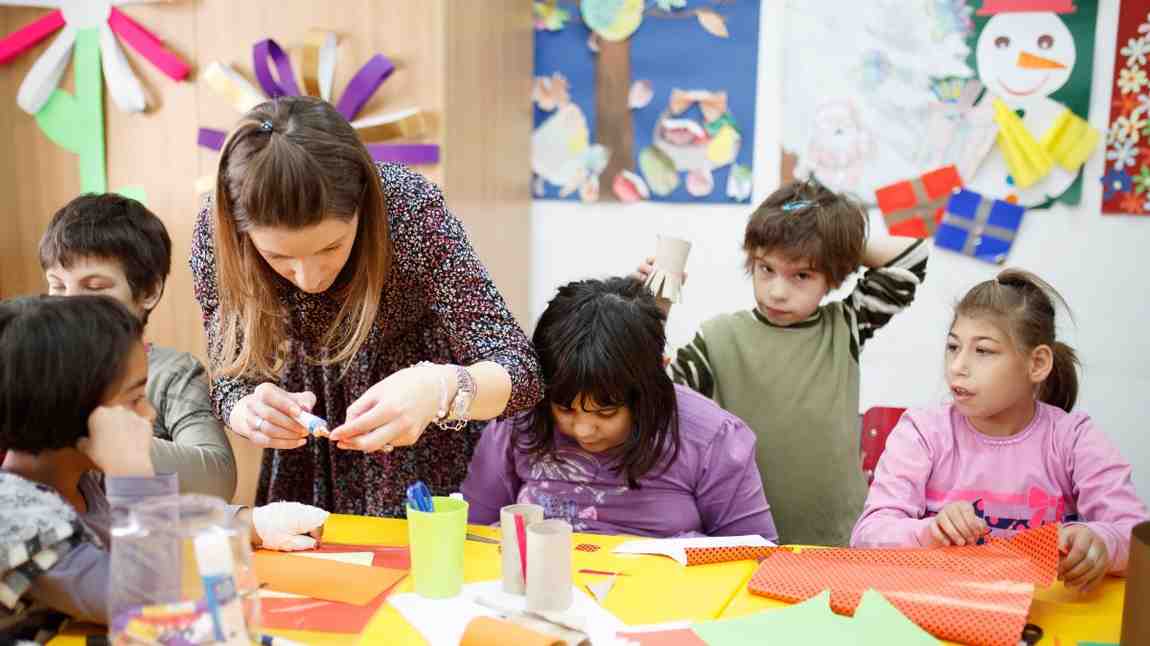
Second chance education programs provide structured opportunities for dropouts to:
- Resume academic learning and rebuild their educational foundation
- Complete certifications that improve employability
- Re-enter formal education systems through flexible pathways
These programs are designed to be flexible and inclusive, allowing learners to study at their own pace while managing work or personal responsibilities.
Organizations like UNESSA Foundation actively promote these opportunities by:
- Guiding students toward the right programs
- Providing mentorship and support
- Encouraging continuity in learning
👉 Key Insight: Second chance education ensures that a single setback does not permanently limit a person’s future.
Case Study
- Background: A student forced to drop out due to family pressure
- Action: Joined an open schooling program with NGO guidance
- Outcome: Completed secondary education and pursued higher studies
Pro Tips
- Always verify the credibility of certification programs
- Choose flexible learning options
Digital Learning Opportunities
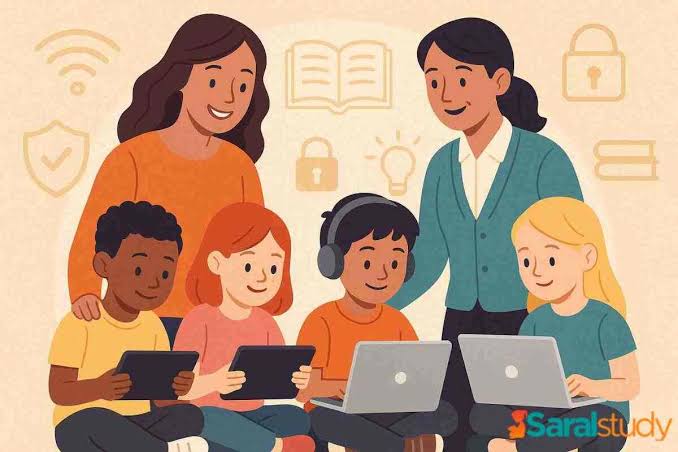
Digital platforms have transformed out of school youth education by making learning accessible anytime, anywhere.
Learners can now access:
- Free online courses
- Certification programs
- Skill-based training
Structured platforms like Gururo provide practice-oriented learning, especially useful for those preparing for certifications and building job-ready skills.
Case Study
- Action: A dropout learned digital marketing through online platforms
- Outcome: Started freelancing within 3 months
Pro Tips
- Focus on practice-based learning
- Build a portfolio while learning
NGO-Led Education Initiatives
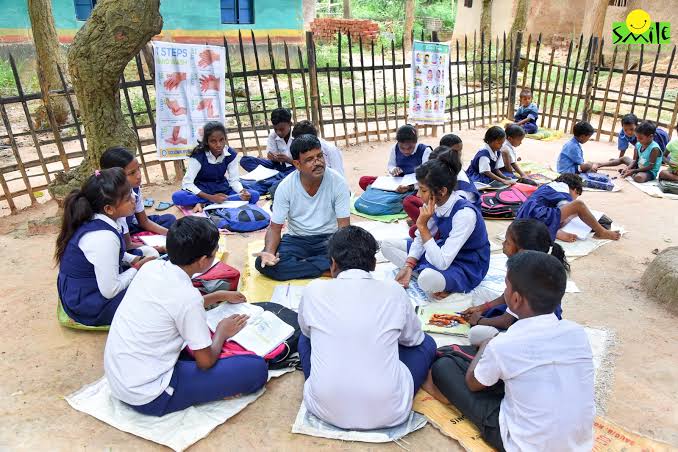
NGOs play a critical role in bridging the education gap.
UNESSA Foundation focuses on:
- Providing access to education
- Running skill development programs
- Creating awareness in underserved communities
- Offering mentorship and long-term support
Case Study
- Challenge: Low literacy rates in a community
- Action: Learning center established by UNESSA Foundation
- Outcome: Significant increase in literacy and student engagement
Pro Tips
- Focus on long-term impact, not short-term programs
- Measure outcomes consistently
Career Transformation Through Continuous Learning
One of the biggest myths around school dropouts is that career growth becomes limited. In reality, out of school youth education combined with continuous learning creates multiple income opportunities.
Unlike traditional education, continuous learning focuses on:
- Skill upgrades
- Industry-relevant knowledge
- Real-world application
This approach helps learners stay relevant and adapt to changing job markets.
Organizations like UNESSA Foundation promote long-term learning journeys, not just short-term training. They ensure that learners continue to grow even after completing a program.
👉 Key Insight: The goal is not just getting a job, but building a sustainable career through continuous improvement.
Stage
Learning Focus
Outcome
Beginner
Basic literacy + digital skills
Confidence building
Intermediate
Vocational or technical skills
Entry-level job
Advanced
Certification + specialization
Higher income roles
Expert
Continuous learning + mentoring
Career stability
Case Study
- Background: A school dropout working as a daily wage laborer
- Challenge: No stable income
- Action: Joined a structured skill + digital learning program supported by UNESSA Foundation
- Outcome: Transitioned into a full-time technician role with stable income
- Lesson: Learning doesn’t stop at employment — it evolves into career growth.
Pro Tips
- Never stop upgrading your skills
- Focus on career progression, not just job placement
Key Challenges in Out-of-School Youth Education
While out of school youth education offers immense benefits, several challenges limit its impact:
- Lack of awareness about learning programs
- Financial barriers
- Social stigma around dropouts
- Limited access to digital tools
UNESSA Foundation addresses these challenges through community outreach and awareness campaigns, ensuring that education reaches those who need it the most.
Case Study
- Challenge: Students unaware of learning opportunities
- Action: Awareness drive conducted by UNESSA Foundation
- Outcome: Increase in enrollment in skill programs
Pro Tips
- Focus on awareness before implementation
- Address both financial and social barriers
Role of Technology in Expanding Learning Access
Technology is a major enabler of out of school youth education, making learning more accessible, flexible, and affordable than ever before.
Today, anyone with a smartphone can access:
- Online Courses: Learn anytime, anywhere without attending physical classes
- Skill Tutorials: Practical, step-by-step videos for real-world skills
- Certification Programs: Recognized credentials that improve job opportunities
Factor
Learning Focus
Outcome
Accessibility
High
Limited
Cost
Low/Free
Higher
Flexibility
Anytime learning
Fixed schedule
Practical Exposure
Moderate
High
Case Study
- Action: Learner used online resources + practice platforms
- Outcome: Gained certification and secured job
Pro Tips
- Combine online learning + practical application
- Avoid passive content consumption
How UNESSA Foundation Creates Long-Term Impact
Unlike short-term interventions, UNESSA Foundation focuses on sustainable education models that create long-lasting change rather than temporary relief. Instead of one-time support, the foundation builds a complete learning ecosystem that supports children at every stage of their journey — from basic education to career readiness.
Their approach is designed to address not just the lack of education, but also the root causes of school dropouts, such as poverty, lack of guidance, and limited access to opportunities.
1. Access to Basic Education
UNESSA Foundation ensures that underprivileged children have access to foundational learning, which is the first step toward long-term growth.
This includes:
- Providing learning materials like books and stationery
- Supporting school enrollment and re-enrollment
- Creating safe and accessible learning environments
By focusing on literacy and numeracy, the foundation helps children build confidence and develop the ability to continue learning independently.
👉 Why it matters: Without strong basics, advanced learning becomes difficult, leading to repeated dropouts.
2. Skill Development Programs
Beyond traditional education, UNESSA Foundation emphasizes skill-based learning, which directly improves employability.
These programs include:
- Vocational training (tailoring, electrician work, etc.)
- Digital skills (computer basics, online tools)
- Communication and life skills
The goal is to ensure that learners can start earning as early as possible, making education both practical and relevant.
👉 Key Insight: Skills reduce dependency and create financial independence.
3. Community Engagement
One of the biggest reasons education programs fail is lack of community support. UNESSA Foundation actively involves:
- Parents
- Local leaders
- Volunteers
This creates a supportive environment where education is valued and encouraged.
Activities include:
- Awareness campaigns
- Parent counseling sessions
- Community-driven learning initiatives
👉 Impact: When communities support education, dropout rates decrease significantly.
4. Continuous Mentorship and Guidance
Education does not end with training — guidance is equally important.
UNESSA Foundation provides ongoing mentorship to help learners:
- Make career decisions
- Stay motivated
- Overcome challenges
Mentorship ensures that students do not feel lost after completing a program and can navigate real-world challenges effectively.
👉 Long-Term Benefit: Mentored students are more likely to sustain careers and continue learning.
Case Study
- Challenge: Students dropping out due to lack of support
- Action: Holistic intervention by UNESSA Foundation
- Outcome: Improved retention and employment rates
Pro Tips
- Focus on long-term transformation, not short-term fixes
- Track outcomes regularly
Conclusion
Out of school youth education is no longer just an alternative — it is becoming the primary pathway for millions who cannot access traditional education.
This model offers:
- Flexibility
- Practical skills
- Faster career entry
With organizations like UNESSA Foundation working at the grassroots level, the gap between education and employment is slowly closing.
The real transformation happens when:
- Learning becomes continuous
- Skills become the focus
- Opportunities become accessible
👉 The question is not whether education is possible after dropout.
👉 The question is — how soon can you start again?
Frequently Asked Questions
What is out of school youth education?
It refers to alternative education systems designed for individuals outside formal schooling, focusing on skills and flexible learning.
Can school dropouts succeed in life?
Yes, with the right skills and opportunities, school dropouts can build successful careers.
How does UNESSA Foundation help school dropouts?
UNESSA Foundation provides education access, skill training, mentorship, and long-term support to help underprivileged youth rebuild their future.
What are the best programs for dropouts?
Vocational training, open schooling, NGO programs, and digital learning platforms.
Is online learning effective for dropouts?
Yes, especially when combined with practical application and certifications.