

Is EdTech Really Improving Education in India or Just Marketing?
EdTech has transformed the way students in India learn. From online classes and recorded lectures to AI-based doubt solving and mock tests, technology has become a major part of modern education. This is why the question Is EdTech Really Improving Education has become increasingly relevant in 2026.
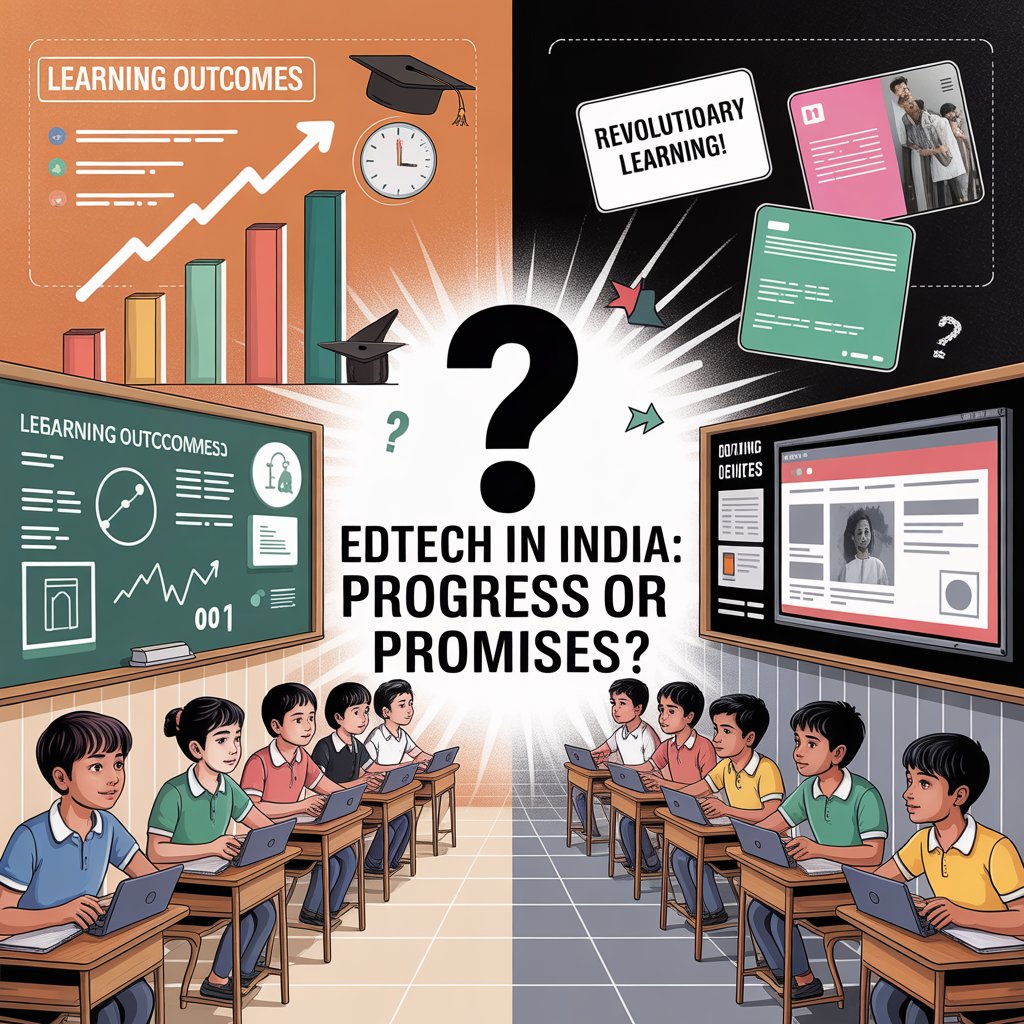
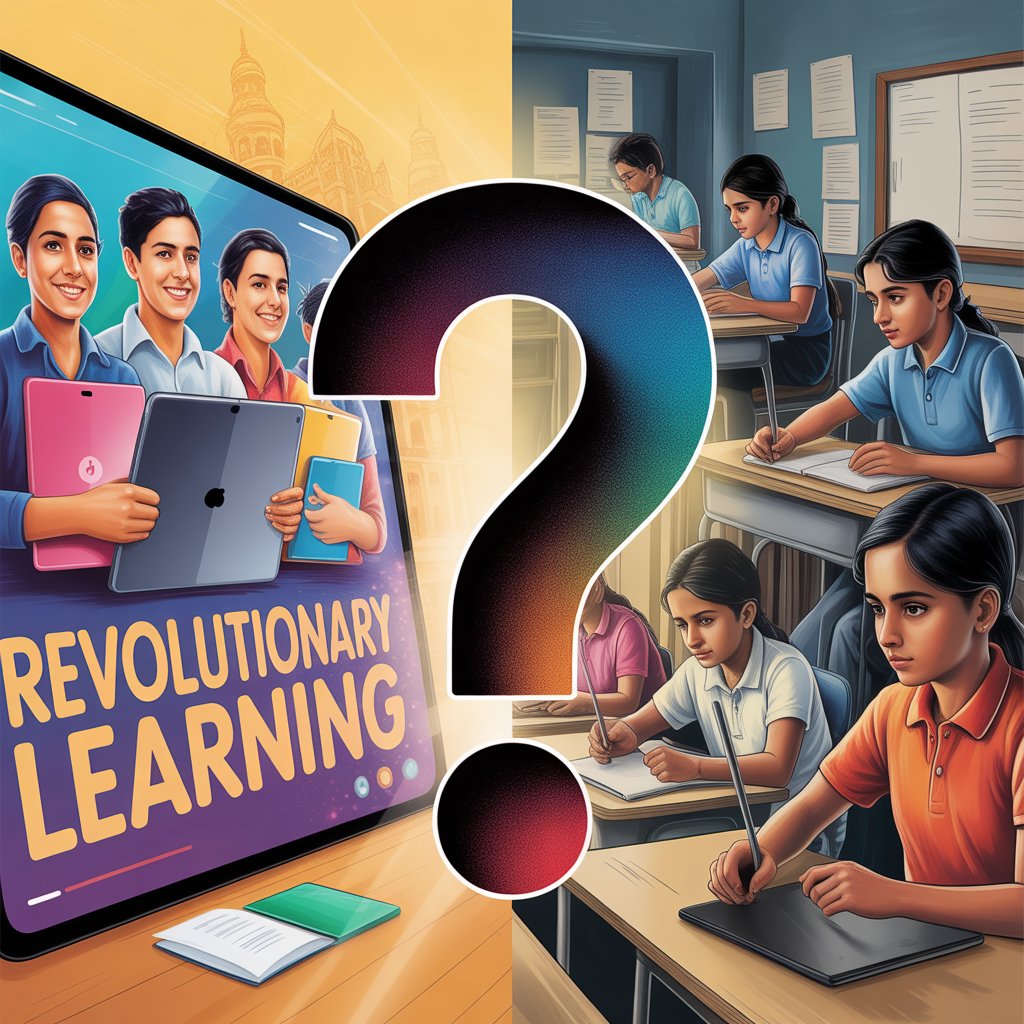
But an important question still remains: Is EdTech really improving education in India, or is much of it driven by aggressive marketing? In other words, Is EdTech Really Improving Education or simply increasing digital engagement?
The answer is not completely one-sided.
EdTech has definitely improved access, flexibility, and reach, especially for students in remote and underprivileged areas. At the same time, concerns about overpromising, sales-heavy strategies, and lack of measurable outcomes have also grown. Recent industry coverage shows that the sector is moving away from scale-first marketing toward outcome-led learning models.
This blog explores both sides of the reality and helps answer the important question: Is EdTech Really Improving Education.
How EdTech Has Improved Education in India
There is no doubt that EdTech has brought a major transformation to education in India. Over the past few years, digital learning platforms have made quality education more accessible, flexible, and affordable for students across different regions. This directly supports the idea that Is EdTech Really Improving Education is an important discussion in today’s learning environment.
One of the biggest advantages of EdTech is accessibility, which is one of the strongest reasons why many believe Is EdTech Really Improving Education can be answered positively.
Students today can learn from anywhere using:
- live online classes
- recorded video lectures
- mock tests
- instant doubt-solving
- AI-based learning tools
- personalized study plans
This has been especially helpful for students in tier-2, tier-3 cities and rural areas, where access to quality coaching institutes and experienced teachers may be limited. Many reports now highlight that the next phase of EdTech growth in India is coming from smaller towns and underserved regions.
For example, a student in a village can now prepare for competitive exams such as JEE, NEET, SSC, or banking exams without relocating to a metro city.
This has significantly reduced both cost and geographical barriers.
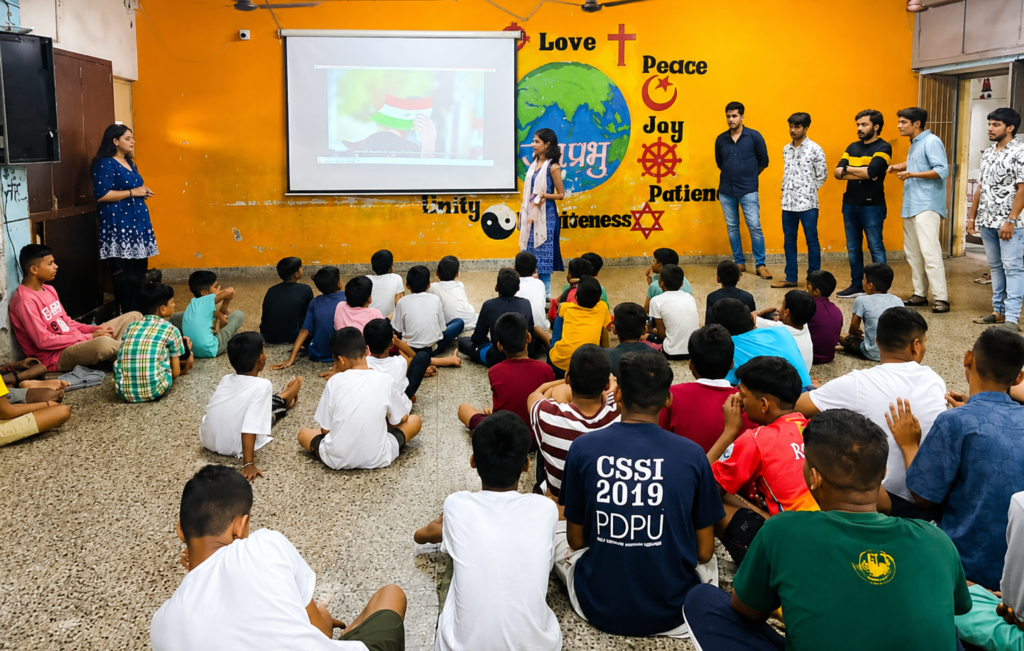
At Unessa Foundation, this is especially meaningful because technology can help underprivileged children access quality learning resources that may otherwise remain out of reach.
Another major improvement is personalized learning.
Unlike traditional one-size-fits-all classroom teaching, modern EdTech platforms can analyze a student’s learning pattern and suggest:
- weak topics
- revision plans
- targeted practice questions
- performance tracking
This makes learning more focused and efficient. The sector is increasingly moving toward outcome-based and adaptive learning systems rather than content-heavy models.
Insight:
EdTech has improved education by making quality learning more accessible and personalized.
Case Study:
A student from a small town uses online classes and AI-based mock tests to prepare for entrance exams. With regular progress reports and targeted revision, the student performs better than before.
This shows how technology can bridge educational gaps.
Lesson:
When used correctly, EdTech can make learning more inclusive, flexible, and outcome-driven.
👉 Click here to know about Will AI Replace Teachers in the Future? Truth Explained
Where Marketing Often Overtakes Learning
While EdTech has created real value, the sector has also faced criticism for aggressive and emotionally driven marketing. This concern adds another dimension to the question Is EdTech Really Improving Education, as many students and parents now look beyond advertisements and focus on actual learning outcomes.
In India, many platforms have often focused heavily on:
- fear-based ads
- rank and score promises
- celebrity endorsements
- emotional parent targeting
- unrealistic success stories
Community discussions and startup forums frequently criticize sales-heavy models that “sell dreams” more than outcomes.
This creates a gap between expectations and actual results.
For example, many students purchase expensive subscriptions expecting dramatic academic improvement, only to realize that content alone cannot replace discipline, mentoring, and proper study habits.
Insight:
Technology can support learning, but marketing cannot substitute real educational outcomes.
Is EdTech Improving Results or Just Engagement?
One of the biggest questions surrounding EdTech in India today is whether it is truly improving academic performance or simply increasing student engagement on digital platforms.
Many platforms track:
- hours watched
- videos completed
- app logins
- quiz attempts
But these numbers do not always reflect real understanding.
Experts now emphasize that the future of EdTech lies in measurable outcomes, not just activity dashboards.
A student may spend three hours on an app but still struggle in exams.
This is why the conversation in 2026 has shifted from “how many students use it” to “how many students actually improve.”
Case Study:
A student regularly attends online classes and completes quizzes but continues to score poorly because concepts are not being revised actively.
This shows that usage is not equal to learning.
Lesson:
Learning outcomes matter more than app activity.
The Role of Teachers Still Matters
Even with rapid growth in EdTech, the role of teachers remains central to education.
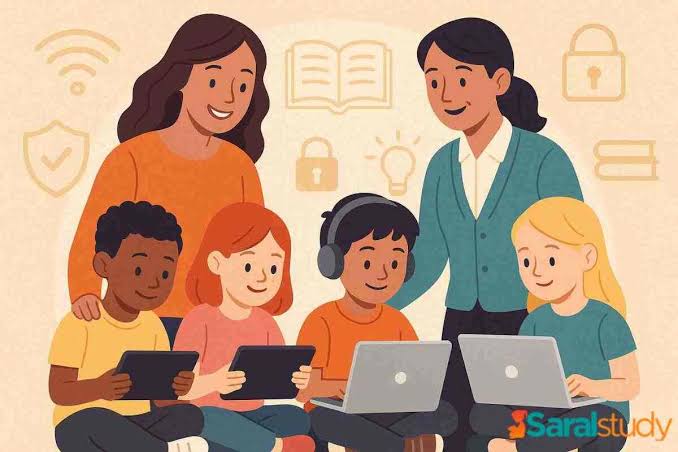
Technology can provide content, quizzes, and performance tracking, but it cannot fully replace the human elements that teachers bring into the learning process.
Teachers offer:
- concept clarity
- motivation
- discipline
- emotional support
- mentorship
- confidence building
These are areas where technology alone often falls short.
For example, an app may explain a concept multiple times, but it cannot always understand when a student is feeling stressed, confused, or demotivated.
A teacher, however, can observe body language, tone, and emotional signals, then adjust the teaching style accordingly.
This human connection is especially important for young learners and students from underprivileged backgrounds.
At Unessa Foundation, teachers do far more than teach lessons. They help children build confidence, stay motivated, and believe in their future.
Current EdTech trends in India also emphasize that teacher support and human oversight remain essential, even in AI-driven learning environments.
Rather than replacing teachers, technology is increasingly being used to reduce administrative tasks so teachers can focus more on mentoring and student growth.
Insight:
Technology can support learning, but teachers create understanding and confidence.
Case Study:
A teacher uses an EdTech dashboard to identify students who are weak in mathematics. Instead of reteaching the entire class, the teacher conducts a focused support session for those students.
This makes learning more effective.
Lesson:
The most successful education model is one where teachers and technology work together to improve outcomes.
The Real Truth
The real truth is that EdTech in India is neither just a success story nor just a marketing machine—it is a mix of both, and the difference lies in how the platform is used and what outcomes it delivers.
Over the past few years, India’s EdTech industry has gone through a major shift. Earlier, many platforms focused heavily on rapid growth, large enrollments, and strong advertising campaigns. Today, the conversation is changing.
Students, parents, and educators are now asking a much more important question:
Is this actually improving learning outcomes?
Recent trends in India’s EdTech sector show that the industry is moving away from scale-first models and shifting toward outcome-based learning, accountability, and long-term trust.
This means success is no longer measured only by:
- app downloads
- watch time
- course enrollments
- quiz attempts
Instead, the focus is moving toward:
- concept clarity
- academic improvement
- skill development
- career readiness
- confidence building
At Unessa Foundation, this truth is especially important because education should not just look modern—it should create real change in a child’s life.
For underprivileged children, access to technology can open doors, but only if it is supported by meaningful teaching, guidance, and measurable progress.
A flashy platform or strong marketing campaign may attract students, but it does not automatically ensure learning.
What truly matters is whether the student is:
- understanding concepts better
- improving exam performance
- building confidence
- developing practical skills
Insight:
The real value of EdTech lies in learning outcomes, not digital activity alone.
Case Study:
A student spends two hours daily on an EdTech app watching recorded lectures and solving quizzes. However, scores remain unchanged because there is no active revision or teacher feedback.
On the other hand, another student uses the same tool with teacher guidance and regular doubt-solving sessions, leading to noticeable academic improvement.
This shows that technology works best when it strengthens the learning process rather than just increasing screen time.
Recent education reports in 2026 strongly emphasize that proof now matters more than promises, with measurable outcomes becoming the key benchmark for EdTech platforms.
Lesson:
EdTech improves education only when it focuses on real student growth rather than just strong marketing and engagement numbers.
Conclusion
EdTech has undoubtedly changed the way students learn in India by making education more accessible, flexible, and technology-driven. However, its real value lies not in flashy marketing or app engagement numbers, but in how effectively it improves understanding and outcomes.
At Unessa Foundation, technology is seen as a tool to support learning, not replace the human connection that education requires. For underprivileged children especially, the right balance of digital resources and teacher guidance can create meaningful opportunities.
Final Thought:
EdTech can improve education when it focuses on learning, not just marketing. The future belongs to platforms that create real impact in students’ lives.
Frequently Asked Questions
Is EdTech useful for students in India?
Yes, especially for accessibility, flexibility, and exam preparation.
Can EdTech replace teachers?
No, teachers remain essential for guidance and mentorship.
What is the biggest challenge in EdTech?
The biggest challenge is ensuring real learning outcomes instead of just app engagement and marketing promises.