
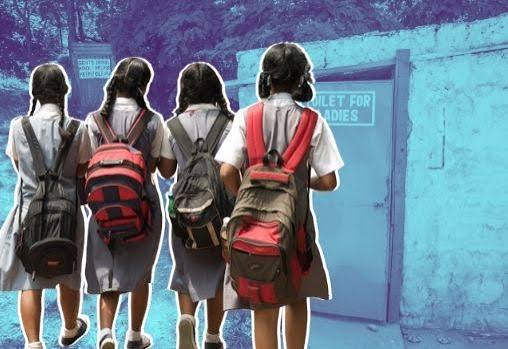

Education is one of the most powerful tools for breaking the cycle of poverty and creating equal opportunities. Yet, for millions of girls around the world, the journey to education is interrupted when they reach puberty. What should be a natural stage of growth often becomes the beginning of school absenteeism, declining academic performance, and, in many cases, permanent dropout. Factors such as limited access to menstrual hygiene products, inadequate sanitation facilities, social stigma, safety concerns, and financial challenges create barriers that prevent girls from continuing their education.
This issue is not limited to developing countries. Research from organizations such as UNICEF, UNESCO, the World Bank, and NITI Aayog shows that adolescent girls across different regions continue to face challenges that affect their school attendance and long-term educational outcomes. However, evidence also shows that these barriers can be overcome through targeted interventions by schools, governments, communities, and non-governmental organizations (NGOs).
In this article, we’ll explore why girls drop out of school after puberty, examine the latest facts and statistics, understand the root causes behind the problem, and discuss how NGOs can play a transformative role through menstrual hygiene support, awareness programs, improved sanitation, community engagement, and educational initiatives. Together, these solutions can help ensure that every girl has the opportunity to stay in school, complete her education, and build a brighter future.
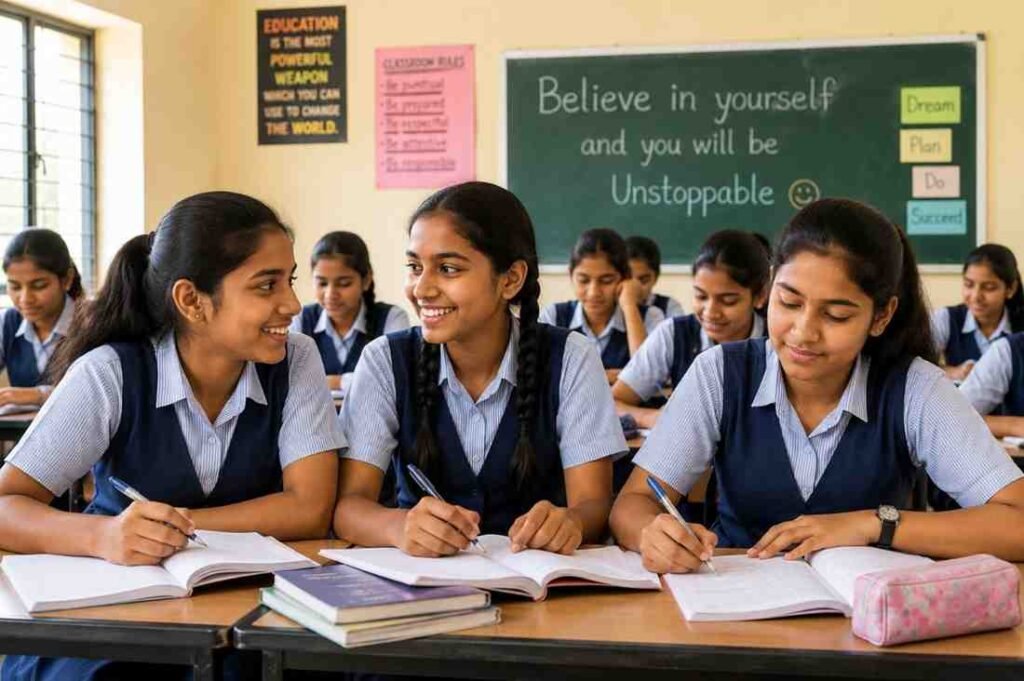
Why Girls Drop Out of School After Puberty and How NGOs Can Help
Across the world, millions of girls walk into puberty and walk out of the classroom. This is not a coincidence — it is a pattern repeated in villages, small towns, and even cities, driven by a mix of biology, stigma, poor infrastructure, and social pressure. Understanding why girls drop out of school after puberty is the first step toward fixing it, and NGOs have already shown that the problem is solvable with the right interventions.
This article looks at verified data from UNESCO, UNICEF, the World Bank, and India’s NITI Aayog, explains the real reasons behind this dropout crisis, and lays out practical, evidence-backed ways NGOs, schools, and communities can respond.

The Scale of the Problem
The numbers are stark. Globally, an estimated 500 million women and girls experience period poverty — the lack of access to menstrual products and safe sanitation for menstrual hygiene management, according to World Bank research.
The consequences show up directly in classrooms and dropout registers:
| Region / Country | Reported Impact | Source |
|---|---|---|
| India | Roughly 1 in 5 girls drop out of school after their first period; in some regions such as Maharashtra, this rises closer to 4 in 5. | Global Citizen, citing Indian field studies |
| India | Over 20% of girls stop attending school completely once they reach puberty. | ReliefWeb / Plan International |
| India | 1 in 4 girls misses school every month during menstruation. | UNICEF-linked research |
| Sub-Saharan Africa | 1 in 10 girls misses school during her menstrual cycle — as much as 20% of a school year. | UNESCO |
| Kenya | Girls lose an average of 4 school days a month — around 165 learning days over 4 years of secondary school. | UNESCO / World Bank |
| Ethiopia | 43–51% of girls miss classes during menstruation. | Public health field studies |
| United Kingdom | 64% of girls aged 14–21 missed part or all of a school day due to periods. | Plan International |
Nearly 23 million girls drop out of school each year after reaching puberty, and those who remain enrolled can still miss up to five days of school every month while trying to keep up with their studies. A landmark UNICEF study also found that only 13% of Indian girls knew about menstruation before experiencing their first period, which turns a normal biological event into a confusing and frightening one.
On the awareness side, a 2025 study of secondary school adolescents found that only about 34% felt well informed about puberty and just 31% felt well informed about menstruation — showing this knowledge gap is not limited to any one country.
India’s own education data adds important context. The national secondary-level dropout rate stands at 11.5%, dramatically higher than the primary-level dropout rate of just 0.3%, according to NITI Aayog’s 2026 report on the school education system. This is exactly the stage — early adolescence — when puberty begins, and girls are disproportionately affected by dropout during this transition. The report also notes that more than one-third of Indian schools have fewer than 50 students, a sign of the infrastructure gaps that make it harder to provide safe, well-equipped facilities — including girls’ toilets, water access, and privacy.
Why Girls Drop Out of School After Puberty: The Real Reasons
Dropout after puberty is rarely caused by a single factor. It is usually a combination of the following:
1. Period Poverty and Lack of Sanitary Products
Millions of girls cannot afford, or cannot access, sanitary pads or hygienic alternatives. A UNESCO report estimates that one in ten girls in Sub-Saharan Africa misses school during her menstrual cycle, which can add up to as much as twenty percent of a school year. Without reliable products, girls often choose to stay home rather than risk embarrassment.
2. Poor School Sanitation and Water Facilities
Even where products are available, many schools lack private, clean toilets with water and a place to dispose of used menstrual products. Girls frequently lack access to clean, safe, private toilets, and the absence of clean water near these toilets means there is nowhere to clean up or discreetly dispose of menstrual products.
3. Silence, Stigma, and Lack of Education
Menstruation is still treated as a taboo subject in many households and schools. Around 60% of surveyed girls said they missed school because of their period, 79% reported low confidence around it, and nearly half felt humiliated by the restrictions placed on them once they started menstruating. When girls enter puberty without accurate information, fear and shame often replace simple biological understanding.
4. Teasing and Social Embarrassment
Peer ridicule is a recurring theme in field interviews. Girls describe classmates mocking them or making them feel singled out during their periods, which pushes many to simply stop attending rather than face repeated embarrassment.
5. Safety Concerns and Early Marriage Pressure
Once a girl visibly matures, families in conservative communities often become more anxious about her safety while travelling to and from school, or begin considering early marriage — both of which push girls out of the education system at exactly the age they need it most.
6. Structural Gaps in the Education System
Beyond menstruation itself, the broader school system often fails girls at this transition point. India’s school system has been described as a “leaky pipeline,” where the number of schools drops sharply from 7.3 lakh at the primary level to just 1.64 lakh at the higher secondary level, and only 5.4% of schools offer a continuous journey from Grade 1 to Grade 12. This forces many students — girls especially — to change schools multiple times, creating natural drop-off points that align with the onset of puberty.
Consequences of Dropping Out After Puberty
The effects of leaving school at this stage go far beyond missed lessons:
- Reduced lifetime earning potential — girls without secondary education have significantly fewer employment options later in life.
- Higher risk of early marriage and early pregnancy — dropout and early marriage often reinforce each other.
- Cycle of poverty continues — uneducated mothers are statistically more likely to have children who also leave school early.
- Loss of decision-making power — education is closely linked to a woman’s voice within her household and community.
- Reduced economic growth for entire regions — countries with low female secondary enrolment see slower gains in health, income, and social indicators.

How NGOs Can Help: A Practical Framework
NGOs sit in a unique position — closer to communities than government programs, and more flexible than school administrations. Below is a structured approach, organized around the same points in the dropout cycle shown above.
1. Ensure Access to Menstrual Products
Programs that supply free or subsidized sanitary pads directly through schools have measurable results. A government-led, state-wide programme in India that provided free sanitary pads in schools significantly reduced dropout rates among adolescent girls, primarily by increasing school attendance. Research on this programme found the biggest effect among seventh-grade girls who were just entering puberty, with larger benefits in rural, public, and historically disadvantaged-caste schools.
Tip for NGOs: Don’t stop at one-time donations. Consistent, regular provision of free sanitary pads — not just a one-time distribution — is what sustains attendance over time.
2. Build or Upgrade School Sanitation Facilities
NGOs can fund and construct girl-friendly toilets with running water, locks, and disposal bins. Even small upgrades — a working door lock, a private washing area — measurably increase comfort and attendance.
Example: WASH-focused NGOs in Sub-Saharan Africa and South Asia have partnered with local governments to retrofit school toilets specifically with menstrual hygiene needs in mind, rather than treating “a toilet” as a one-size-fits-all fix.
3. Deliver Puberty and Menstrual Health Education — Early and Often
Awareness sessions for girls (and boys) before puberty begins can remove much of the fear and confusion. Since studies show fewer than four in ten adolescents feel genuinely informed about puberty or menstruation, early, repeated education — not a single one-off session — is essential.
Tip for NGOs: Include boys in these sessions. Reducing teasing requires educating the whole classroom, not just the girls affected.
4. Train Teachers and Set Up Peer Support Systems
Teachers are often the first adults a girl interacts with outside her family. NGOs can train female teachers to act as approachable mentors, and set up peer “buddy” systems so girls support each other through the transition rather than facing it alone.
5. Engage Parents and Community Leaders
Dropout decisions are rarely made by the girl alone — they usually involve parents, and sometimes wider community opinion. NGOs that run parent-awareness meetings, work with local leaders, and involve mothers as advocates see stronger, longer-lasting results than programs that work with schools in isolation.
6. Provide Scholarships, Transport, and Safety Support
Where safety fears or transport costs are the main barrier, NGOs can step in with bicycle programs, safe transport arrangements, or scholarships that offset the cost pressure that often accompanies early marriage decisions.
7. Track Attendance and Measure Impact
NGOs should treat attendance data the same way health programs treat clinical outcomes — measure it before and after an intervention, and adjust the program based on what the data shows.
Before-and-After: What Effective NGO Intervention Looks Like
| Area | Without NGO Intervention | With Structured NGO Intervention |
|---|---|---|
| Menstrual products | Inconsistent or unaffordable | Freely and regularly available in school |
| Toilets | Shared, unsafe, or non-functional | Private, clean, with water and disposal facilities |
| Awareness | Taboo, rarely discussed | Open, age-appropriate education for girls and boys |
| Peer environment | Teasing, embarrassment | Peer support systems, informed classmates |
| Parental attitude | Anxiety, pressure toward early marriage | Informed parents, community-level support |
| Attendance | Frequent absenteeism, eventual dropout | Sustained attendance through puberty and beyond |
Frequently Asked Questions (FAQs)
Q1: At what age do most girls drop out of school due to puberty?
Most dropout linked to puberty occurs around ages 11–15, coinciding with the transition from primary to secondary school — the same stage where India’s secondary dropout rate jumps to 11.5%, compared to just 0.3% at the primary level.
Q2: Is period poverty the only reason girls drop out after puberty?
No. While period poverty is a major driver, poor sanitation, social stigma, safety concerns, and early marriage pressure all combine to push girls out of school.
Q3: Do free sanitary pad programs actually work?
Yes. Research on a state-wide free sanitary pad programme in India found it significantly reduced dropout rates and increased attendance, with the largest effect among girls entering seventh grade.
Q4: How can NGOs measure the success of a girls' education program?
By tracking attendance rates before and after interventions, monitoring transition rates from primary to secondary school, and following up with girls who were previously at risk of dropping out.
Q5: Why should boys be included in menstrual health education?
Because teasing and stigma from male peers are frequently cited as reasons girls stop attending school during their periods. Educating boys reduces this stigma at its source.
Q6: What role does government data like NITI Aayog's report play in NGO planning?
Reports such as NITI Aayog’s 2026 school education analysis help NGOs identify which states or districts have the sharpest dropout rates and weakest infrastructure, allowing resources to be targeted where they are needed most.
Conclusion
The link between puberty and school dropout is well documented, consistent across countries, and — most importantly — reversible. When girls have access to menstrual products, private and clean toilets, accurate information, supportive teachers, and informed families, attendance improves and dropout rates fall. NGOs that combine several of these interventions, rather than relying on a single fix, see the strongest and most lasting results.
The data is clear: this is not an unsolvable problem. It is a resource and awareness gap — one that NGOs, schools, and communities working together have already proven they can close.