
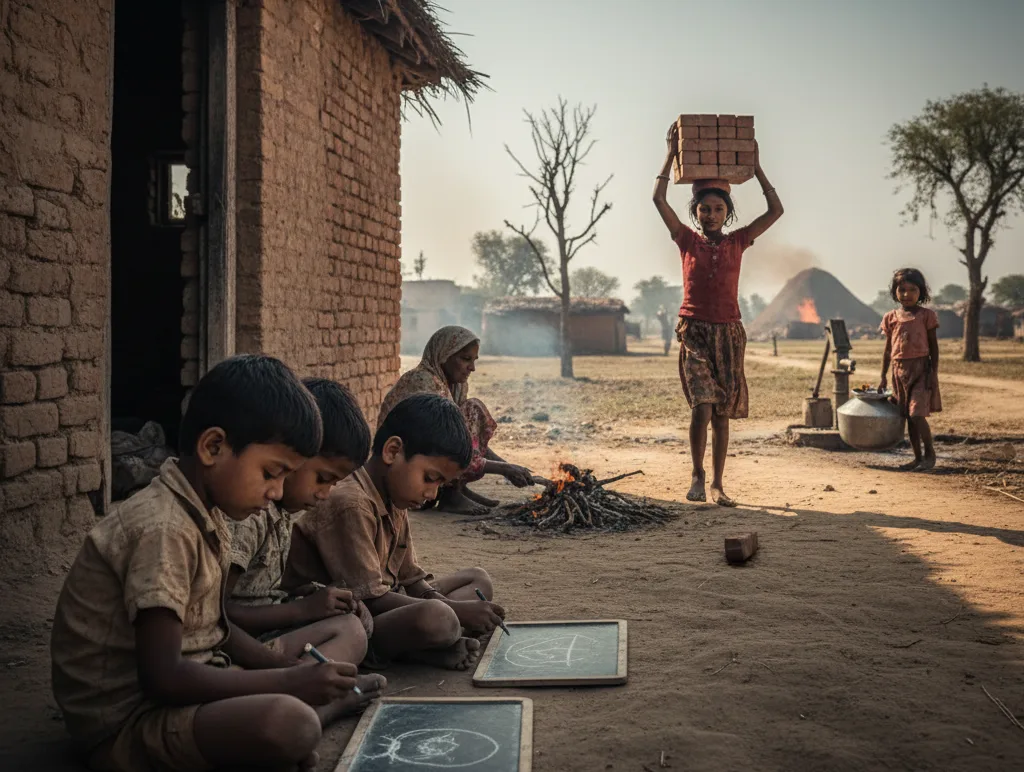

“You educate a man; you educate a man. You educate a woman; you educate a generation.” – Brigham Young
Sipping my morning tea, this quote hit me like a thunderbolt. The lack of education for poor children in India isn’t just about missing school; it’s about stolen dignity, lost opportunities, and broken dreams. I think of 12-year-old Priya from Jharkhand, working in a brick kiln instead of a classroom. Her story, and millions like it, is a wake-up call. As an ordinary reader, I dove into why this crisis persists and discovered how we can all be part of the solution.
Why the Lack of Education for Poor Children in India Matters
Education is a fundamental right, not a privilege. It’s the key to breaking poverty cycles, empowering girls, and boosting economies. The World Bank states that every additional year of schooling increases income by 10%. Yet, millions of Indian children are denied this right due to systemic barriers.
Shocking Stats on India’s Education Crisis
- 8.1 million children aged 6–13 are out of school (UNICEF, 2024).
- 30% of rural girls never complete primary school (ASER 2024).
- Nearly 50% of government schools lack functional toilets.
These numbers chilled me. Then I read about Sunita, a 13-year-old from Uttar Pradesh, whose father prioritizes dowries over diplomas. It made me angry and determined to act.
9 Eye-Opening Truths About the Child Education Crisis in India
Here are nine root causes that stunned me, drawn from research and real stories.
1. Poverty Traps Families in a Vicious Cycle
Families rely on children’s ₹100/day earnings, making school an unaffordable luxury. Parents want education for their kids, but can’t sacrifice survival.
2. Girls Face Steeper Barriers
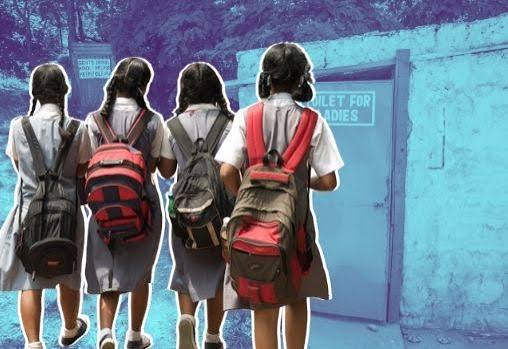
Lack of toilets and long school commutes force girls to drop out. In some communities, educating girls is seen as a “waste” due to early marriage norms.
3. Crumbling School Infrastructure
Many schools lack roofs, blackboards, or bathrooms. Without basic facilities, dropout rates soar, especially for girls.
4. Absent or Untrained Teachers
Over 25% of government school teachers are absent daily (ASER 2024). Untrained teachers struggle to engage students, leaving kids discouraged.
5. Language Barriers Hinder Learning
Children speaking tribal or regional dialects are taught in Hindi or English, creating confusion and frustration.
6. Child Labor Steals Futures
With 10.1 million children in labor (ILO, 2025), work replaces school, trapping kids in cycles of illiteracy and poverty.
7. Caste Discrimination Persists
Lower-caste children face bias in schools, from seating arrangements to teacher neglect. In 2025, this injustice still lingers.
8. Malnutrition Impairs Learning
Empty stomachs hinder focus. Malnutrition affects 38% of Indian children, robbing them of cognitive potential (NFHS-5).
9. Digital Divide Excludes Millions
Only 11% of poor households had internet access during COVID (Oxfam, 2024). Online learning left millions behind.
Beyond the Basics: Innovative Solutions
The lack of education for poor children in India is tied to broader issues like sanitation and health. At a local education panel, I learned that providing menstrual hygiene products increases girls’ school attendance by 15%. NGOs are stepping up, distributing sanitary pads and hosting workshops.
Bridging Language Gaps
I volunteer with a program creating bilingual education modules in local dialects. Seeing kids light up when they understand science in their mother tongue is pure magic.
Technology as a Game-Changer
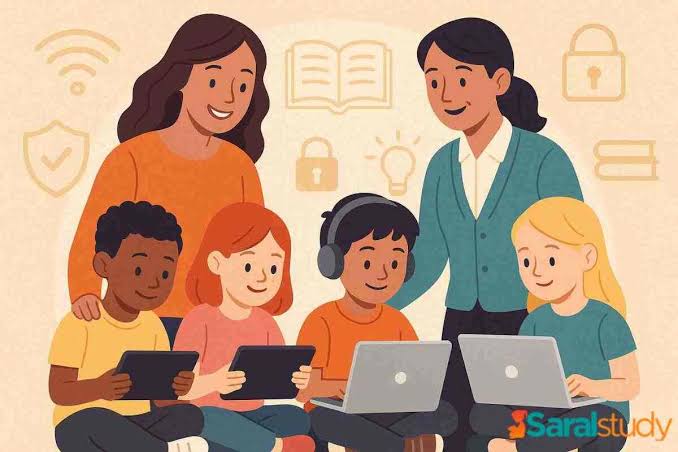
Offline tablet-based learning programs are revolutionizing education in remote areas. My friend Ananya donates a tablet yearly to a rural learning center and gets videos of kids using it, heartwarming proof of impact.
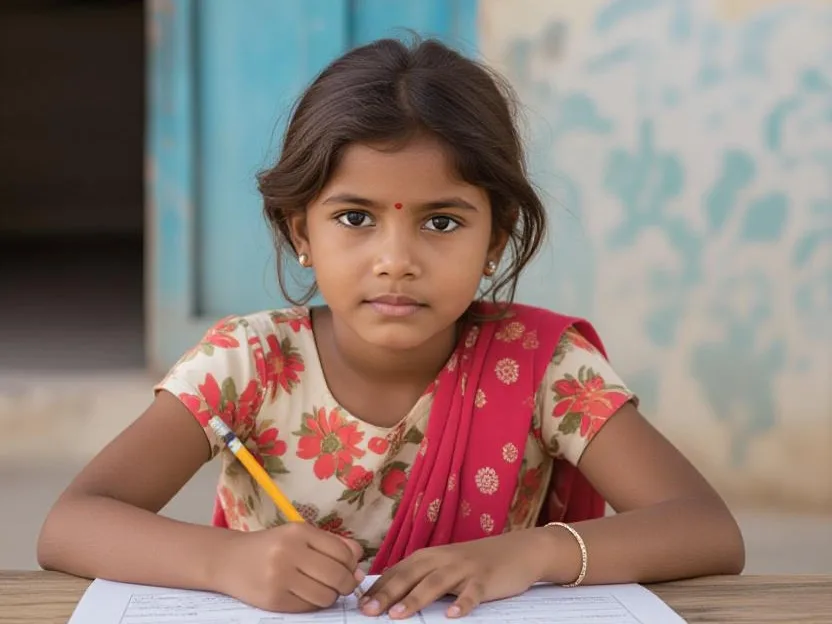
9 Ways You Can Spark Change Today
You don’t need to be rich or an activist to make a difference. Here’s how to act now.
1. Support Trusted NGOs Like Unessa Foundation
Unessa Foundation tackles education barriers with transparency. Donate to fund books or teacher training. Start here.
2. Sponsor a Child’s Education
For ₹1,000/month, cover a child’s school costs. I sponsor two kids and receive their report cards—it’s incredibly rewarding.
3. Donate Old Devices
Your unused smartphone can become a learning tool. Unessa refurbishes and delivers devices to rural kids.
4. Volunteer Remotely
Tutor a child in math or English for 1 hour/week via Unessa’s virtual platform. The joy of their “aha” moment is priceless.
5. Organize a Book Drive
My Diwali book drive collected 150 books. Partner with Unessa to donate yours and spark a love for reading.
6. Raise Awareness Online
Share this blog or create a reel with #EduForAllIndia to amplify the cause.
7. Engage Corporations
My company funds digital classrooms via CSR. Ask your HR about supporting education initiatives.
8. Host Local Workshops
A 2-hour English or hygiene workshop boosts kids’ confidence. NGOs like Unessa can help with logistics.
9. Advocate for Policy Change
Sign petitions or share articles on platforms like Change.org to push for better education policies.
Busting Common Myths
❌ “One person can’t make a difference.”
✅ Your ₹100 or 1-hour tutoring session matters.
❌ “Donations don’t reach kids.”
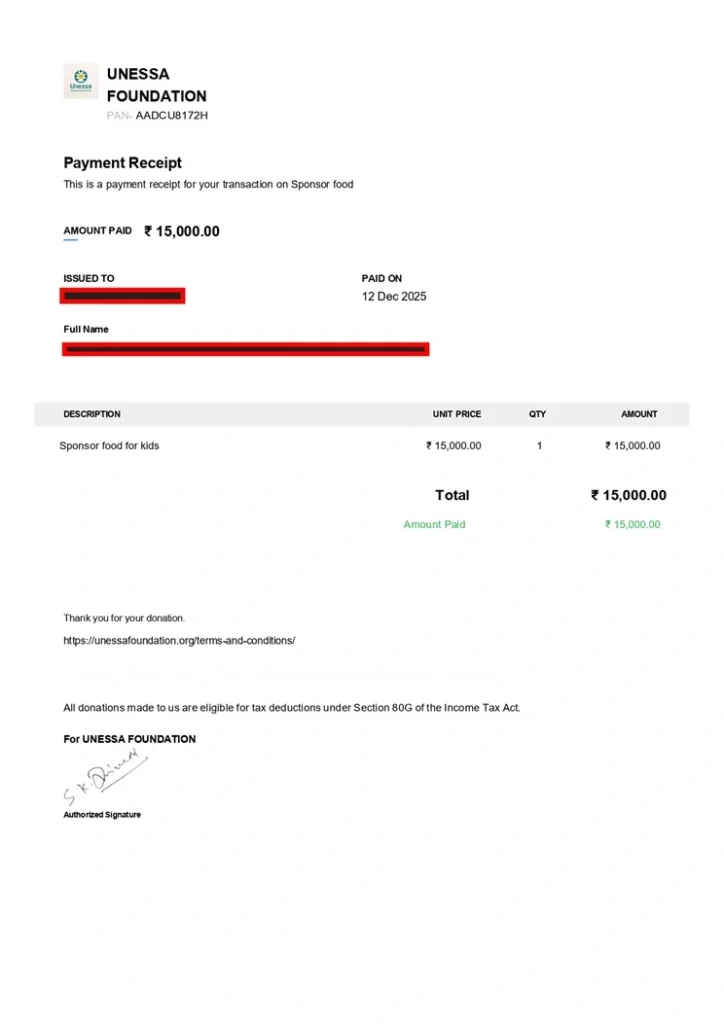
✅ Unessa provides receipts, photos, and impact reports for transparency.
❌ “I can’t afford to help.”
✅ ₹100 buys notebooks or a meal. Small actions add up.
FAQ: Understanding the Education Crisis
Why is education access so limited in India?
Poverty, gender disparities, and infrastructure gaps are key barriers. NGOs like Unessa address these holistically.
How can I donate effectively?
Choose transparent NGOs like Unessa. Even ₹100/month makes a difference.
Can I volunteer remotely?
Yes! Unessa offers virtual tutoring in math and English.
Are there tax benefits?
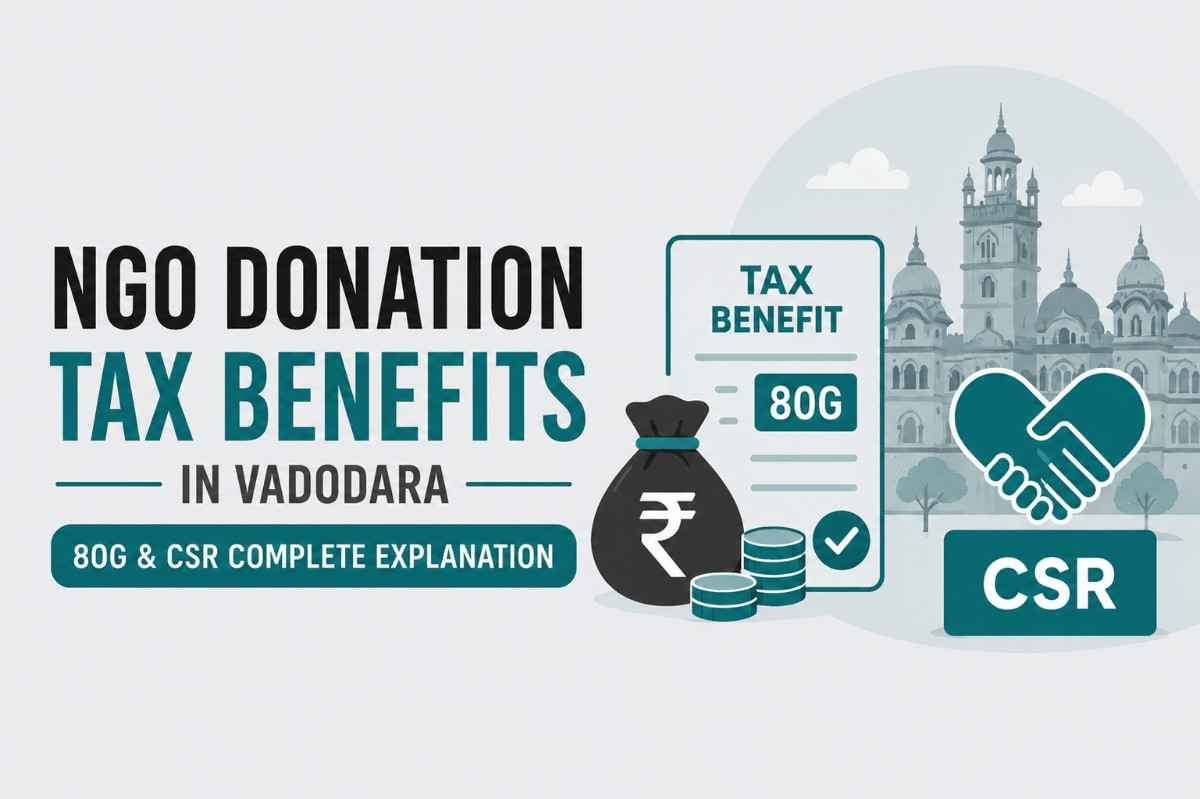
Donations to Unessa qualify for Section 80G tax deductions.
Conclusion: Be the Spark for Change
The lack of education for poor children in India is a crisis, but it’s not hopeless. Priya, Sunita, and millions like them don’t need pity; they need opportunity. I’m just a reader who decided to act. You can too.
Challenge: Help one child learn this year. Donate, volunteer, or share this post. Every action rewrites a future.