
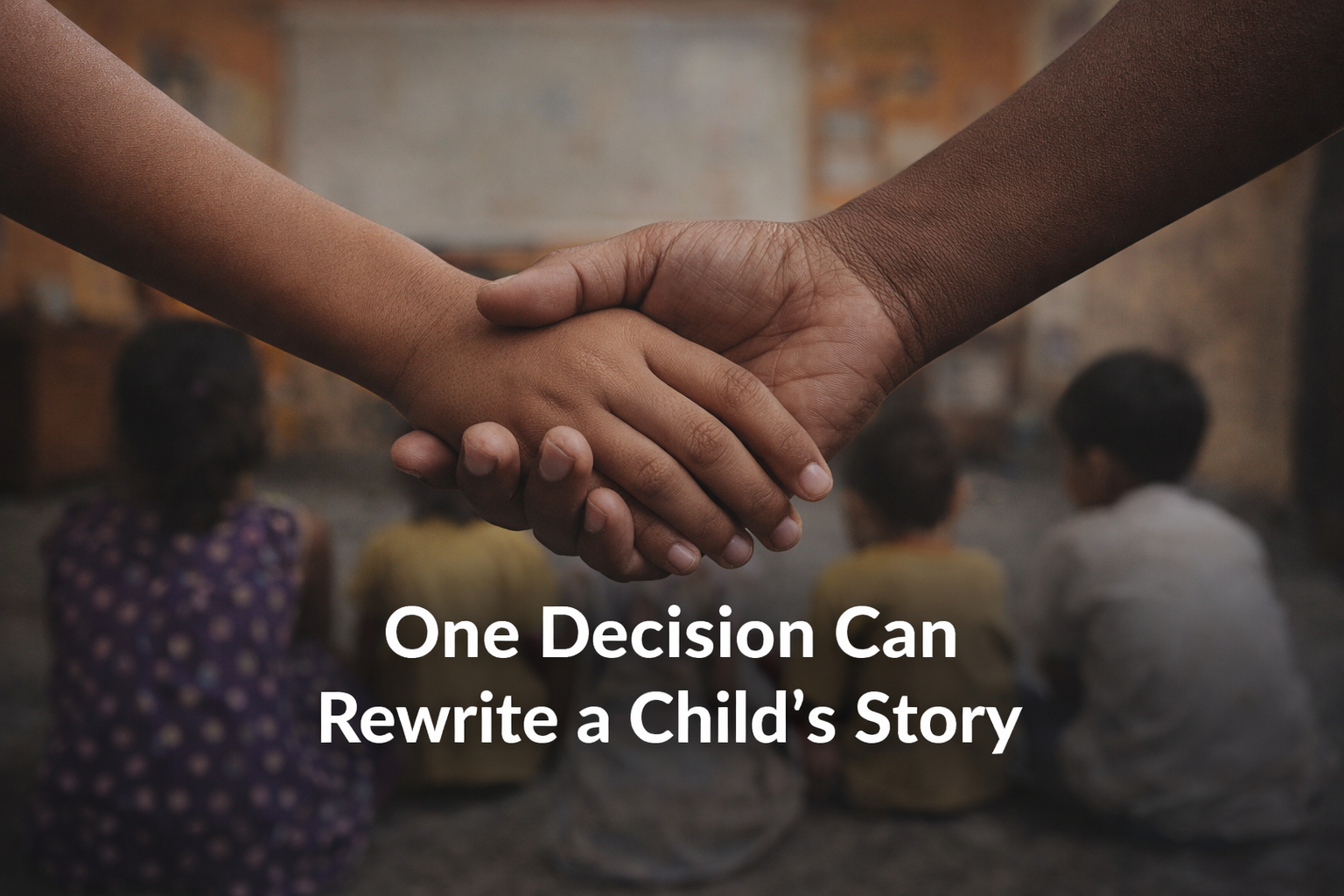

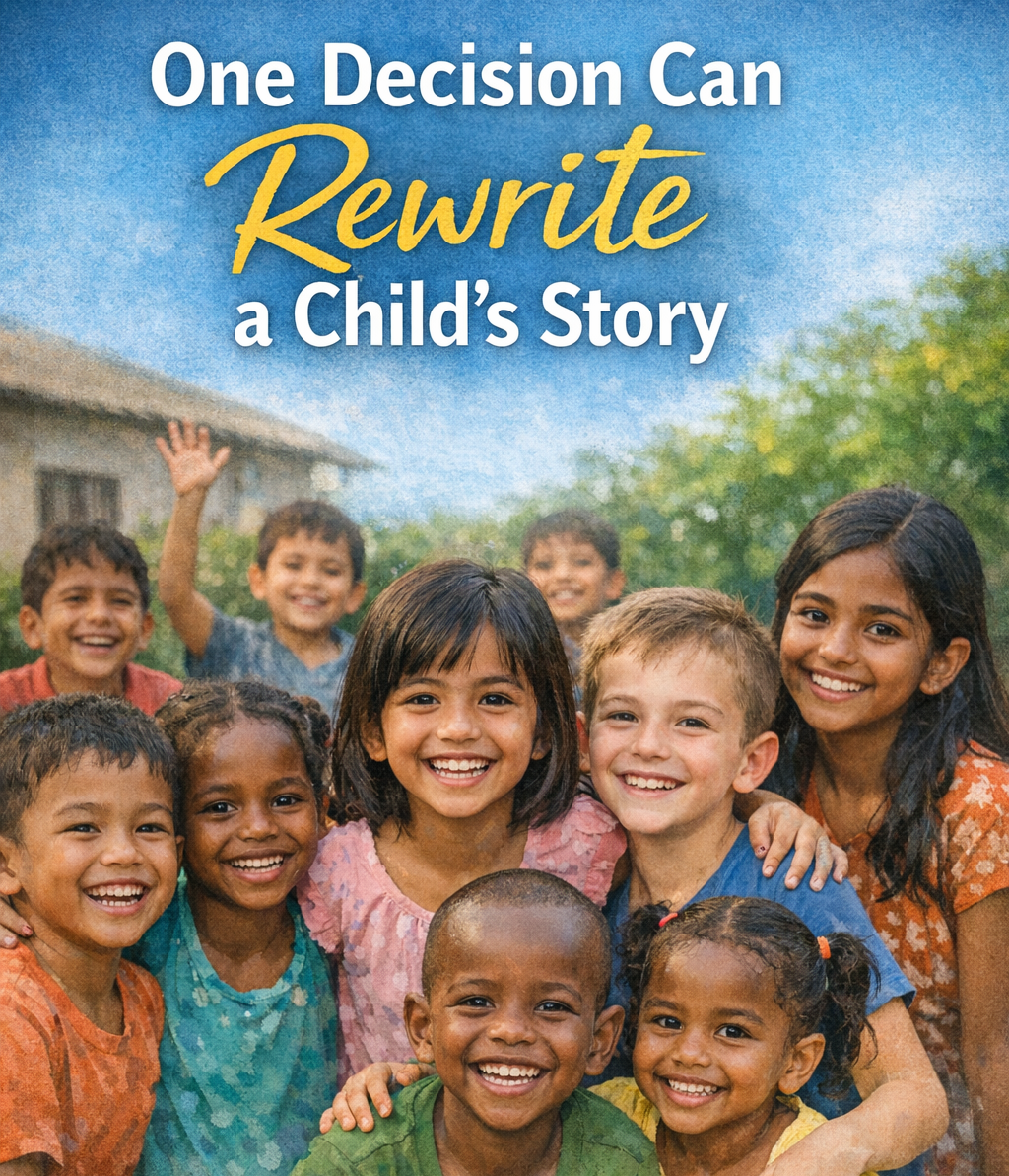
One Decision Can Rewrite a Child’s Story
Morning after morning across India, kids open their eyes to silence instead of a mother’s words, an empty room rather than a touch, quiet where praise should be. UNICEF figures suggest more than twenty million young ones grow up without parents here. Still, only a small number get steady help, learning chances, or someone who truly listens. Most face life alone – stepping through days never meant to welcome them.
Starting with a question like “How can I join an orphanage?” – that kind of thought doesn’t come from nowhere. Something shifts when you notice what’s missing, then choose to step in. Not everyone does.
One day at an orphanage changes everything. Not because it fixes all problems – but because someone finally shows they care.
Showing up matters most when done without fanfare. Children need more than food and shelter; what sticks is feeling seen, heard, safe. Learning happens not just in classrooms but through steady presence. Laughter grows where attention lingers. A future worth having begins with small commitments made real. Offer time on Saturdays if that fits. Share accounting know-how, teaching methods, carpentry skills whenever possible. Long-term paths exist too – careers rooted here often start by simply starting. This kind of work welcomes anyone willing to stay present.
Picture a group that truly believes change begins with presence. Across five Indian states, the Unessa Foundation pulls teachers, helpers, and everyday leaders into homes where kids need more than lessons – they need connection. Programs unfold behind the walls of shelters, guided by one clear truth: purpose matters most. With steady support, those who once simply got through days now reach toward futures. It’s not magic – just momentum sparked by care showing up on time.
Starting here might feel strange, yet this guide covers what matters. Ways to jump in appear one by one, each clear on its own. Follow these steps without guessing – they lead straight through. Good volunteers often listen more than they speak, show up even when it rains, stay patient when things slow down. What changes happen? Kids begin trusting adults again. Neighborhoods notice small shifts others miss. You carry something back too – something quiet but real.
The Invisible Crisis: Why Orphanages Urgently Need Your Support
Numbers do not really tell the story of a crisis but these ones are very close. India has a number of orphaned and abandoned kids yet many of them do not get help from institutions.
Kids who do get into orphanages and shelter homes face another challenge: they get food, clothes and a place to stay. Often no good education, guidance, emotional support or skills for real life.
Research from places that study child development always shows that good relationships with adults are the most important thing for kids who have lost someone or been through trauma.. Many Indian orphanages have too many kids and not enough staff, no counselors and no fun activities.
What happens when a kid turns 18 and has to leave the orphanage without any of these things? Without help many end up with paying jobs and no way to move forward. They have an education. No power. They survive,. They do not really live.
This is where volunteers and social workers can make a difference. Not by feeling sorry for them. By being there. Not by giving money but by being involved in a meaningful way that changes what is possible, for these kids.
- They can provide the support and guidance that these kids need to thrive.
- Volunteers can help bridge the gap that these kids face when they turn 18.
Why Most People Never Take the First Step And How to Change That
The most people who want to help others actually fail to achieve their goals. The method to understand the rationale behind the barrier provides a solution to remove it. The first barrier which people must overcome involves realizing their existence as the first step.
Many people simply do not know that orphanages in their city welcome volunteers, or how to find them. The country lacks a central directory which provides volunteer information because information is dispersed through various channels which include obsolete content and institutional obstacles. People stay away from their goals because they fear the possibility of causing damage which they did not intend to create.
People worry about two situations: “What will happen if I become emotionally attached but need to leave? What will happen if I enter their area without permission?What will happen if I enter their area without permission?
The reasons which lead to these concerns exist as real problems which need to be solved through ethical volunteer frameworks and background checks and proper onboarding procedures. Reputable organizations solve these risks through their established procedures. People face yet another obstacle because they lack sufficient time. Students assume they cannot commit during exam season; professionals feel their schedules are too unpredictable.
Most responsible volunteering programs provide their programs through flexible time slots which include weekend sessions and short-term placements, and skill-based contributions that do not need daily attendance. The first barrier that people must overcome requires them to find a valid starting point. They want to help but do not know who to contact, what to say, or what to expect. The next sections are designed to eliminate that uncertainty.
Ways to Join an Orphanage: Finding the Right Role for You
There is no single path into this work. The most important thing is to find the role that aligns with your skills, availability, and long-term commitment capacity.
1. Weekend or Recurring Volunteer
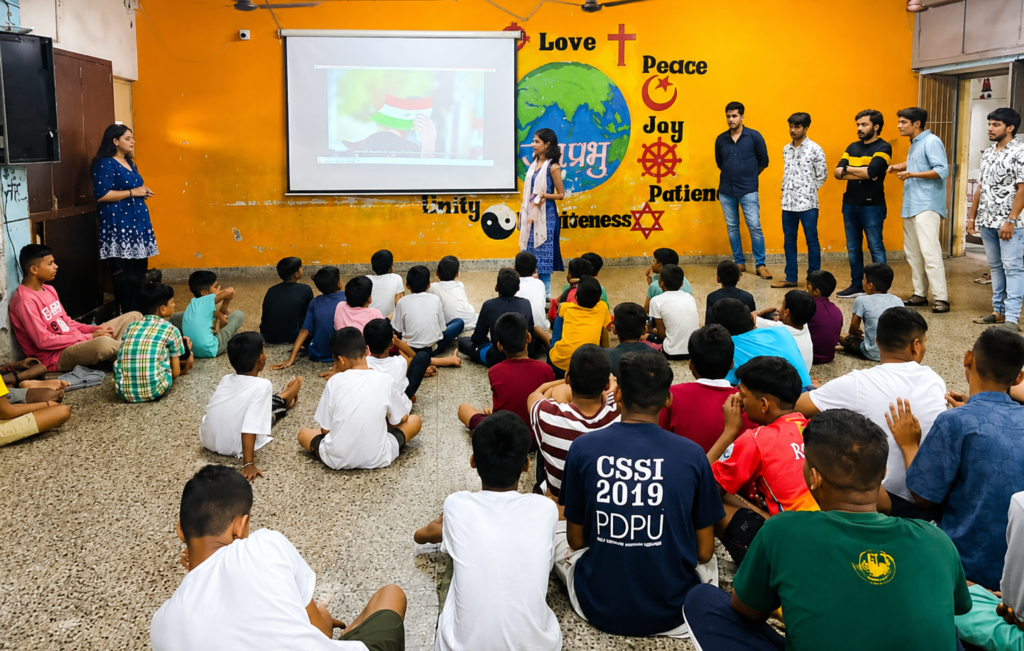
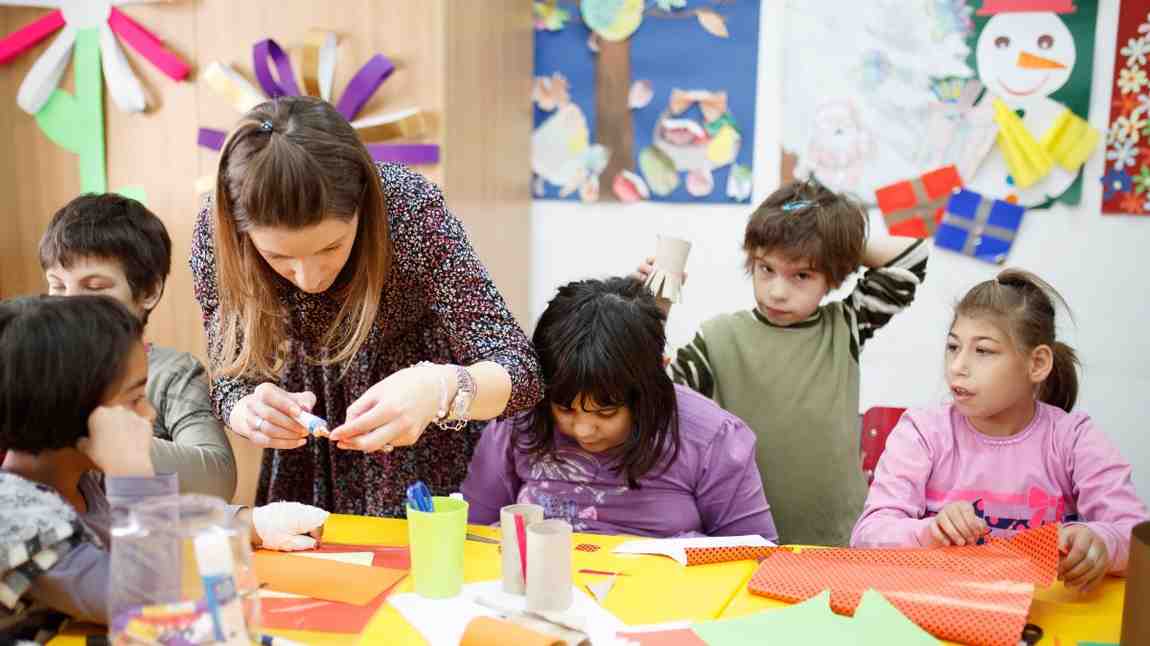
This is the most accessible way to begin. Volunteers conduct their sessions twice a week when they provide academic tutoring and storytelling and art and sports and life skills activities. The position requires no formal qualifications however candidates must show emotional maturity and reliability and a genuine ability to connect with children. The Unessa Foundation uses this model as the core structure of its Project Sneh program which delivers educational programs and life skills training through volunteer operations to orphan children in multiple states every Sunday.
2. Skilled or Professional Contributor
The orphanages require trained counselors and health advisors and digital literacy trainers and operations support to meet their urgent needs. The model allows skilled professionals to provide their expertise through scheduled intensive workshops which do not require them to work on a weekly basis.
3. Paid Staff or Social Worker
You can find job opportunities in government registered orphanages and NGOs which employ paid staff members for various roles including caregivers, educators, program coordinators, and social workers. Positions typically require relevant qualifications in social work, education, psychology, or child development. The government welfare department websites and NGO job portals such as Devex, Idealist, and Naukri NGO continuously update their job openings.
4. NGO-Mediated Volunteering
The safest and most organized entry path for first-time volunteers leads to established NGOs. The registered organizations have established child safeguarding measures which include trained coordinators and background verification systems and impact monitoring systems. Your work protects both yourself and the children because it ensures your efforts reach their most important destination.
5. Corporate or CSR Partnership
Companies use Corporate Social Responsibility partnerships with orphanages and NGOs to create formal methods for showing their social impact. The company can implement three main methods which include creating employee volunteering programs and supporting infrastructure development and funding educational materials and establishing scholarships. Corporate involvement brings scale, consistency, and resources that individual efforts alone cannot match.
6. Remote and Digital Contribution
The organization provides both remote and in-person participation options because not all individuals can attend in person. The organization offers remote volunteering through educational content creation, material translation, video call digital mentorship, social media and fundraising communication support, and design and technology skill development. The increasing number of shelter homes that provide digital access has made remote work more effective.
Steps to Get Involved: A Clear, Practical Roadmap
Knowing how to join an orphanage requires more than willingness; it requires a structured approach. Follow these steps to get started responsibly.
Step 1: Research and Identify the Right Organization
You should start your research by finding reliable orphanages and child welfare NGOs that operate in your city. You should use verified platforms, which include GiveIndia, VolunteerWorld, Idealist, and state child welfare department websites. The organization selection process should start with organizations that operate under the Juvenile Justice (Care and Protection of Children) Act, release their financial records and impact reports, and maintain a documented procedure for protecting children. The social media presence of informal and unregistered setups should not convince you to support their activities.
Step 2: Reach Out Professionally
The organization provides two ways to contact them: through their official website and their email address. The applicant needs to write a brief message which introduces themself and states their reason to volunteer while listing their available skills and schedule. The information needs to be presented in an honest way, which includes specific details. The orphanage functions as a busy space that has few staff members who handle administrative tasks, so effective communication methods will help you receive a fast response.
Step 3: Complete Orientation and Training
Every reputable organization will require you to attend an orientation before your first visit with children. The session provides training on child protection standards and acceptable behavioral limits and methods for managing challenging emotional circumstances and all prohibited actions. You must attend orientation because skipping it results in multiple consequences. The program protects children as its main focus while showing you how to become a better volunteer.
Step 4: Undergo Background Verification
Most responsible organizations conduct police verification or background checks for volunteers who will work directly with children. You must deliver complete cooperation to the processand you must do so without any delays. The organization requires this procedure because it establishes a security protocol which every responsible organization must follow.
Step 5: Start With Short Engagements
You should start your training program with two to three sessions before selecting your permanent schedule. The assessment allows you to experience the environment while meeting both children and staff members to determine your ability to continue with your duties. The organization needs this period to determine your suitability for their particular programs.
Step 6: Commit Consistently, and Communicate Honestly
Students need to attend school after they make their commitment to their studies. Orphanage children experience extreme emotional distress because they face double problems of abandonment and shattered trust. The pattern of missing sessions without warning and arriving late multiple times and disappearing after a short period creates real psychological damage. You need to provide the organization with proper notice when your situation changes and you need to take a break or end your commitments.
Qualities Required: What It Truly Takes to Make a Difference
Skills can be taught. Qualities must be cultivated. These are the human traits that distinguish a truly impactful volunteer from someone who means well but creates more disruption than benefit.
Empathy Without Pity
Children in orphanages do not need your sympathy; they need your empathy. Pity creates distance and an implicit hierarchy of suffering. Empathy creates connection and mutual respect. The most effective volunteers approach these children as capable, resilient individuals who deserve opportunities, not objects of charity. Walk in as a partner, not a benefactor.
Patience and Emotional Stability
Children who have experienced trauma, loss, or neglect often act out, withdraw, or test boundaries. This is not defiance — it is a normal, developmental response to adverse experiences. Volunteers who take such behavior personally, react with frustration, or abandon their commitment when progress is slow will cause more harm than good. Emotionally groundedness and genuine patience are prerequisites, not nice-to-haves.
Reliability and Follow-Through
As emphasized throughout this guide, consistency is everything. For a child who has experienced the loss of primary caregivers, your reliable presence becomes a powerful signal that not all adults leave. Even small acts of follow-through, remembering a child’s name, keeping a promise to bring a particular book, showing up when you said you would — build the kind of trust that creates lasting change.
Cultural and Contextual Sensitivity
Children in orphanages come from diverse religious, linguistic, caste, and socioeconomic backgrounds. Sensitivity to these differences, and a genuine openness to learning from them, is non-negotiable. Avoid making assumptions. Ask questions respectfully. Never impose your own cultural norms or beliefs on children or staff.
A Genuine Growth Mindset
The best volunteers approach this work as learners, not teachers. Every session will reveal something about yourself, about your assumptions, your blind spots, and your capacity for connection. Bring curiosity and humility alongside your skills, and you will grow as much as the children you serve.
Real-World Impact: What Consistent Volunteering Actually Achieves
Abstract ideals are powerful, but real stories are transformative. Consider a realistic scenario that reflects what organizations like Unessa Foundation document across their programs.
A 14-year-old boy, let’s call him Rajan, arrived at a shelter home in Gujarat, having lost both parents. He was withdrawn, struggled with basic reading, and had no concept of what a career might look like. He had been through three schools in two years and had learned, in the way children do, that adults eventually leave.
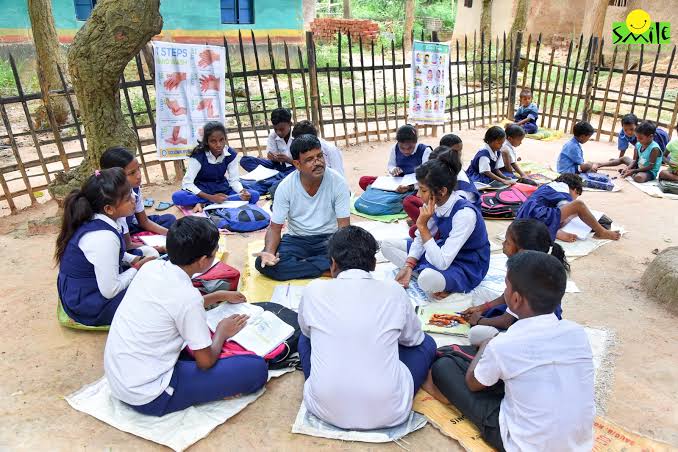
When a volunteer educator joined Project Sneh’s Sunday sessions at his shelter, Rajan refused to participate for the first three weeks. The volunteer showed up anyway. On the fourth Sunday, Rajan picked up a book during a storytelling activity. Three months later, he was reading independently. Six months in, he was helping younger children with their lessons, a role that gave him confidence he had never experienced before.
This is not a fairy tale. It is a pattern that repeats across well-structured volunteer programs. The Harvard Center on the Developing Child documents clearly that consistent, caring adult relationships are the primary mechanism through which children build resilience and cognitive skills. Volunteers who commit to regular, sustained presence are, quite literally, rewiring what is possible for these children.
What changed for Rajan was not resources. It was the presence of a reliable adult who showed up without conditions. That is something money alone cannot buy, and it is something you can provide.
Transparency and Accountability: Why Ethical Volunteering Matters
Not all volunteering is created equal. The orphanage sector, unfortunately, has been plagued by a phenomenon called “voluntourism”, short-term, poorly structured engagement driven more by the volunteer’s desire for a meaningful experience than by the actual needs of the children. Studies have shown that high volunteer turnover in residential care settings can worsen children’s attachment difficulties and undermine program outcomes.
This is why choosing an accountable, transparent organization is as important as choosing to volunteer at all. Before joining any program, ask these questions: Does the organization have a published child safeguarding policy? Do they conduct background verification for volunteers? Are impact outcomes measured and reported? Is there a structured orientation process?
Organizations that answer yes to all of these questions and can demonstrate their impact through accessible reports and testimonials are the ones worth your time. Transparency is not just good governance. In child welfare, it is a moral imperative.
How You Can Get Involved: Your Options Are Wider Than You Think
Whether you have five hours a month or fifty, there is a meaningful way to contribute to the children in orphanages and shelter homes across India.
Volunteer Your Time
Reach out to a registered NGO or orphanage in your city and apply to join their volunteer program. Even one dedicated session per week creates a measurable impact when sustained over months.
Donate Purposefully
Financial contributions to credible organizations fund educational materials, program infrastructure, and staff training. Look for organizations with clear impact metrics: know what your contribution enables, how many sessions it funds, how many children it reaches.
Share Awareness
Many people who would make excellent volunteers simply do not know this work exists or how to access it. Sharing content, writing about your experiences, or recommending reputable organizations within your network creates a multiplier effect that extends far beyond your individual effort.
Corporate and CSR Engagement
If you work in or lead a company, propose a structured employee volunteering program or CSR partnership with a credible child welfare organization. Institutional support at scale is one of the most powerful levers for sustainable change in this sector.
Frequently Asked Questions
Do I need any qualifications to volunteer at an orphanage?
No formal qualifications are required for general volunteering. What matters most is emotional maturity, reliability, and a genuine commitment to child wellbeing. For specialized roles, such as counseling, legal aid, or medical support, relevant professional credentials will be expected.
How much time do I need to commit?
This varies by organization and role. Many structured programs require as little as two to four hours per week or fortnight. The key is not the quantity of time, but the consistency. Irregular or one-time visits are less beneficial than shorter, predictable engagements.
Is volunteering at an orphanage safe?
Volunteering through a registered NGO or government-recognized institution is generally very safe. Reputable organizations conduct background checks on volunteers, maintain supervised environments, and have clear child protection protocols. Always verify an organization’s registration and safeguarding policies before committing.
Can students volunteer at orphanages?
Absolutely. Students are among the most energetic and impactful volunteers in this space. Many organizations actively welcome student volunteers and provide flexible scheduling around academic calendars. Some universities and colleges also recognize volunteering hours toward social service credits or internship requirements.
How do I find orphanages near me that accept volunteers?
Start with platforms like GiveIndia, Idealist, VolunteerWorld, or your state’s child welfare department website. You can also reach out directly to registered NGOs operating in your city. Unessa Foundation, for example, operates across Gujarat, Karnataka, West Bengal, and Madhya Pradesh and welcomes volunteer applications through their website.
What should I avoid doing as a volunteer at an orphanage?
Avoid making promises you cannot keep, taking photographs of children without explicit permission, sharing children’s personal stories on social media, giving unsupervised gifts, or treating the experience as a personal emotional journey at the expense of the children’s needs. Always follow the protocols set by the organization.
Conclusion: The World These Children Deserve Starts With You
The question about joining an orphanage functions as a test which reveals your personal identity. The question tests your ability to solve problems when present issues exist between current reality and desired future outcomes. The question tests your ability to solve problems when present issues exist between current reality and desired future outcomes. The gap between current reality and future needs requires your active involvement through all your abilities which include work time and personal appearance.
Children who live in orphanages throughout India are not waiting for rescue because they require active recognition from others. The adult will arrive on Sunday to fulfill his promise while he learns her name and supports her future development. The task required for this accomplishment exceeds human capabilities. The task requires people to perform their regular human duties.
Through its educational and mentoring initiatives, Unessa Foundation proves that structured voluntary education brings significant changes to student development based on its results which show student progress. The students who struggled with reading became the top students of their class. The students who had no vision of their future now describe their professional goals and personal aspirations.
You do not need to be an expert. You do not need to have all the answers. You need to show up, consistently and compassionately, for children who have already shown extraordinary resilience in circumstances most of us will never face.
The world these children deserve is not far away. The world develops through each session which people exactly like you will construct. Start today.