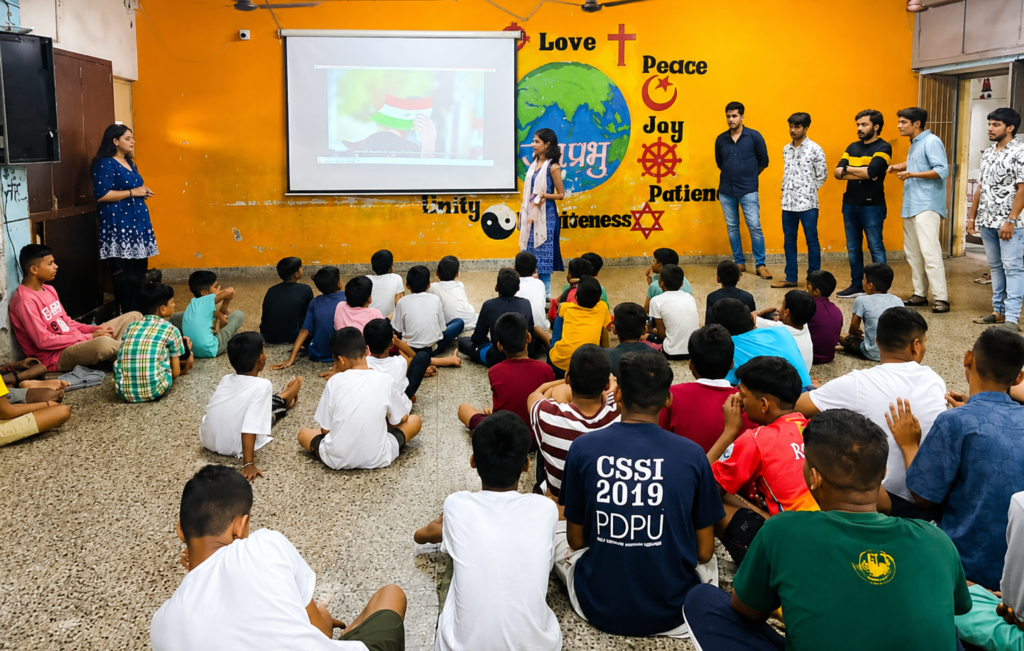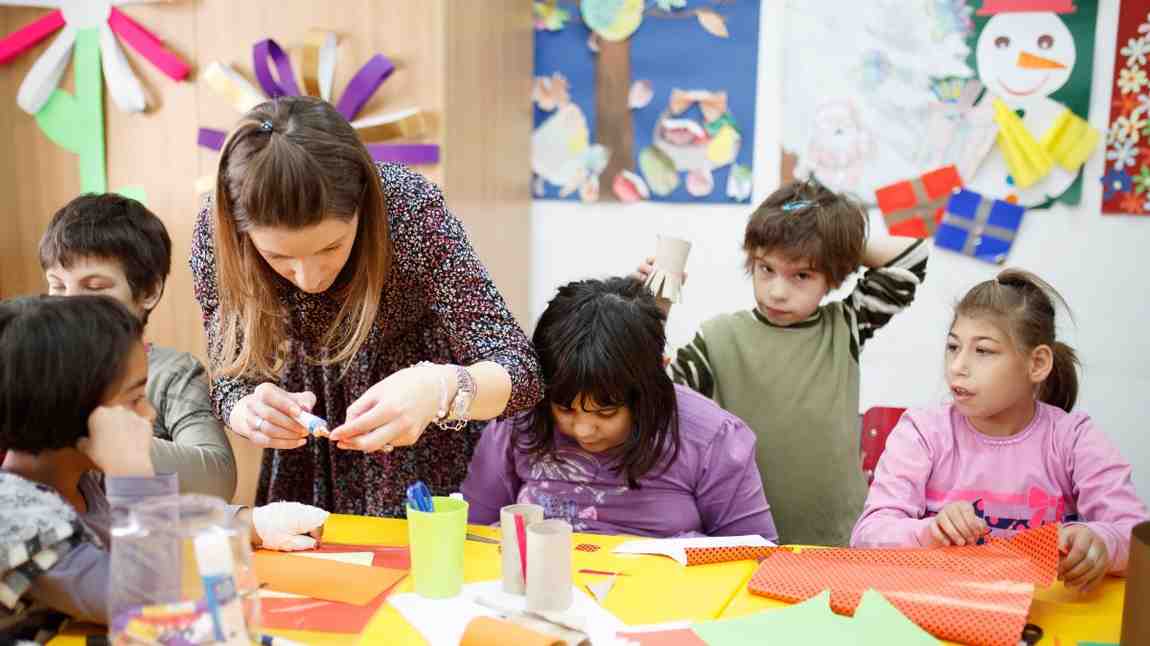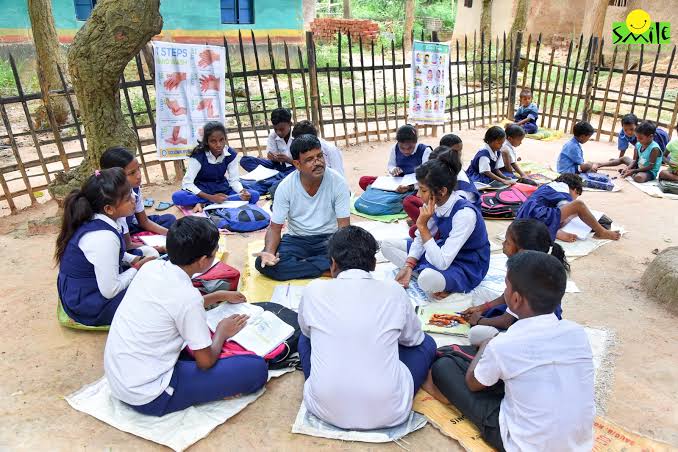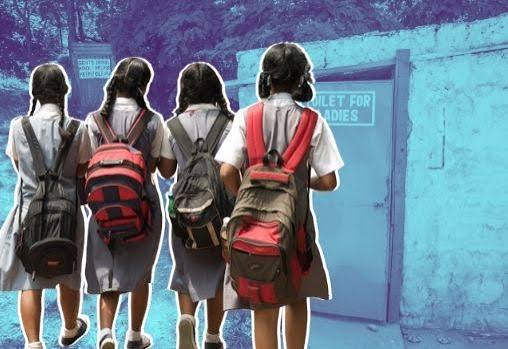


Help underprivileged children education this is one of the most impactful ways to create long-term social change, yet many people don’t know where to start or how to make their efforts truly effective.
The desire to help underprivileged children receive education is something many people feel deeply about, yet despite good intentions, most individuals struggle with one key question: what actually works? The truth is that helping children access education is not just about generosity—it is about direction, consistency, and choosing the right methods that create long-term impact rather than short-term satisfaction, and this is exactly where most well-meaning efforts fail.
In today’s world, where millions of children still lack access to basic education due to poverty, lack of infrastructure, or systemic inequality, your contribution—if done correctly—can genuinely transform lives, but if done incorrectly, it can unintentionally create dependency or provide only temporary relief without solving the root problem.
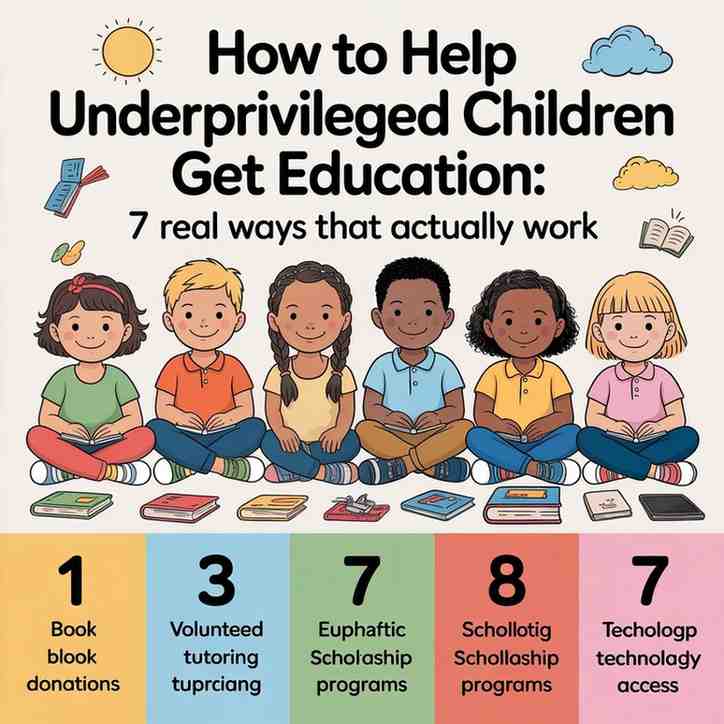
This blog provides 7 real, actionable, and proven ways to help underprivileged children get education, ensuring that your efforts lead to measurable and meaningful outcomes rather than just emotional fulfillment.
Quick Insight: Monthly donors are 6x more valuable to education NGOs than one-time donors — because predictable income allows long-term programme planning. If you can only do one thing, make it recurring.
Table of Contents
1. How to Help Underprivileged Children Education: What Actually Works vs What Feels Helpful
Before taking action, it is crucial to understand that not all help is equally effective, and in many cases, what feels like helping may not actually solve the problem at all, because education is a complex ecosystem involving teachers, infrastructure, family support, nutrition, and long-term consistency.
For example, short-term volunteering programs where individuals teach for a few days might feel impactful, but they often disrupt learning continuity, while donating random items like clothes or books without understanding local needs may result in resources going unused or wasted.
On the other hand, effective interventions focus on sustainability, such as funding teacher salaries, supporting structured programs, and building systems that continue functioning even after your involvement ends.
This shift in thinking—from emotional action to strategic action—is the foundation of making a real difference.
2. Help Underprivileged Children Education: 7 Powerful Ways That Actually Work
1. Donate Monthly to a Verified Education NGO
One of the most powerful and impactful ways to support education is through monthly donations, because unlike one-time contributions, recurring support allows organizations to plan long-term programs, hire qualified educators, and maintain consistent learning environments.
Even a small monthly contribution—such as ₹500—can fund essential learning materials, support classroom activities, and contribute to the operational stability of education programs.
What makes monthly giving especially powerful is predictability, because NGOs can allocate resources efficiently when they know funding will continue, rather than operating in uncertainty.
If you want to make one decision that has the highest impact with the least complexity, this is it.
2. Sponsor a Child’s Education
Child sponsorship creates a direct and meaningful connection between you and a child’s educational journey, as your contribution typically covers school fees, uniforms, books, and sometimes even nutrition support.
This approach not only ensures accountability but also allows you to see the tangible results of your support, such as improved attendance, better academic performance, and increased confidence in the child.
However, it is important to choose a credible organization that ensures transparency and does not create emotional dependency, but rather empowers the child and their family.
3. Volunteer Your Professional Skills
While many people believe that volunteering means teaching children, the reality is that education NGOs need a wide range of professional skills, including marketing, fundraising, data analysis, technology support, and operations management.
If you are a designer, developer, writer, accountant, or analyst, your expertise can significantly improve the efficiency and reach of an organization, ultimately impacting more children than direct teaching alone.
Skill-based volunteering is especially valuable because it strengthens the organization itself, which in turn improves the quality and scale of education delivery.
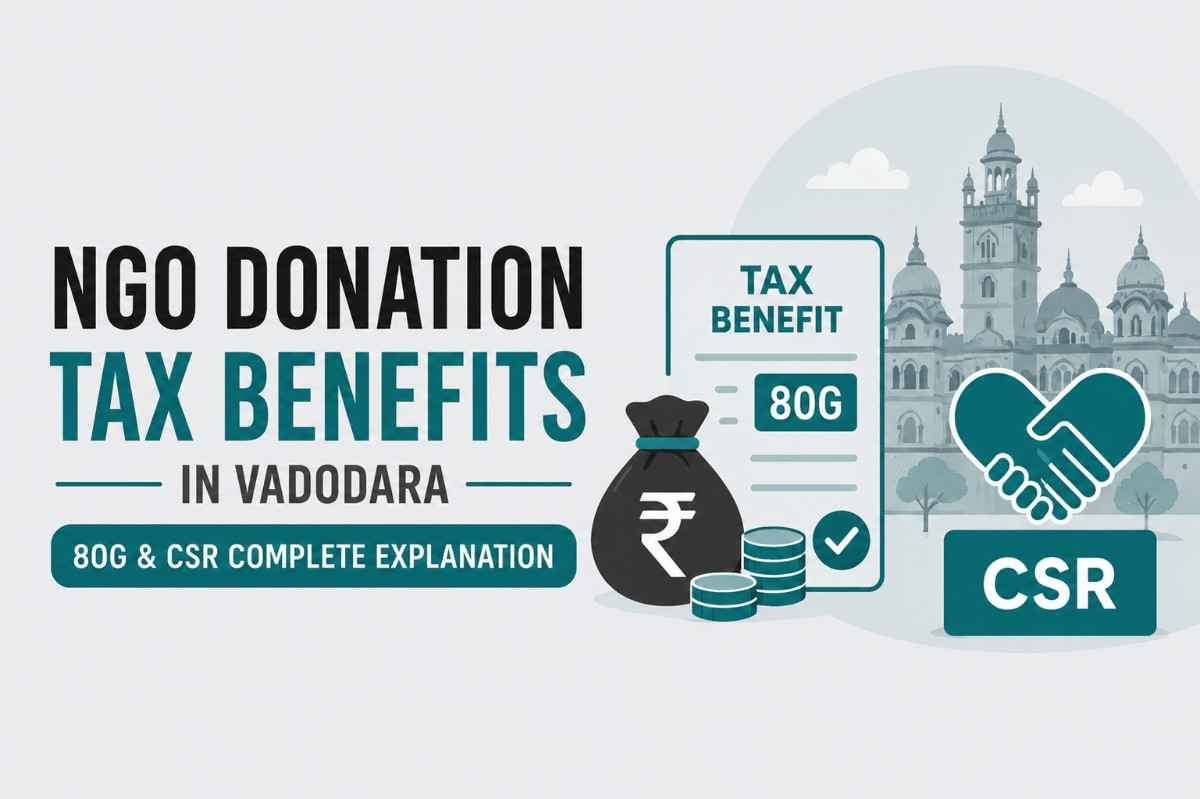
4. Advocate Within Your Organisation (CSR Impact)
Corporate Social Responsibility (CSR) in India represents billions of rupees in potential funding, yet a significant portion of this budget is often spent on low-impact or one-time initiatives that lack measurable outcomes.
If you are working in a company, you have a unique opportunity to influence how CSR funds are allocated by advocating for partnerships with credible education-focused NGOs.
This single action can unlock funding that is 10 to 100 times greater than individual contributions, making it one of the highest-leverage ways to support education.
5. Tutor or Mentor a Child
Direct mentorship or tutoring can be extremely impactful, especially for children who struggle with learning gaps, lack of guidance, or low confidence, but the key factor here is commitment.
A mentor who stays consistent over several months can build trust, improve academic performance, and provide emotional support, whereas short-term engagement can do more harm than good by creating instability.
If you choose this path, commit to at least 6 months of consistent involvement, ensuring that your presence becomes a reliable part of the child’s learning journey.
6. Amplify Awareness Responsibly
In the digital age, awareness is a powerful tool, but only when used responsibly and accurately, because misinformation or vague content can reduce trust and dilute impact.
Sharing verified stories, impact reports, and credible data from organizations can inspire others to contribute, volunteer, or support education initiatives.
Even a single well-informed post per week can expand the reach of important causes and bring new supporters into the ecosystem.
7. Advocate for Policy Change
In the digital age, awareness is a powerful tool, but only when used responsibly and accurately, because misinformation or vague content can reduce trust and dilute impact.
Sharing verified stories, impact reports, and credible data from organizations can inspire others to contribute, volunteer, or support education initiatives.
Even a single well-informed post per week can expand the reach of important causes and bring new supporters into the ecosystem.
Reflective Question: Of these 7 approaches, which one aligns best with your actual skills, time, and resources? Starting with the right fit is more important than starting with the most visible option.
3. How to Choose Where to Direct Your Support
With thousands of education NGOs operating in India, selecting the right one requires due diligence. Evaluate potential recipients against these criteria:
- Published learning outcome data (not just enrollment statistics)
- Third-party annual evaluations by credible researchers or audit firms
- Financial transparency — overhead ratio below 20%, with publicly available accounts
- Community participation — local families involved in programme design, not just delivery
- Child safeguarding policy — explicitly stated and actively implemented
4. Common Mistakes Well-Intentioned Supporters Make
Giving Once and Forgetting
One-time donations fund one-time activities. Sustainable education requires sustained funding. The most common mistake is treating a donation as a transaction rather than a relationship.
Prioritising Visibility Over Impact
Building a school is visible and photographable. Paying a teacher’s salary for 3 years is neither. But the salary almost certainly has more impact. Resist the bias toward visible interventions.
Ignoring Local Context
Programmes designed elsewhere and transplanted without local adaptation consistently underperform. Support organisations that design from local conditions, not import solutions from elsewhere.
5. A Case Study: How One Corporate Team Made a Measurable Difference
Background
A mid-size technology company in Bengaluru allocated Rs 12 lakhs of its annual CSR budget to an education initiative. Historically, the budget had been spent on one-off school supply drives with no outcome tracking.
Challenge
The CSR committee wanted measurable impact data for their annual report but had no mechanism to collect it from previous initiatives.
Actions Taken
The company partnered with Unessa Foundation to fund community learning centre operations for two years. The partnership included quarterly impact reports, a company volunteer day with genuine skill-sharing activities, and an annual visit by senior leadership to the programme sites.
Outcome
Over two years: 143 children received consistent educational support. 89% showed measurable literacy improvement. The company’s CSR report included specific, verifiable data — improving both internal satisfaction and external stakeholder credibility.
Lesson
Corporate CSR is most effective when it commits to multi-year partnerships with outcome accountability. Short-term, transactional giving produces neither good impact nor good data.
6. FAQ — People Also Ask
How can I help underprivileged children get education in India?
You can donate monthly to a verified NGO, sponsor a child directly, volunteer your professional skills, advocate within your company for CSR partnerships, tutor directly, amplify awareness, or advocate for policy change.
What is the most effective way to help poor children access education?
Monthly financial giving to outcome-focused NGOs is consistently the highest-impact individual action. Corporate CSR partnerships are the highest-impact organisational action.
How do I choose a credible NGO for child education?
Look for published learning outcome data, third-party evaluations, financial transparency below 20% overhead, community participation, and explicit child safeguarding policies.
Can volunteering help underprivileged children's education?
Yes — when volunteers contribute skills genuinely needed by the programme and commit to a minimum 6-month engagement. Short-term or unskilled volunteering is less effective than financial contribution.
8. Conclusion
Helping underprivileged children get education is not about doing something extraordinary—it is about doing something effective and doing it consistently. Real change does not come from one-time efforts or good intentions alone, but from choosing the right approach and staying committed to it over time.
Whether you choose to donate monthly, volunteer your skills, support CSR initiatives, mentor a child, or advocate for better policies, every action has the potential to create lasting impact when done with purpose and consistency. The key is not to wait for the perfect moment or the perfect plan, but to start with what you can do today.
Pick one path that fits your life. Take action this week. And most importantly, measure your impact by the difference you create—not just the intention you begin with.