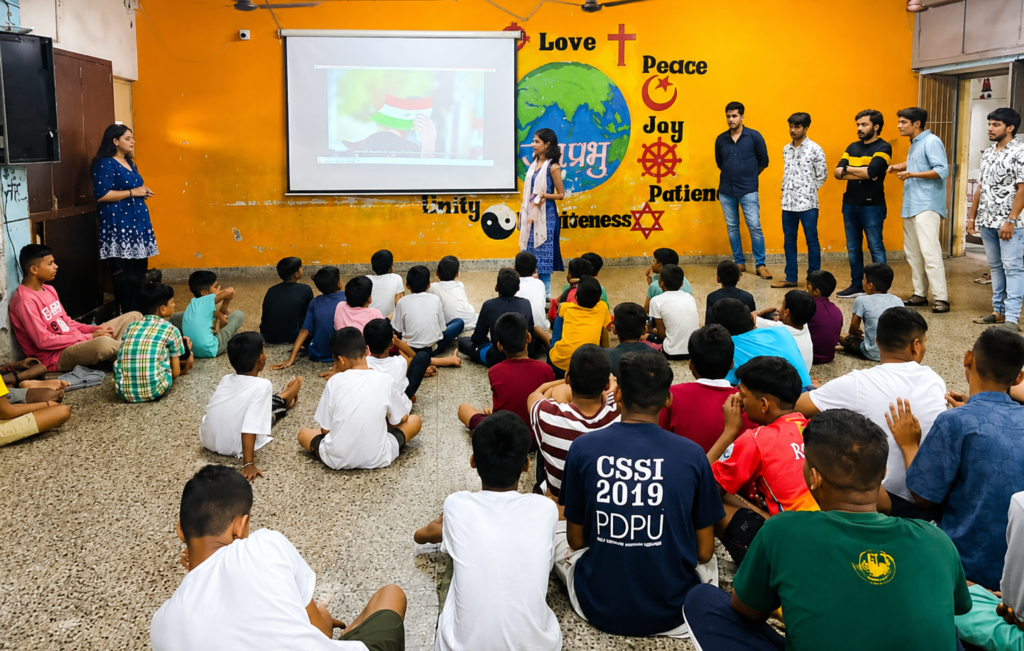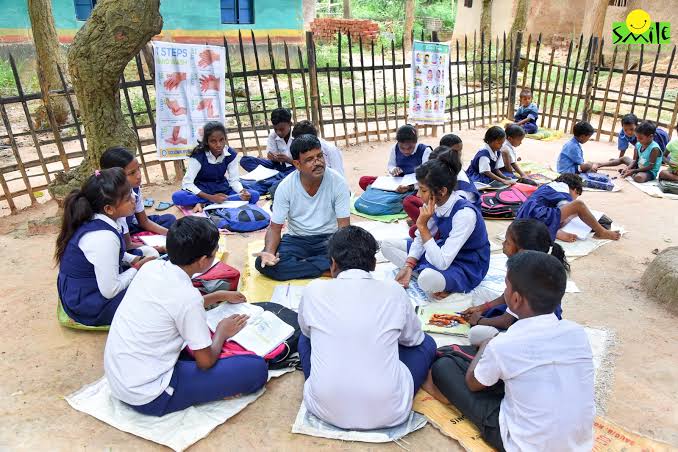

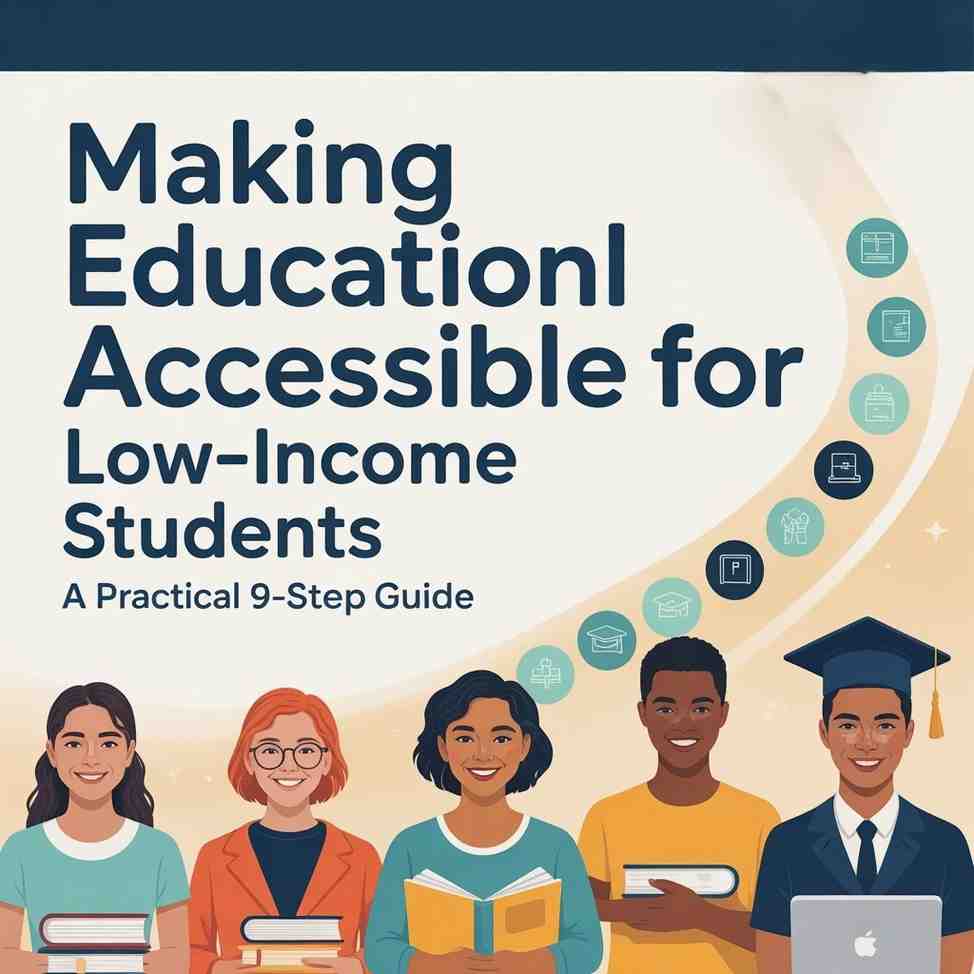

Making education accessible for low-income students is not simply about building schools or increasing enrollment numbers—it is about removing the multiple, layered barriers that prevent children from actually participating in and benefiting from education. While infrastructure plays an important role, true accessibility extends far beyond physical presence and requires a deeper, more systemic approach.
Across India and globally, millions of children remain excluded from meaningful education not because schools do not exist, but because those schools are not designed around their realities. Economic constraints, geographic limitations, cultural norms, language barriers, and poor learning quality all contribute to a system where education is technically available but practically inaccessible.
This guide draws on proven interventions, field research, and successful program models to present a structured 9-step framework that can help educators, NGOs, policymakers, and individuals move from intention to measurable impact.
Quick Insight: The gap between “school availability” and “school accessibility” can lead to up to a 40% difference in enrollment and retention, highlighting the importance of human-centered design in education systems.
1. Defining Accessibility in Education — Beyond Physical Access
When discussions around educational accessibility take place, the focus is often limited to infrastructure—ensuring that schools are within a certain distance of communities. While this is important, it represents only a small part of the overall problem.
True accessibility for low-income students requires addressing multiple dimensions simultaneously:
- Economic access, which involves eliminating both direct and indirect costs such as uniforms, books, transportation, and exam fees
- Geographic access, ensuring that school locations, timings, and transportation options align with the daily realities of students
- Cultural access, removing social barriers, discrimination, and norms that prevent certain groups from attending school
- Linguistic access, ensuring that instruction is delivered in a language students understand
- Quality access, guaranteeing that students receive meaningful learning outcomes once they are in school
A school that exists but cannot be afforded, reached, or understood does not provide real access. Accessibility must be defined not by presence, but by participation and outcomes.
2. 9-Step Framework for Making Education Accessible
Step 1: Conduct a Barrier Assessment Before Designing Programmes
The most common mistake in educational access work is designing solutions before fully understanding the specific barriers in each community. A barrier assessment — through community consultations, household surveys, and focus groups — identifies whether the primary barrier is cost, distance, cultural resistance, language, or quality deficit.
- Tool: Use UNICEF’s Community Assessment of Child Protection and Education framework
- Timeline: Minimum 4-6 weeks before programme design begins
Step 2: Eliminate All Indirect Costs
In countries with nominally free education, indirect costs — uniforms, textbooks, bags, transport, and examination fees — often exceed the family’s capacity to pay. Programmes that provide these materials directly, or subsidise them, show significant attendance improvements.
- Implementation: Partner with local suppliers for bulk procurement at reduced cost
- Evidence: Material provision programmes increase enrollment by an average of 15-25%
Step 3: Introduce Flexible Scheduling
School timetables designed for middle-class families do not work for children in agricultural or informal labour households. Evening classes, seasonal scheduling, and weekend catch-up sessions can dramatically improve access for working children.
Step 4: Hire and Train Local Teachers
Teachers from outside the community are perceived as temporary, culturally distant, and often unwilling to remain in underserved areas. Local teachers have community trust, language competency, and genuine long-term commitment. Investing in training local candidates produces better outcomes and lower attrition.
Step 5: Provide Nutritional Support
Hungry children cannot learn. Mid-day meal programmes have been among the most cost-effective educational interventions studied — increasing attendance by up to 25% and measurably improving cognitive performance. Nutrition and education are inseparable.
Step 6: Engage Families as Partners
Educational access improves dramatically when families understand the long-term value of education and are involved in school governance. Monthly family information sessions, parent representation on school committees, and home visit programmes all contribute to sustained enrollment.
Step 7: Address Language Barriers
In India, millions of children are taught in languages other than their mother tongue from their first day of school. Research consistently shows that children taught in their home language for the first 3 years perform significantly better on all subsequent academic measures.
Step 8: Create Safe and Inclusive Environments
Children from Dalit communities, tribal groups, and other marginalised populations often avoid school because of discrimination, bullying, or social exclusion. Programmes that explicitly address inclusive practices — in teacher training, classroom management, and curriculum — increase attendance among these groups.
Step 9: Measure Access, Not Just Enrollment
Enrollment is the easiest thing to measure and the least informative metric for access. Measure attendance rates, learning outcomes, dropout triggers, and re-enrollment rates. These tell you whether your programme is truly accessible, or merely available.
Reflective Question: Which of these 9 steps is most frequently neglected in educational access programmes you are familiar with — and why?
3. Technology's Role in Educational Access
Digital technology has expanded educational access significantly — but only where supporting conditions exist. Technology is an enabler, not a substitute for the 9-step framework above.
Where Technology Helps
- Digital learning modules compensate for teacher quality deficits in remote areas
- Mobile-based content delivery reaches students who cannot travel to school
- Digital record-keeping improves assessment accuracy and programme monitoring
Where Technology Fails
- Without device access, content is irrelevant — 37% of India’s rural households have no smartphone
- Without power and connectivity, digital tools do not function
- Without teacher training in digital pedagogy, technology in classrooms is not used effectively
4. Barriers That Are Rarely Discussed
Menstrual Health and Girls' Education
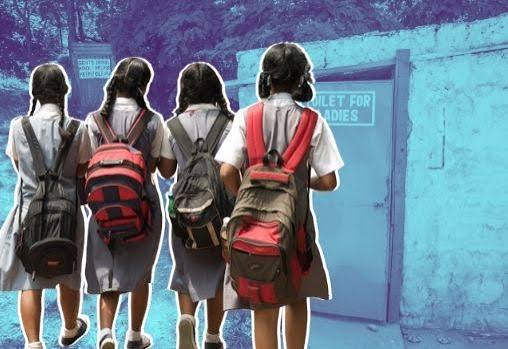
In schools without private toilets and menstrual hygiene supplies, adolescent girls face a stark choice during their period: attend school and manage privately in an unsafe environment, or stay home. Menstrual health is a direct educational access barrier for millions of girls, and it is almost never mentioned in mainstream education policy discussions.
Mental Health and Trauma
Children who have experienced violence, bereavement, displacement, or chronic stress carry psychological burdens that impair classroom engagement. Schools serving low-income communities need basic mental health support — not psychiatric services, but trained counsellors and trauma-informed teachers.
Disability and Special Needs
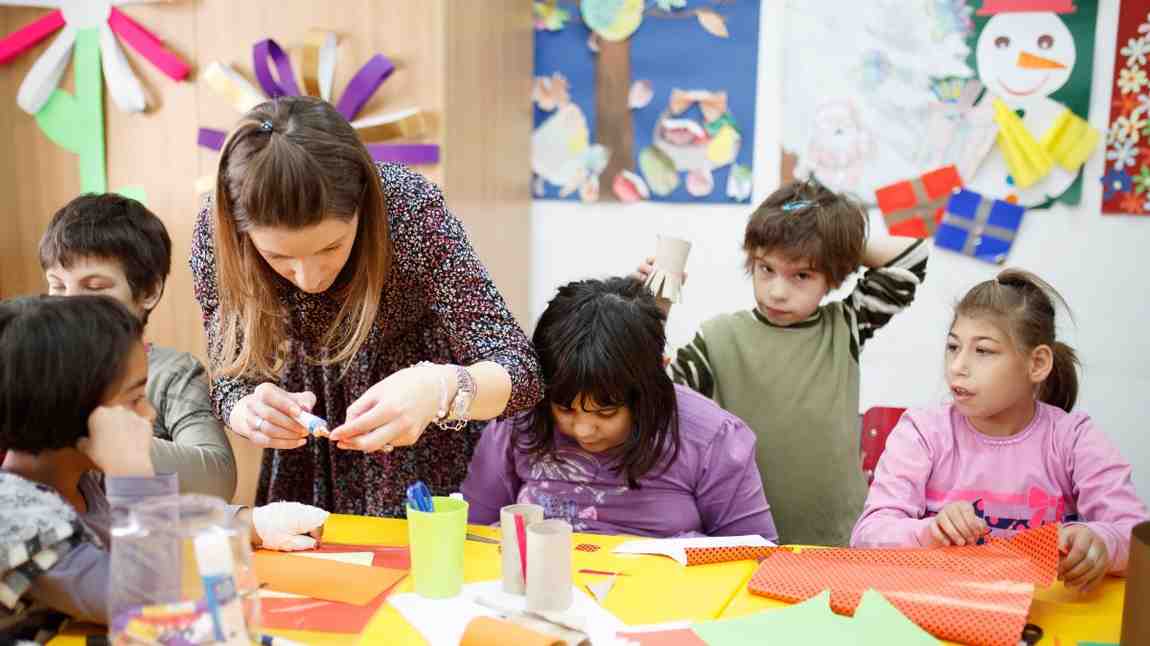
Children with physical, sensory, or intellectual disabilities are among the most excluded from education globally. Inclusive education requires more than wheelchair ramps — it requires teacher training, adapted curriculum, assistive technology, and a cultural commitment to belonging.
5. A Case Study: Designing for Access in Tamil Nadu
Background
A district in Tamil Nadu had a relatively high enrollment rate (84%) but a severe completion problem — only 52% of enrolled students completed Class 8. Exit interviews revealed three primary dropout triggers: cost of materials in Classes 6-8, distance to the nearest upper-primary school, and examination anxiety in first-generation learners.
Actions Taken
A targeted access programme: provided free textbooks, stationery, and uniforms for Classes 6-8; established a daily bus service for students in satellite villages; and introduced a peer-learning programme pairing first-generation learners with mentors who had navigated the same transition.
Outcome
Class 8 completion rates rose from 52% to 71% over 3 years. The cost per additional completer — approximately Rs 8,400 — was among the lowest recorded for any completion intervention in the state.
Lesson
Making education accessible for low-income students requires diagnosing the specific barriers in each context. Generic solutions applied without local diagnosis consistently underperform targeted, context-specific approaches.
6. FAQ — People Also Ask
How can we make education more accessible for low-income students?
By eliminating indirect costs, offering flexible scheduling, hiring local teachers, providing nutrition, engaging families, addressing language barriers, creating inclusive environments, and measuring outcomes rather than just enrollment.
What are the main barriers to education for low-income students?
Research shows early childhood education has the highest ROI, girls’ education has the broadest multiplier effect, teacher quality matters more than infrastructure, and attendance without learning quality produces minimal poverty reduction.
Does technology make education more accessible for poor students?
Only when accompanied by device access, connectivity, teacher training, and power supply. Technology alone does not create access for students who lack supporting infrastructure.
What is the role of NGOs in making education accessible?
NGOs bridge the gap between government provision and community need — providing last-mile access through community learning centres, material support, teacher training, and family engagement programmes.
8. Conclusion
Making education accessible for low-income students is a design problem, not a goodwill problem. The barriers are known. The solutions are evidence-based. What is needed is the discipline to design programmes around actual barriers — not assumptions — and the commitment to measure whether those barriers have genuinely been removed.
Organisations like Unessa Foundation are applying this discipline every day. The 9-step framework in this guide reflects the best of what works across research and practice.
Accessibility is not a box to check. It is the daily work of making sure that the door we say is open is one that every child can actually walk through.