

Skill Based Learning Rural Classrooms NGO initiatives are transforming how education is experienced across rural India. In many rural classrooms, learning has long followed a familiar pattern—students quietly copying from the board, memorising lessons without fully understanding them, and preparing for exams that test recall rather than real knowledge. For years, this approach has limited not only what children learn, but how they think, question, and grow.
However, this reality is slowly beginning to change. Today, skill based learning rural classrooms india ngo initiatives are reshaping the education landscape by moving beyond textbook-driven teaching. Instead of focusing only on theoretical knowledge, these programs emphasize practical skills such as communication, problem-solving, critical thinking, and confidence—skills that children can carry with them throughout life.
This blog explores how skill-based learning is transforming rural classrooms, what these changes look like on the ground, how Unessa Foundation is contributing to this shift, and why this new approach is essential for building a stronger, more inclusive future for education in India.
Why Textbook-Only Learning Is Failing Rural Children in India: The Need for Skill Based Learning Rural Classrooms NGO
Let’s be honest—textbooks alone are not the problem. The problem is over-dependence on them.
🚫 The Traditional Model
- Focus on memorisation
- Limited interaction
- One-way teaching
- Exam-driven learning
⚠️ The Result
- Students forget quickly
- Concepts remain unclear
- Low confidence in real-life situations
Many children can write answers in exams but struggle to:
Speak confidently
Solve real problems
Apply knowledge practically
👉 This gap is widely seen in learning outcomes in rural classrooms
💡 The Core Issue
Education is not just about knowing things
It’s about using what you know
And that’s exactly where skill-based learning comes in.
What Skill-Based Learning Looks Like Inside a Village Classroom
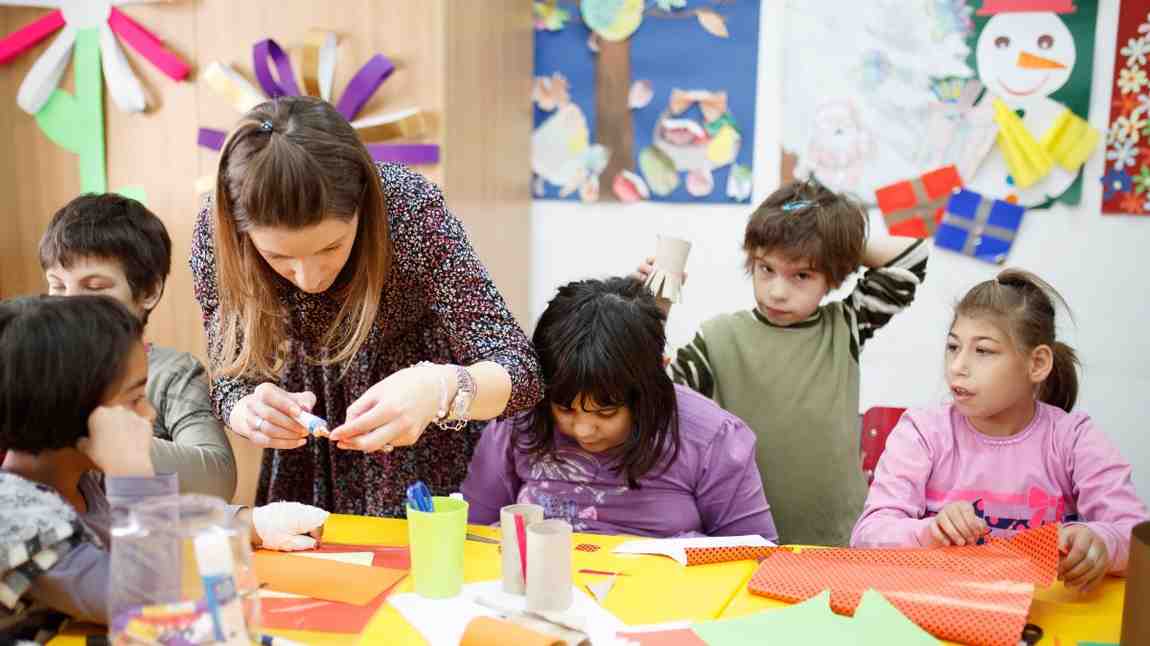
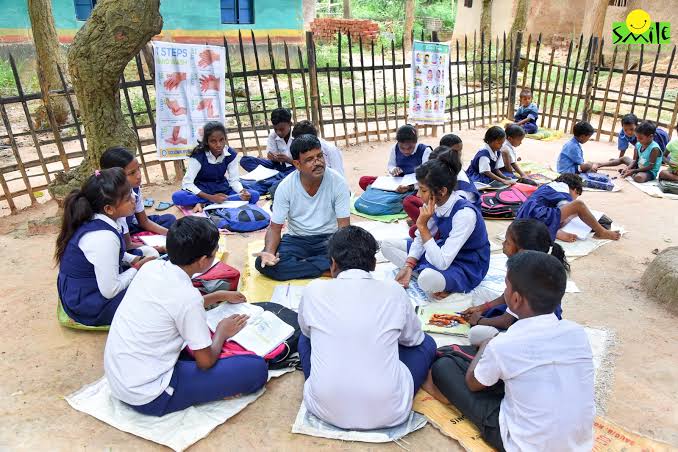
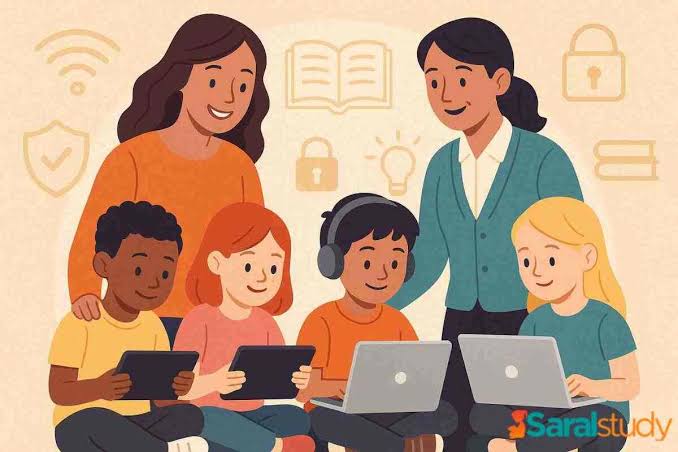
The silence you’d normally expect is replaced by a low hum of activity. Students are not just sitting and copying—they’re talking, thinking, trying, sometimes even getting things wrong and laughing about it. And that’s exactly the point.
In one corner, a small group of children is working through a math problem together, using everyday objects to understand a concept that once felt abstract. Nearby, another group is reading a short story out loud, stopping in between to discuss what they think will happen next. The teacher isn’t standing at the front delivering a lecture—instead, they move around the room, guiding conversations, asking questions, and encouraging students to explain their thinking.
What stands out most is the shift in energy. Children who once avoided eye contact are now raising their hands. Those who used to hesitate are slowly finding their voice. Learning is no longer something being “given” to them—it’s something they are actively part of.
Mistakes are no longer seen as failure. They become part of the process. When a student gives a wrong answer, the discussion doesn’t end there. Instead, it opens up a conversation—why did you think that? What could be another way to look at it? This kind of environment builds not just understanding, but confidence.
Even simple lessons begin to feel different. A science topic might turn into a small experiment using locally available materials. A language class might involve storytelling, role play, or sharing personal experiences. Concepts are no longer distant—they feel real and relatable.
This is the real impact of skill based learning rural classrooms india ngo initiatives. They don’t just change how subjects are taught—they change how children experience learning itself.
And once that experience changes, everything else begins to follow.
The Core Skills Unessa Foundation Builds in Rural Students
Unessa Foundation focuses on skills that go beyond academics.
🧠 1. Critical Thinking
Students learn to:
- Analyze problems
- Think independently
- Make decisions
🗣️ 2. Communication Skills
Children are encouraged to:
- Speak in class
- Express ideas
- Build confidence
🤝 3. Collaboration
Group activities teach:
- Teamwork
- Respect for others
- Shared problem-solving
🔧 4. Practical Life Skills
Students learn:
- Real-world applications
- Basic financial awareness
- Everyday problem-solving
📚 5. Strong Foundations
Even with skill-based learning:
- Reading skills improve
- Math understanding strengthens
- Concept clarity increases
Measuring Impact: Before and After Skill-Based Learning
📊 Before Skill-Based Learning
- Low classroom participation
- Weak understanding
- Fear of speaking
- High dropout risk
🚀 After Skill-Based Learning
- Active student engagement
- Better concept clarity
- Improved confidence
- Higher attendance
📈 Real Impact Indicators
- Students ask more questions
- Teachers report better engagement
- Parents notice behavioral changes
When we talk about change in education, it’s easy to focus only on marks and test scores. But the real impact of skill-based learning is much deeper. It shows up in how students behave, how they think, and how they participate in everyday classroom activities.
Before skill-based learning is introduced, many classrooms follow a predictable pattern. Students listen, copy, and memorise. Participation is limited, and only a few students actively engage while others remain silent. Learning often feels like a routine rather than an experience.
Once skill-based learning becomes part of the classroom, this dynamic begins to shift. Students start participating more, asking questions, and connecting concepts to real-life situations. The classroom becomes more interactive, and learning becomes more meaningful.
🌱 Key Changes You Can Observe
- Students begin to ask questions instead of staying silent
- Learning shifts from memorising to understanding
- Children show more confidence in expressing ideas
- Classrooms feel more energetic and engaging
👉 Supported by data on importance of foundational learning in India : UNICEF
The Role of Teachers in Making Skill-Based Learning Work
While new methods and activities play an important role, the real driving force behind this transformation is the teacher.
In traditional classrooms, teachers often carry the entire responsibility of delivering lessons. The focus is on completing the syllabus, which leaves little room for experimentation or interaction. But in a skill-based learning environment, the teacher’s role evolves.
Instead of being the only source of knowledge, teachers become facilitators of learning. They guide discussions, encourage students to think independently, and create space for participation. This shift may seem small, but it has a powerful impact on how students learn.
However, this change is not always easy. Many teachers have worked within the traditional system for years, and adapting to a new approach requires support, training, and confidence. This is where NGO-led initiatives make a significant difference.
By providing practical training, classroom tools, and continuous guidance, they help teachers gradually adopt more interactive methods. Over time, teachers begin to see the results for themselves—more engaged students, better understanding, and a more dynamic classroom environment.
When teachers feel supported, they are more open to change. And when they embrace this shift, the entire classroom transforms.
Challenges in Bringing Skill-Based Learning to Rural Classrooms
While the benefits of skill-based learning are clear, bringing it into rural classrooms is not always straightforward. The journey is often filled with practical and human challenges that go beyond just introducing new teaching methods.
In many schools, the first hurdle is not willingness—but limitation.
⚠️ Key Challenges on the Ground
- Limited resources: Many classrooms lack basic materials, making it difficult to conduct interactive or activity-based sessions
- Infrastructure gaps: Small classrooms, lack of electricity, or seating issues can restrict movement and group activities
- Exam pressure: Teachers often feel the need to complete the syllabus quickly due to exam-focused systems
- Mindset resistance: Both students and teachers are used to traditional learning, so adapting to a new method takes time
- Teacher workload: Already overburdened teachers may find it challenging to adopt new approaches without support
Even with these challenges, the situation is not static. What makes a difference is how these barriers are approached.
🔄 Traditional vs Reality on the Ground
Expectation
Reality in Rural Classrooms
Easy adoption of new teaching methods
Requires gradual training and adaptation
Students will engage immediately
Initial hesitation and lack of confidence
Activities need advanced tools
Often done using simple, local resources
Teachers will easily switch methods
Needs continuous support and motivation
What’s important to understand is that change doesn’t happen in a straight line. There are moments of progress and moments of resistance. A new activity may not work the first time. Students may hesitate before participating. Teachers may need time to feel confident. But this is exactly where grassroots efforts make a difference.
Instead of forcing a sudden shift, NGOs introduce small, manageable changes. A simple group activity. A new way of asking questions. A different approach to explaining a concept. These small steps slowly build familiarity and trust.
🌱 What Actually Helps Overcome These Challenges
- Consistent teacher support and training
- Using low-cost, local materials for activities
- Encouraging gradual participation instead of forcing it
- Aligning skill-based learning with existing syllabus
- Building trust within the community
Over time, these small efforts begin to show results. Classrooms become more open, students more confident, and teachers more comfortable with new methods. This journey may not be easy, but it is necessary. And that’s why skill based learning rural classrooms india ngo initiatives are so important—they don’t just introduce change, they sustain it in environments where it’s needed the most.
Conclusion
The shift happening in rural classrooms across India is quiet, but it is powerful. Moving beyond textbooks is not just about changing teaching methods—it’s about changing how children experience learning. When students begin to understand concepts, ask questions, and express themselves confidently, education starts to serve its true purpose.
The impact of skill based learning rural classrooms india ngo initiatives lies in these everyday transformations. A child who once hesitated to speak now shares ideas freely. A classroom that once felt rigid now feels alive with curiosity and participation. These are the changes that don’t just improve academic performance—they shape futures.
Real change in education doesn’t happen overnight, but it does happen consistently when the right approach is applied. And with continued support, more classrooms can experience this shift.
If we want an education system that prepares children not just for exams but for life, this is the direction we need to move in.
👉 Help Unessa Foundation bring skill-based learning to more rural children. Donate or volunteer today and be part of this change.
FAQ — People Also Ask
1. What is skill-based learning in rural classrooms in India?
Skill-based learning focuses on developing practical abilities such as critical thinking, communication, and problem-solving, rather than just memorising textbook content. It helps students understand concepts and apply them in real-life situations.
2. Why is traditional textbook learning not effective in rural schools?
Traditional learning often relies on memorisation, which limits understanding and application. Many students struggle to connect what they learn in class with real-world situations, which affects both confidence and long-term learning outcomes.
3. How do NGOs support skill-based learning in rural India?
NGOs introduce interactive teaching methods, provide teacher training, and design activity-based learning programs. These efforts make classrooms more engaging and help improve both understanding and participation among students.
4. What impact does skill-based learning have on students?
Students become more confident, actively participate in class, and develop better problem-solving skills. It also improves their ability to communicate and apply knowledge beyond exams.
5. How can I support skill-based learning initiatives in India?
You can contribute by donating, volunteering, or spreading awareness about education programs. Supporting organisations like Unessa Foundation helps bring these learning methods to more rural classrooms.