


Why Community Is the Most Underutilized Education Resource
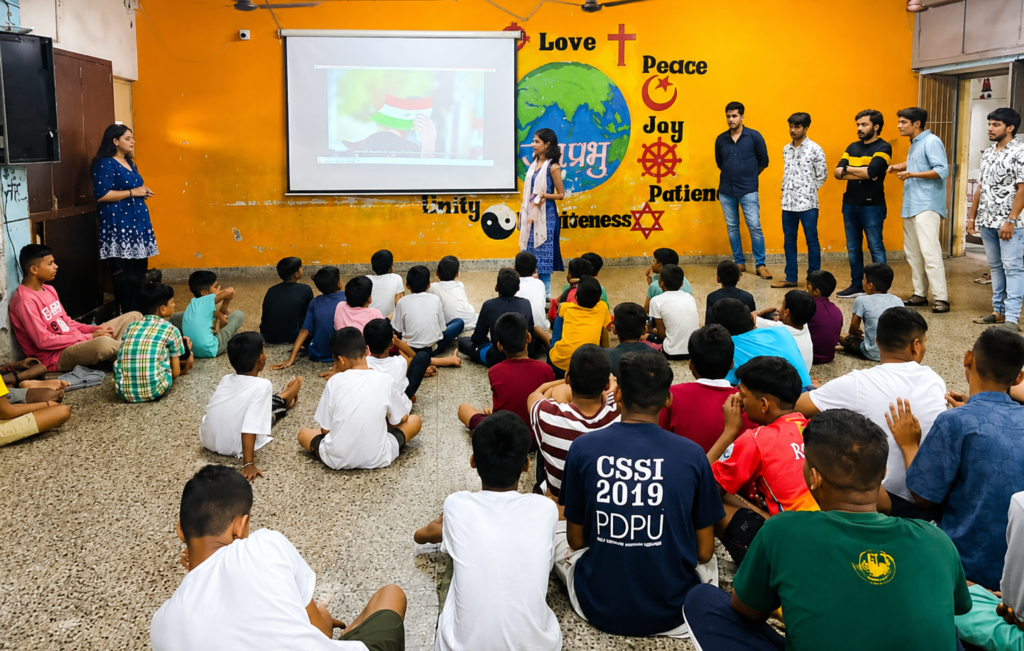
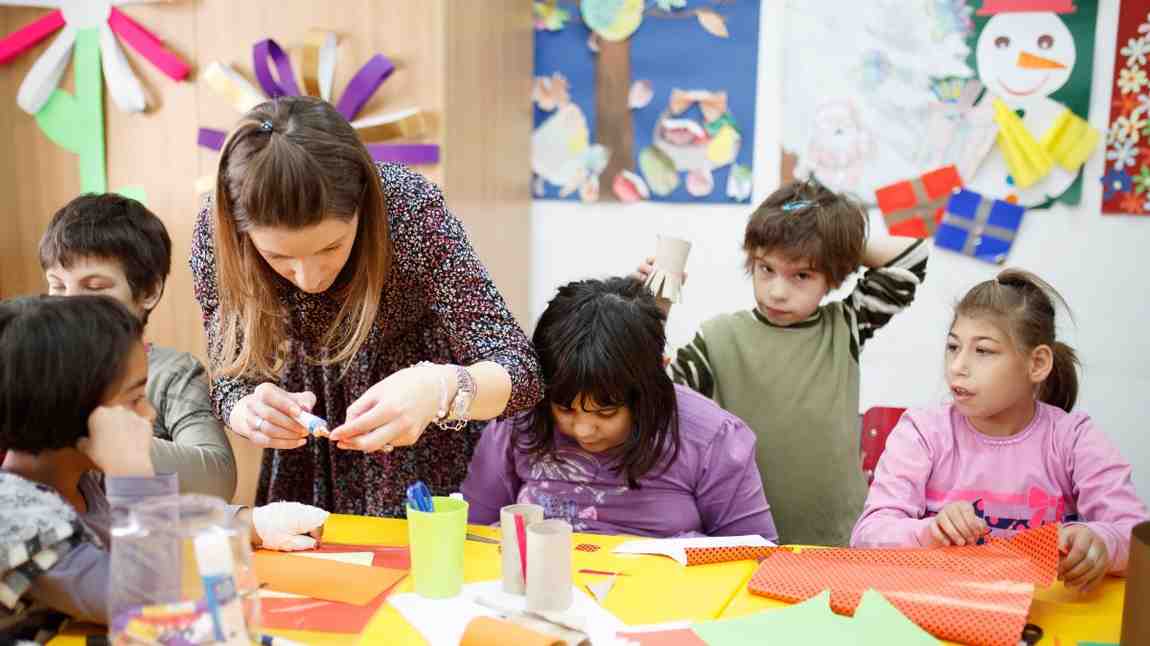
There is no intermediary between a volunteer teacher and a child who learns to read for the first time. That moment — when a child recognizes letters, forms words, and begins to understand the world through language — is direct, personal, and transformative. Strategies to Boost Underprivileged Education often focus on placing qualified, motivated individuals directly into underserved classrooms, after-school centers, and community learning spaces — environments where resources are limited but the need for guidance is immense. In these spaces, a volunteer’s knowledge, time, and attention become the most valuable educational resource a child has access to.
These strategies are particularly powerful because they address gaps that traditional systems often cannot fill quickly enough — such as individualized attention, mentorship, and foundational skill-building. According to Teach For India, volunteer teachers who commit full-time for two years produce an average of 1.5 additional years of learning gains in their students over the same period. This demonstrates that consistent human engagement, even more than infrastructure, can dramatically accelerate learning outcomes for underprivileged children.
However, strategies to boost underprivileged education are not just about short-term academic gains or improved test scores. Their impact extends far beyond the classroom. For the child, it builds confidence, curiosity, and a belief that learning is possible despite difficult circumstances. For the volunteer, it becomes a deeply transformative experience — fostering empathy, strengthening communication skills, and developing adaptability in challenging environments. Volunteers gain firsthand exposure to structural inequalities, helping them understand the broader social and economic barriers that affect access to education.
Over time, this dual impact creates a ripple effect. Many volunteers go on to advocate for education reform, support nonprofit initiatives, or contribute to social impact sectors in meaningful ways. At the same time, children who receive consistent support are more likely to stay in school, perform better academically, and pursue opportunities that were previously out of reach.
In this way, volunteer-driven strategies do more than improve education outcomes — they build bridges between communities, create informed changemakers, and contribute to a more equitable society. It is one of the few interventions that creates lasting, meaningful impact on both sides of the classroom.
👉 Click here to know about How to Raise Funds for Underprivileged Kids Education: 10 Strategies That Work
The Accountability Advantage of Community-Led Education
Community ownership creates internal accountability, making education initiatives more sustainable and impactful over time. When communities are not just beneficiaries but active participants in the design and implementation of education programs, they develop a sense of responsibility toward their success. Parents who help shape these programs are far more likely to ensure their children attend regularly, monitor their progress, and prioritize education despite economic or social challenges.
Local leaders also play a critical role in strengthening this ownership. When they publicly commit to education goals, they influence community attitudes, build trust, and often mobilize additional resources — whether through local fundraising, volunteer support, or partnerships with organizations. Their involvement sends a strong message that education is not just an external initiative but a shared community priority.
Case Study – Telangana School Revival:
- Background: A government school in Telangana had chronically poor learning outcomes and an uninvolved parent community.
- Challenge: Teachers and principals had low morale; parents felt education was not their concern.
- Actions Taken: An NGO facilitated School Management Committee training, ran parent awareness workshops, and helped parents create a school improvement plan.
- Outcome: Within one year, parent attendance at school meetings rose from 4% to 71%, infrastructure improvements were completed using community labor, and student attendance increased by 18%.
- Lesson: Activated communities transform school performance from the outside in.
Pro Tips:
- Start community education mobilization with a listening exercise — understand what parents value and fear before proposing solutions.
- Identify and empower natural community educators — often retired teachers, educated women, or respected elders — who can lead programs with minimal external support.
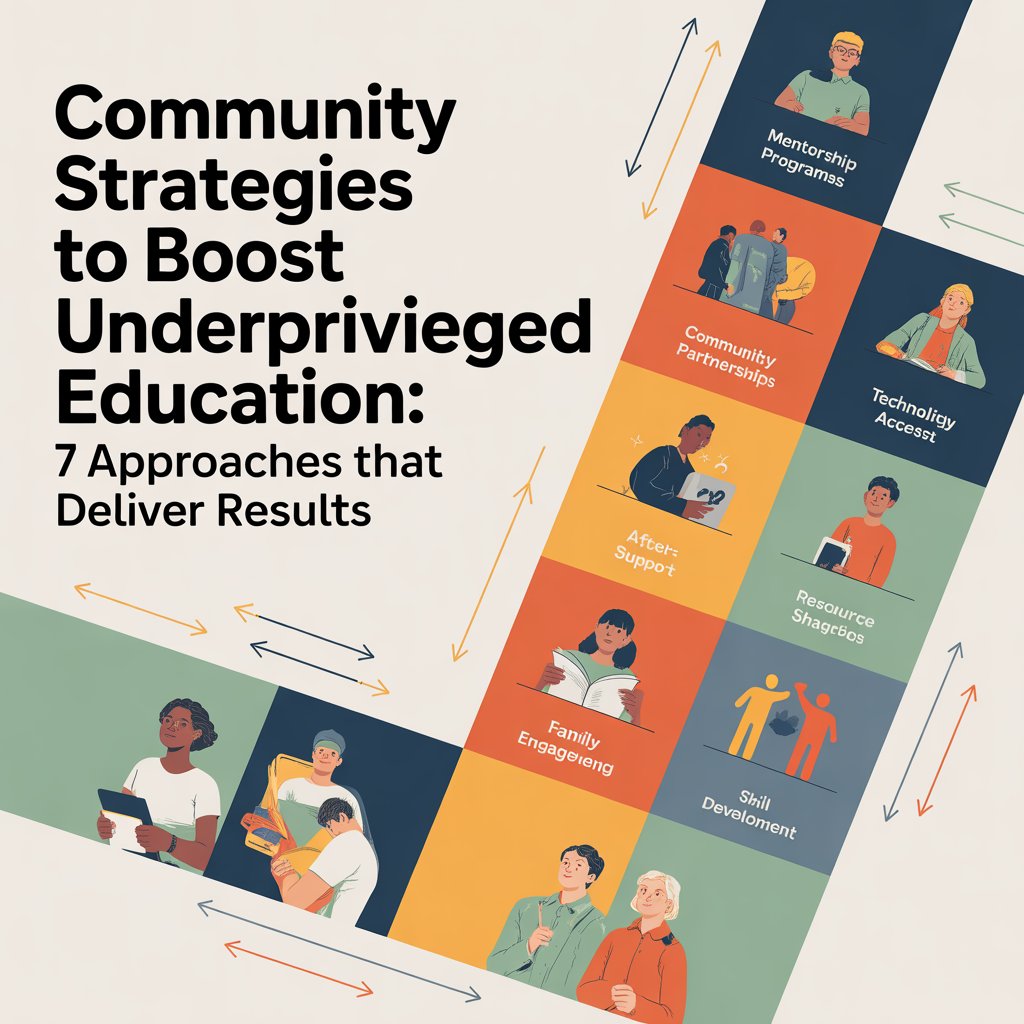
7 Community Strategies That Boost Underprivileged Education
Not all volunteer teaching roles are the same. Understanding the type helps you choose the right fit.
1. Community Learning Centers
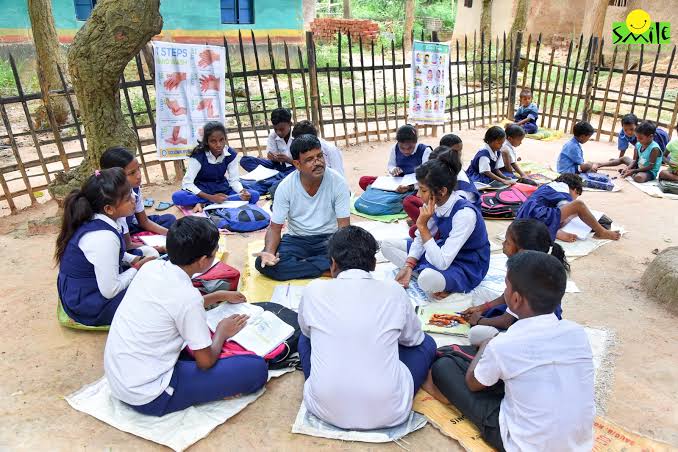
Convert underused spaces — a room in a temple, a panchayat hall, or a shop verandah — into supervised study and tutoring spaces after school. Children benefit from a structured environment, and local volunteers gain a sense of purpose.
2. Parent Education Committees
Train parents to monitor attendance, identify children at risk of dropping out, and advocate for quality improvements. Educated parents often inspire neighboring families to invest in their children’s education.
3. Local Mentor Networks
Connect educated adults — teachers, engineers, doctors, entrepreneurs — with children for regular mentorship. Mentors provide guidance, career advice, and motivation while modeling the benefits of education.
4. Community Library Programs
Stock central spaces with books and create a reading culture through storytelling, read-alouds, and literacy competitions. Even a small library managed by the community can dramatically improve literacy rates.
5. Neighborhood Watch for Education
Engage volunteers to identify out-of-school children and connect them with enrollment support, bridge courses, or supplementary education programs.
6. Local Business Sponsorship
Encourage shops and small businesses to sponsor one child’s education annually. This visible form of community investment encourages others to contribute and strengthens the social fabric.
7. Village Education Committees
Formalize community governance of education by creating representative bodies responsible for school oversight, dropout prevention, and resource mobilization.
Additional Strategy – Technology-Enabled Learning
Some communities leverage tablets or digital classrooms. Unessa Foundation piloted tablet programs in rural Maharashtra, which increased learning outcomes by nearly two grade levels in 18 months. Integrating technology with community-led support maximizes impact.
How Culture and Tradition Can Be Leveraged for Education
Education works best when it aligns with cultural norms rather than clashes with them. Storytelling is powerful in oral traditions; elder-led literacy programs carry authority in communities that respect elders. Understanding local culture ensures programs are accepted and effective.
Case Study – Tribal Bilingual Curriculum, Jharkhand:
- Background: A tribal community resisted sending children to school because the curriculum was in Hindi with no connection to their language or culture.
- Challenge: Dropout rates exceeded 60% by Class 5.
- Actions Taken: An NGO collaborated with community elders to develop bilingual materials incorporating tribal history, stories, and practices. Local educators were trained to co-teach in the tribal language.
- Outcome: Dropout rates fell to below 15% in two years.
- Lesson: Cultural relevance is an educational necessity, not an optional accommodation.
Pro Tips:
- Learn enough about local culture to identify its educational strengths.
- Celebrate achievements publicly — literacy milestones, scholarships, and school completion ceremonies strengthen community pride.
Sustaining Community Education Beyond Project Timelines
Too many successful pilots fail once funding ends. Programs must be designed for sustainability:
- Community members in recognized leadership roles
- Local funding mechanisms
- Governance structures that outlast any organization’s involvement
Building local capacity — training educators, creating resource libraries, documenting progress, connecting to government schemes — ensures long-term impact. Unessa Foundation models are specifically designed for transition to full community ownership within a defined timeframe.
Measuring Community Education Impact
Metrics for success include enrollment, attendance, retention, learning outcomes, and parent engagement. Social indicators are equally important: changes in attitudes toward girls’ education, reductions in child marriage, community contributions to schools, and emergence of local education leaders. These social measures often predict sustainability better than purely academic outcomes.
Case Study – Maharashtra Community Program:
- Background: Unessa Foundation ran a three-year community education program and evaluated sustainability two years post-intervention.
- Challenge: Could programs continue without external support?
- Outcome: 73% of learning centers remained operational, led entirely by trained community educators funded via small local fees and government support.
- Lesson: Programs with trained local leadership can sustain themselves beyond the funder’s involvement.
Pro Tips:
- Involve the community from day one — ownership begins with co-creation.
- Create formal handover plans at the program’s start, not as an afterthought.
👉 Click here to know about How to Support Education for Poor Children: 8 Practical Strategies That Work
Conclusion
The best education for underprivileged children grows from within the community that knows them best. The seven strategies outlined here are proven approaches that have transformed learning outcomes across India. Resources are nearby, leaders already exist, and the community’s commitment can change lives. By supporting Unessa Foundation, you contribute to sustainable community education programs that empower children for generations.
Support Unessa Foundation
Visit unessa.org to donate, volunteer, or partner in transforming education for underprivileged children across India.
Frequently Asked Questions
What is community education?
Community education refers to education programs designed, led, and governed by community members to address local learning needs, especially for underprivileged children.
How can communities reduce school dropout rates?
Neighborhood education watches, parent engagement programs, bridge courses, and culturally relevant curricula make schooling meaningful and encourage retention.
What role do parents play in community education?
Parents are the most critical actors. Their involvement significantly improves attendance, quality, and outcomes.
How can local businesses contribute?
Businesses can sponsor children, provide resources, or offer mentorship. Community investment strengthens social accountability.
Can technology be used in community education?
Yes. Tablets, mobile learning apps, and online mentoring programs supplement local support and expand reach.