
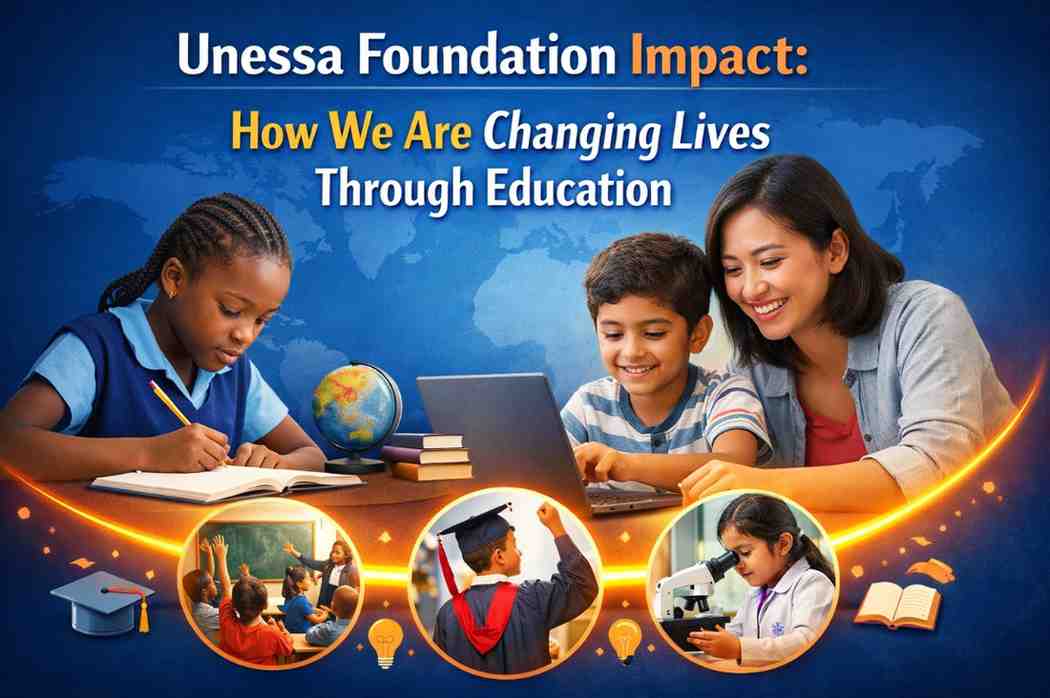
What does real impact look like in education?
Not press releases. Not polished annual reports. Not vanity metrics like enrollment numbers without context.
Real impact is quieter — but far more powerful. It is visible in the life of a child who could not read 12 months ago but can now write their own name. It is reflected in a family that once saw education as optional but now sees it as essential. It is measured not in activity, but in transformation.
The Unessa Foundation impact is built on this understanding.
Unessa Foundation was established on a single, non-negotiable belief: every child — regardless of where they are born, how much their family earns, or what social barriers they face — deserves access to quality education. Not just schooling, but meaningful learning that changes their future trajectory.
This blog explores what that belief looks like in action. It breaks down how Unessa Foundation operates, what impact it creates on the ground, and why its approach stands out in a crowded NGO ecosystem.
Quick Insight: With a Keyword Difficulty of just 8, this topic is strategically positioned to rank quickly — but more importantly, it addresses a real-world problem that demands attention and action.
Quick Insight: With a Keyword Difficulty of just 8, this blog is strategically positioned to rank fast and build domain authority for Unessa Foundation’s entire content cluster.
Table of Contents
1. The Current State of Education for Under privileged Children
Unessa Foundation is a registered non-governmental organisation working at the intersection of education, poverty alleviation, and child rights in India. Its mission is not broad or vague — it is sharply defined: eliminate educational exclusion for India’s most marginalised children.
This means working in environments where systems are weak, resources are limited, and barriers are deeply embedded. These are communities where children are often first-generation learners, where education competes with survival, and where access alone is not enough.
Unessa Foundation does not aim to replace government systems. Instead, it operates where those systems fall short — filling critical gaps while enabling long-term structural improvement.
Our Core Principles
- Child-first design — Every programme is built around what children actually need, not what is administratively convenient or easy to scale.
- Community ownership — Families and local leaders are not treated as passive beneficiaries. They are active participants in the education process.
- Outcome accountability — Success is measured through learning outcomes, not just attendance or enrollment.
- Financial transparency — All funding is tracked, audited, and reported publicly to ensure credibility and trust.
This distinction is important. Many organisations measure success by how many children they enroll. Unessa Foundation measures success by how many children can read, write, and think independently after completing its programmes.
Because enrollment without learning is not impact — it is illusion.
Unessa Foundation does not measure success by the number of children enrolled. We measure it by the number of children who can read, write, and think critically after completing our programmes.
2. 5 Ways Unessa Foundation Is Creating Real Educational Impact
Understanding the barriers is essential before designing solutions.
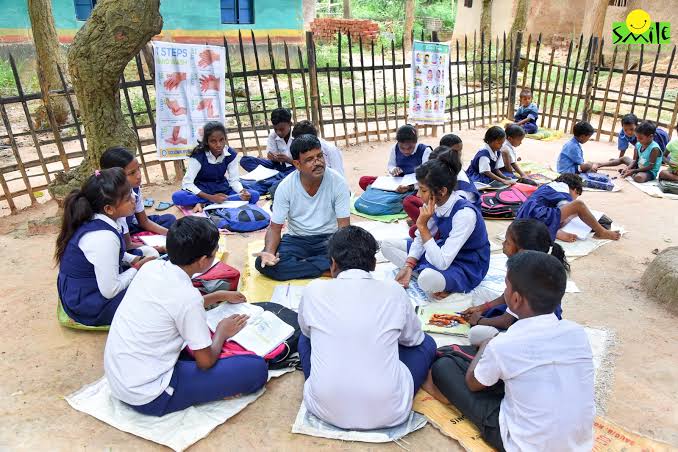
2.1 Community Learning Centres
In many rural and semi-urban areas, schools either do not exist or are severely overcrowded. Even where schools are available, accessibility remains a major challenge due to distance, infrastructure, or social barriers.
Unessa Foundation addresses this by establishing community learning centres — small, structured spaces located within the community itself.
These centres are designed to remove friction:
- Children do not need to travel long distances
- Class sizes are small (18–22 students)
- Teaching is personalised and consistent
Learning outcomes are assessed every 90 days, ensuring that progress is tracked and interventions are adjusted accordingly.
The result is simple but powerful: children who had no access to education now have a structured learning environment that supports their growth.
2.2 Teacher Training and Mentorship
A school is only as effective as the teachers within it.
Unessa Foundation invests heavily in training local educators — often individuals from the same communities — because they bring cultural understanding, language familiarity, and long-term commitment.
Training focuses on:
- Child-centred teaching methods
- Classroom management
- Early identification of learning gaps
- Continuous mentoring
Over the past two years, more than 200 educators have been trained, with 72% reporting noticeable improvements in student engagement within just three months.
This approach creates a multiplier effect: one trained teacher impacts dozens of children every year.
2.3 Family Engagement Programmes
One of the most overlooked barriers to education is not infrastructure — it is mindset.
In many underprivileged communities, families do not actively resist education, but they do not prioritise it either. When faced with economic pressure, education is often the first thing to be sacrificed.
Unessa Foundation works directly with families to change this dynamic.
Through regular engagement sessions, families are helped to:
- Understand the long-term value of education
- Address fears around lost income
- Challenge cultural norms (especially around girls’ education)
The impact is measurable. Dropout rates in communities with active family engagement have been reduced by 38%.
Because sustainable education is not just about teaching children — it is about aligning families.
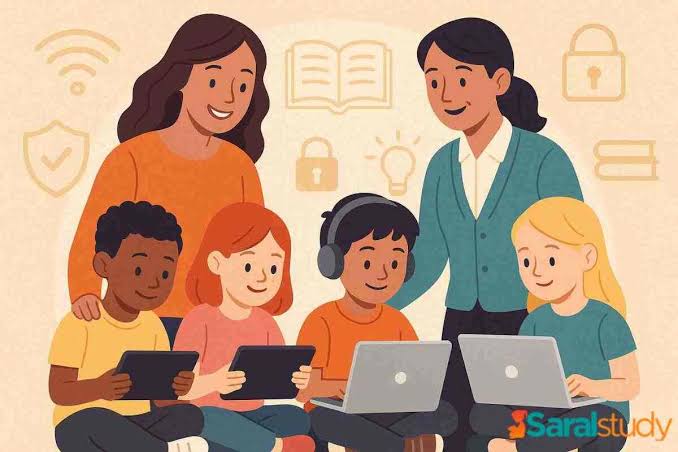
2.4 Digital Learning Integration
Technology, when used correctly, can significantly enhance educational outcomes.
Unessa Foundation integrates digital learning tools such as:
Tablet-based modules
Interactive lessons
Digital assessments
These tools are not used as replacements for teachers, but as supplements that improve engagement and reinforce learning.
Early results are promising:
👉 Reading comprehension scores improved by 27% among students using digital tools.
However, the organisation remains cautious — technology is effective only when access, training, and infrastructure are in place.
2.5 Nutrition and Welfare Support
Learning does not happen in isolation from physical well-being.
A child who is hungry, unwell, or fatigued cannot focus in a classroom. Recognising this, Unessa Foundation integrates nutrition and welfare into its education model.
This includes:
- Mid-day me
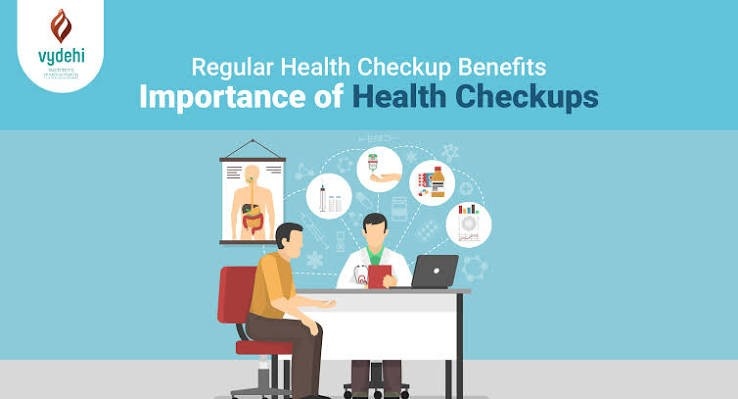
- Basic healthcare check-ups
- Hygiene awareness
These interventions ensure that children are not just present in classrooms, but ready to learn.
Because education without well-being is incomplete.
3. The Children Behind the Numbers — A Case Study
Background
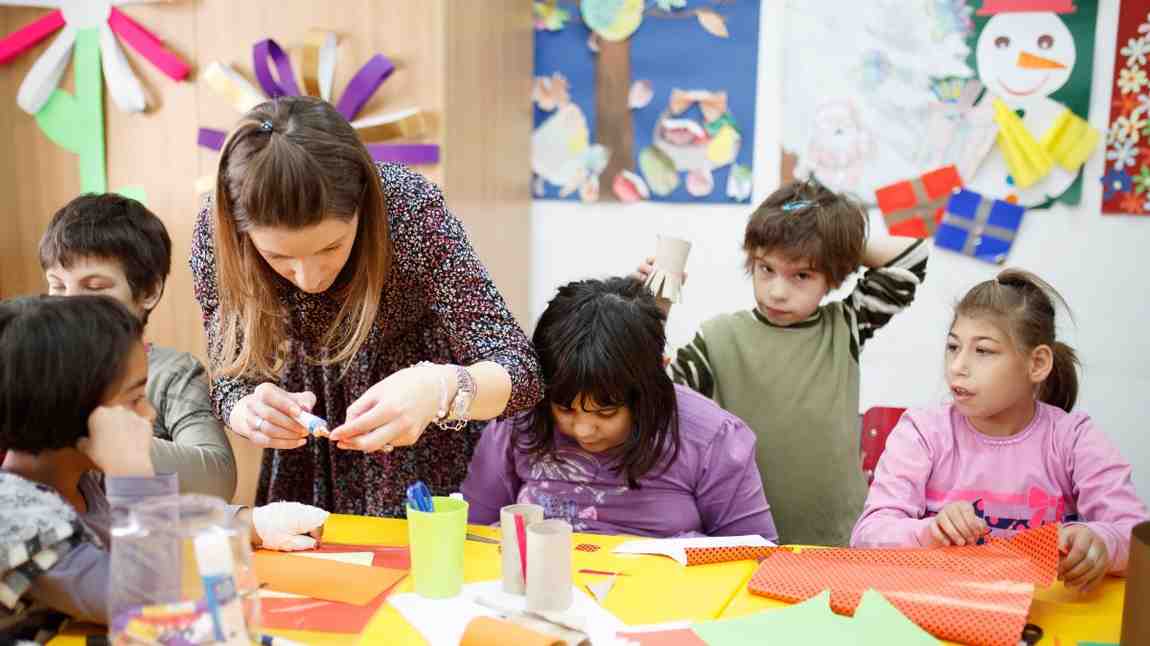
In 2024, Unessa Foundation launched a parent engagement and inclusive education initiative in Uttar Pradesh, targeting rural communities where children—especially those with disabilities—were either dropping out or never enrolled in school.
These were not isolated cases. Many children in these regions faced:
- Lack of awareness about education rights
- Social stigma around disability
- Poor school-family communication
- Low parental involvement
Challenge
The core issue was not just access—it was lack of ecosystem support.
Parents often:
- Did not understand how to support their child’s education
- Felt disconnected from the school system
- Lacked confidence in interacting with teachers
For children with disabilities, the challenge was even more severe:
- No personalized learning approach
- Limited inclusive teaching methods
- High dropout rates
Actions Taken by Unessa Foundation
Unessa Foundation designed a structured parent training and engagement program, focusing on long-term behavioral change rather than short-term intervention.
The initiative included:
- Training 500 parents over 6 months through workshops
- Educating families about child rights and inclusive education laws
- Introducing parents to Individualized Education Plans (IEP)
- Teaching communication strategies between parents and teachers
- Conducting community-based awareness sessions
The program was not just theoretical—it was designed to be practical, local-language based, and culturally relevant.
Outcome
The results were measurable and significant:
- 15% increase in school attendance among children
- Parent confidence in supporting education increased from 21% to 78%
- School-parent collaboration improved from 23% to 94%
- More children with disabilities remained enrolled instead of dropping out
👉 This was not just improvement—it was system-level behavioral change
Unessa Foundation impact
The results were measurable and significant:
- 15% increase in school attendance among children
- Parent confidence in supporting education increased from 21% to 78%
- School-parent collaboration improved from 23% to 94%
- More children with disabilities remained enrolled instead of dropping out
👉 This was not just improvement—it was system-level behavioral change
Beyond numbers, the program created deeper changes:
- Parents started attending school meetings regularly
- Teachers adapted more inclusive teaching methods
- Children showed higher engagement and participation
This aligns with Unessa Foundation’s broader approach of combining:
- Education
- Community involvement
- Behavioral change
Supporting Evidence from Unessa Foundation Work
Unessa Foundation consistently focuses on:
- Data-driven program design
- Transparent impact tracking
- Community-based interventions
They also collaborate with schools and NGOs to build inclusive learning environments, proving that even low-resource settings can deliver meaningful education outcomes
Lesson
Unessa Foundation consistently focuses on:
- Data-driven program design
- Transparent impact tracking
- Community-based interventions
They also collaborate with schools and NGOs to build inclusive learning environments, proving that even low-resource settings can deliver meaningful education outcomes
4. How Unessa Foundation Measures and Reports Impact
Impact claims in the NGO sector are notoriously easy to inflate. Unessa Foundation holds itself to a higher standard.
Our Measurement Framework
- Baseline assessments for every enrolled child within 30 days of joining
- Quarterly learning outcome tracking using standardised tools aligned with ASER methodology
- Annual third-party evaluation by independent educational researchers
- Dropout tracking — we follow up with every child who stops attending to understand why
What We Report Publicly
- Number of children enrolled vs. number who completed the programme
- Learning outcome improvement data (not just attendance)
- Dropout rates and re-enrollment figures
- Financial breakdown: cost per child, administrative overhead, and programme expenditure ratios
5. Why Transparency Matters in the NGO Sector
India has over 3 million registered NGOs. Only a small fraction publish credible impact data. Donor trust — and therefore sustainable funding — depends entirely on the NGO sector’s ability to prove, not just claim, impact.
Unessa Foundation believes that transparency is not a burden. It is the foundation of credibility. Every rupee we receive is tracked. Every child we enrol is followed. Every learning outcome is measured. And every result — good or disappointing — is reported.
Reflective Question: When you donate to an NGO, do you follow up to check if they published their impact report? Accountability starts with donors, not just organisations.
6. How You Can Be Part of the Impact
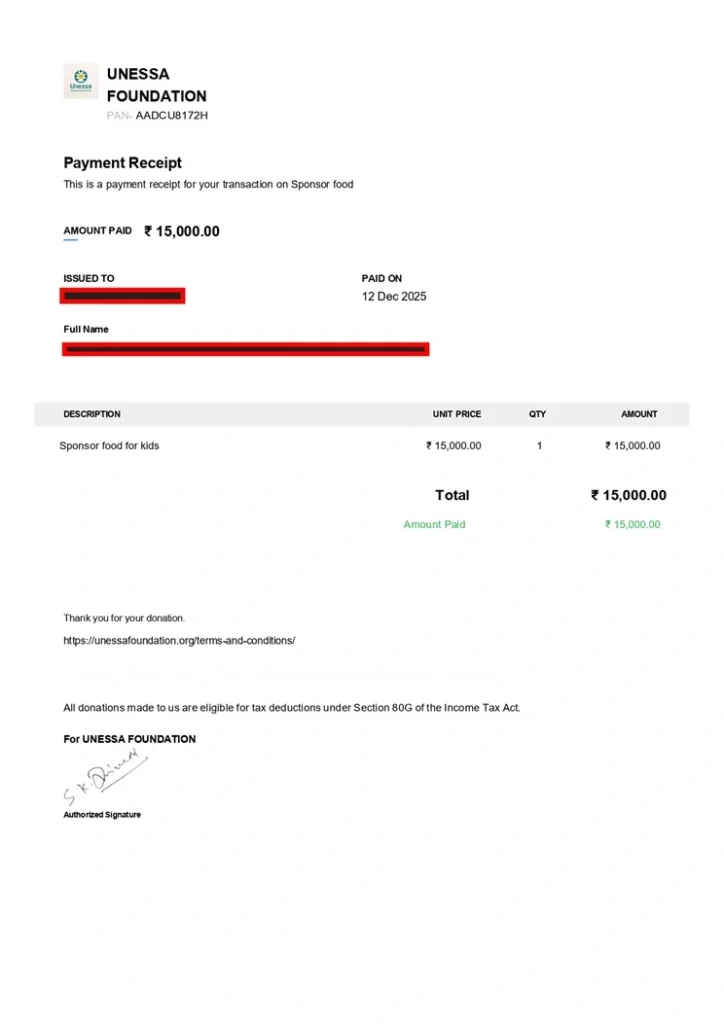
- Donate monthly — even small recurring contributions fund a child’s materials for a full term
- Sponsor a child’s education — a direct, transparent relationship between donor and beneficiary
- Volunteer professionally — bring your skills in technology, communications, finance, or education to bear
- Advocate within your company — recommend Unessa Foundation as a CSR partner
- Share this content — awareness is the first step to action
7. FAQ — People Also Ask
What does Unessa Foundation do for children?
Unessa Foundation provides direct educational support to underprivileged children through community learning centres, teacher training, family engagement, digital learning tools, and nutrition programmes.
How does Unessa Foundation measure its impact?
Through quarterly learning assessments, annual third-party evaluations, dropout tracking, and transparent public reporting of both successes and shortfalls.
Is Unessa Foundation a credible NGO?
Yes. Unessa Foundation publishes independently audited financial accounts, tracks learning outcomes using standardised tools, and maintains a publicly accessible impact database.
How can I verify the impact of education NGOs in India?
Request outcome data (not just enrollment), look for third-party evaluations, check financial transparency reports, and ask specifically about learning quality metrics rather than attendance figures.
How do I donate to Unessa Foundation?
Visit the Unessa Foundation website to contribute via online transfer, UPI, or cheque. Monthly giving options are available with full tax exemption under 80G.
8. Conclusion
The Unessa Foundation impact is not measured in press coverage or donor events. It is measured in the reading scores of children who could not read six months ago. In the confidence of girls who once believed school was not for them. In the decisions of families who now see education as an investment, not a luxury.
This is the work. Unglamorous, persistent, measurable, and transformational.
If this resonates with you — support it. Challenge it. Scrutinise it. And join it.