

Why After-School Hours Are the Most Critical for Underprivileged Students
For children from affluent families, after-school hours often involve quiet study time, extracurricular activities, and parental support. For underprivileged children, the situation is vastly different. Household chores, sibling care, or even paid labor frequently replace study time, and many children lack a quiet space, access to electricity, or guidance on difficult subjects like mathematics and science.
After-school programs for poor students help bridge this gap by providing a safe and structured environment. These after-school programs for poor students offer homework assistance, remedial instruction, and enrichment activities that reinforce learning and build essential skills. By attending after-school programs for poor students, children gain consistent academic support and a chance to thrive despite challenging home environments.
The Three-Hour Window That Changes Academic Outcomes
The period between 4 PM and 7 PM is crucial. Children are still mentally alert, and lessons from the school day are fresh in their minds. A well-structured after-school program that utilizes this window can have disproportionate academic impact relative to its cost.
Case Study:
Background: A learning center in Bhopal ran a two-hour after-school program for poor students, four days a week, for 60 children aged 8–14. Initial assessments showed that 70% of participants were below grade level in reading and mathematics.
Actions Taken: The after-school program for poor students used structured tutoring, peer learning, and activity-based reinforcement. Facilitators were trained community educators receiving a small stipend.
Outcome: After consistent attendance, 64% of students reached grade-level benchmarks in math and 58% in reading.
Lesson: Even a modest after-school program for poor students—two hours per session, four days a week—can produce significant gains when structured, well-facilitated, and tailored to student needs.
Pro Tips:
- Assess students by learning level, not grade, for more targeted support.
- Include brief recreational or creative activities in every session to keep children energized and motivated.
👉 Click here to know about The Community Strategies to Boost Underprivileged Education: 7 Approaches That Deliver Results
What Makes an After-School Program Effective for Poor Students
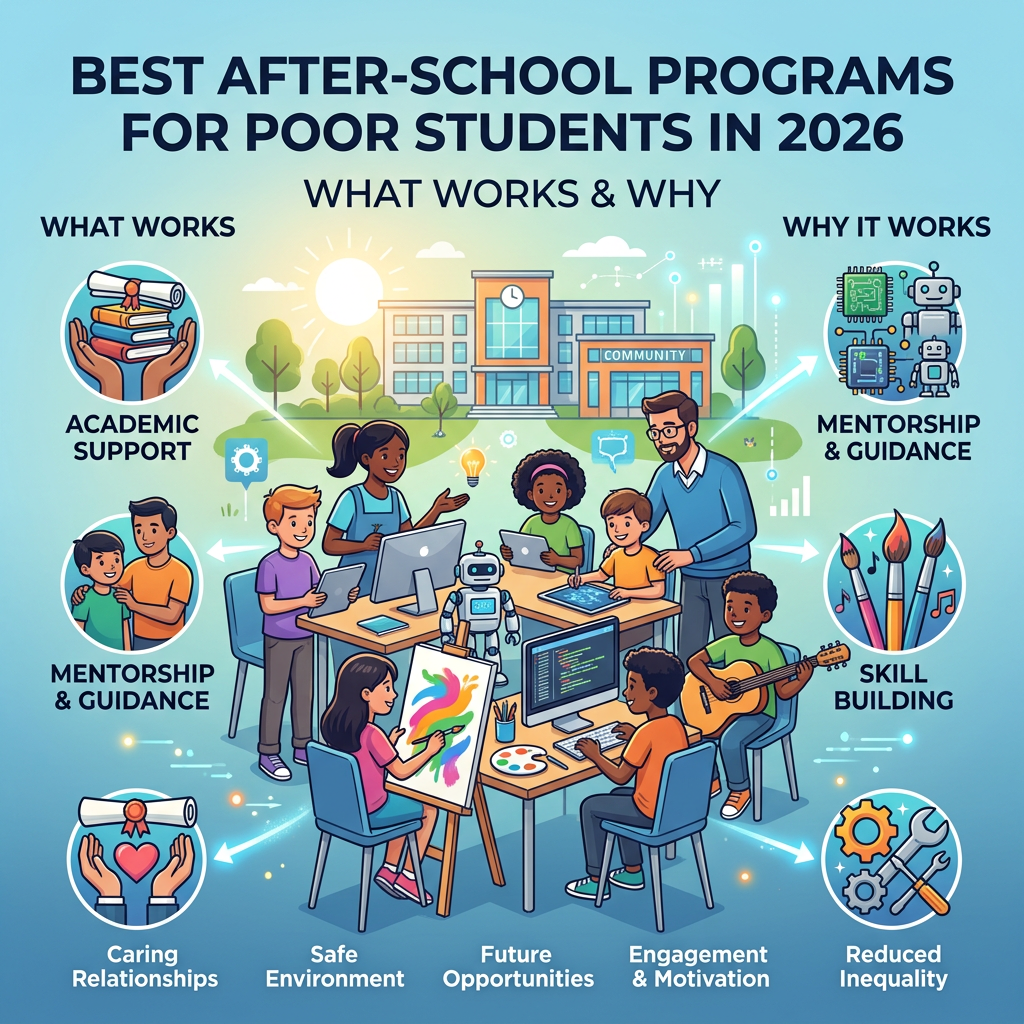
Not all after-school programs for poor students are equally effective. Research shows that the most successful after-school programs for poor students share five core characteristics:
- Trained, Consistent Facilitators: Children need reliable adults who understand pedagogy and child psychology.
- Curriculum Alignment: The after-school programs for poor students should reinforce the school-day syllabus for maximum impact.
- Structured Homework Support & Remedial Instruction: Targeted assistance ensures learning gaps are addressed promptly.
- Safety & Nutrition Support: A simple snack and safe learning space can significantly boost engagement.
- Parental Engagement: Consistent communication keeps parents informed and children accountable.
Ineffective programs often suffer from high facilitator turnover, unclear objectives, and no outcome measurement. Children may attend but learn very little—a hidden cost that undermines the purpose of after school support for poor children.
The Role of Enrichment Activities in After-School Programs
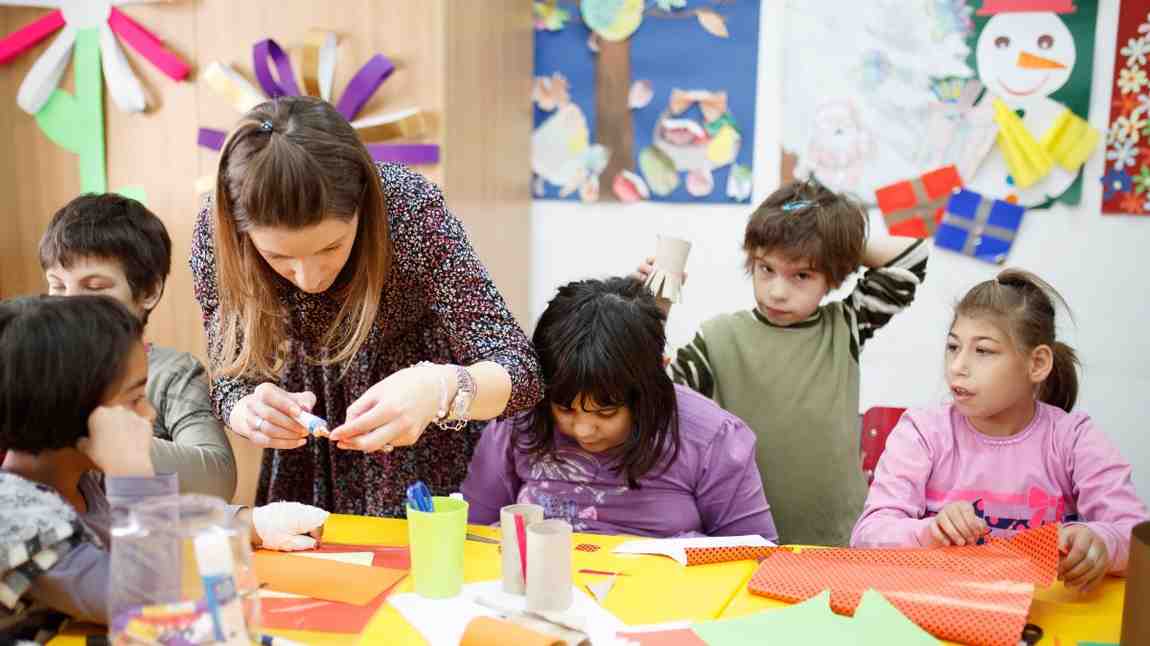
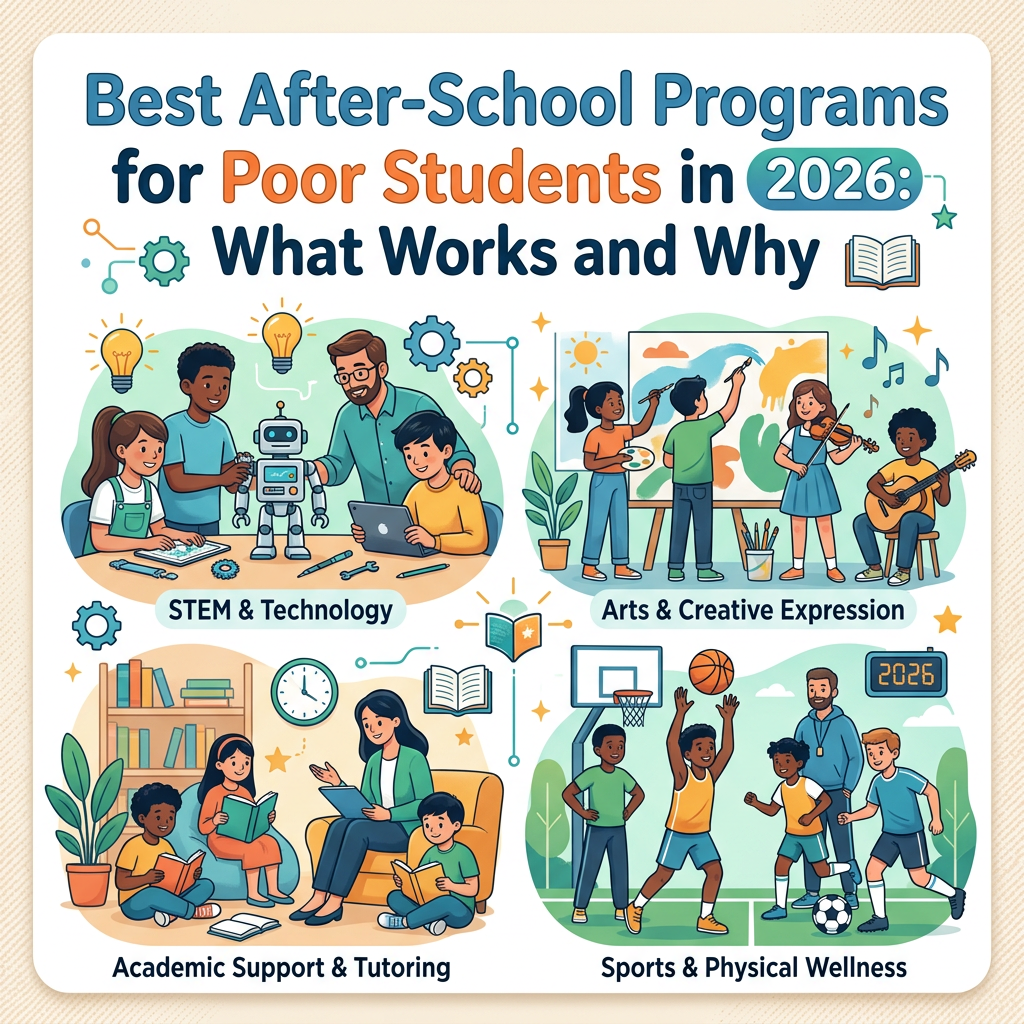
Enrichment activities—art, music, sports, coding, drama, and debate—are not optional in after-school programs for poor students. These after-school programs for poor students use enrichment to develop creativity, confidence, communication skills, and a sense of identity that academic instruction alone cannot build. By integrating such activities, after-school programs for poor students keep children engaged, motivated, and excited to learn, making academic support more effective.
Case Study:
- Background: An after-school program in Delhi added weekly theatre sessions to its standard tutoring schedule.
- Challenge: Attendance on tutoring-only days was 67%.
- Outcome: Theatre attendance rose to 91%, and tutoring attendance during the same week rose to 84%.
- Lesson: Enrichment activities act as a motivational engine, encouraging children to engage with academics.
Pro Tips:
- Survey children to design enrichment activities around their interests.
- Showcase student achievements through art exhibitions, plays, or coding demos to engage parents and the community.
How to Start, Fund, and Scale an After-School Program
Starting an after-school program requires planning, resources, and community engagement:
Safe, Accessible Space
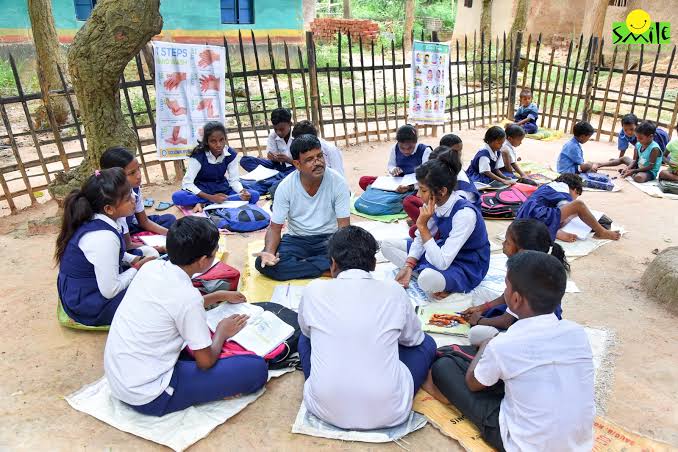
A critical component of after-school programs for poor students is a safe and accessible learning environment. This can include community halls, school classrooms after hours, or NGO offices. The space should be well-lit, ventilated, and free from hazards, allowing children to focus on learning without distractions or safety concerns. Accessibility is equally important—children should be able to reach the location easily, whether by walking, public transport, or safe community routes.
Trained Facilitator
The success of after-school programs for poor students relies heavily on qualified facilitators. College students, retired teachers, or trained community educators can provide consistent guidance and mentorship. Facilitators must understand child psychology, pedagogical methods, and strategies for engaging students who may have missed key concepts during the school day. A dedicated facilitator ensures that learning is structured, supportive, and enjoyable.
Materials
Effective after-school programs for poor students require basic but essential materials. Notebooks, pens, whiteboards, and markers enable hands-on learning, interactive sessions, and visual reinforcement of lessons. Having these resources readily available ensures that children can actively participate and complete homework or remedial exercises without interruption.
Curriculum Alignment
To maximize impact, after-school programs for poor students should align closely with the school syllabus. This ensures that the support provided complements classroom instruction rather than duplicating or conflicting with it. Facilitators can identify gaps in understanding, provide remedial teaching, and reinforce concepts learned during the school day, helping students stay on track academically.
Monitoring System
A robust monitoring system is essential for any after-school program for poor students. Tracking attendance, learning outcomes, and behavior allows program managers to identify struggling students, measure progress, and adjust teaching strategies as needed. Data-driven monitoring ensures that resources are used effectively, programs remain accountable, and children achieve measurable academic gains.
Funding Sources for After-School Programs for Poor Students
Sustainable funding is critical to running effective after-school programs for poor students. Several sources can be leveraged to ensure consistent operations and program quality:
- Local CSR Grants
Corporate Social Responsibility (CSR) initiatives often provide grants to educational programs that support underprivileged children. Partnering with local businesses allows after-school programs for poor students to access financial support, volunteers, and in-kind resources like books, computers, or sports equipment. - Individual Donors
Contributions from individual supporters can provide flexible funding for operational costs, scholarships, and enrichment activities. Regular donors also help create a community of supporters invested in the success of the after-school programs for poor students. - Government Schemes
Many government programs, such as Samagra Shiksha, offer funding or material support for after-school initiatives. Aligning your program with government guidelines and reporting requirements can unlock grants, teaching materials, and infrastructure support for after-school programs for poor students. - Community Contributions
Local communities often contribute through small donations, volunteer time, or shared resources. Engaging the community not only strengthens program sustainability but also fosters ownership and accountability among families whose children benefit from after-school programs for poor students.
A basic program for 30 children costs approximately Rs. 15,000–25,000 per month—a highly cost-effective intervention.
Safety and Nutrition: The Non-Negotiables
Poor children often arrive hungry and tired. A simple snack—fruit, biscuits, or a hot beverage—improves concentration and learning outcomes. Safety is equally crucial: adult supervision, safe routes home, and child protection policies must be in place.
Case Study:
- Background: Unessa Foundation piloted the same curriculum in three locations with different support:
- Location A: No snack, no play area
- Location B: Snack only
- Location C: Snack + outdoor play area
- Outcome: Attendance and learning gains were 58%/34%, 74%/52%, and 89%/71%, respectively.
- Lesson: Nutrition and safe recreational space are prerequisites for learning.
Pro Tips:
- Partner with local food providers to reduce costs.
- Conduct a safety audit before opening your program.
👉 Click here to know about Top 10 Ways to Get Scholarships for Underprivileged Children
Innovative Models of After-School Programs
Community-Led Learning Hubs
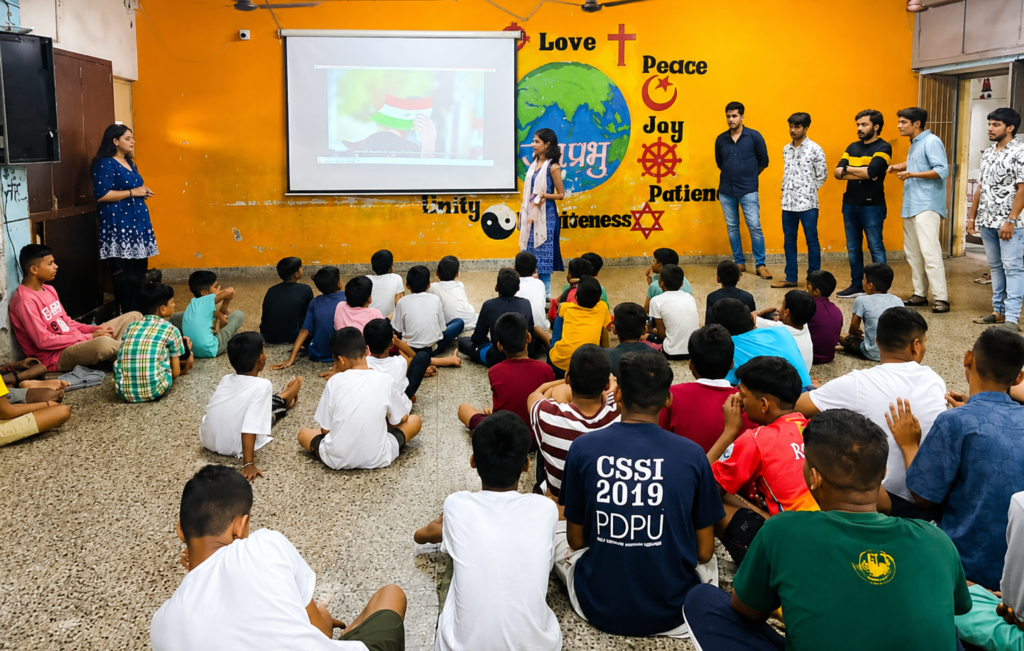
Some of the most effective programs are run by the local community. Parents, youth volunteers, and retired teachers collaborate to create an environment that reflects local needs and culture. Community-led hubs ensure sustainability, reduce facilitator turnover, and strengthen family engagement.
Case Study:
- In a Mumbai slum, a local NGO trained 10 community volunteers to run an evening learning center. Student attendance rose from 55% to 88%, and parental involvement doubled.
Pro Tip: Leverage local talent and volunteers; they understand community dynamics and can build trust faster than external facilitators.
Technology-Enabled Tutoring
Digital tools and low-cost devices are bridging gaps where trained facilitators are scarce. Tablets, smartphones, and online platforms provide interactive lessons, quizzes, and video tutorials.
Pro Tip: Use offline solutions where internet access is unreliable—preloaded educational content can be as effective as live sessions.
Measuring Impact: How to Know If an After-School Program Works
Tracking outcomes is critical to ensure that programs truly help students:
Key Metrics:
- Attendance rates and consistency
- Learning gains (reading levels, math scores)
- Student engagement in enrichment activities
- Parent feedback and satisfaction
Case Study:
A Hyderabad NGO introduced quarterly assessments in its evening learning centers. After six months, learning gains increased by 48%, and student engagement rose by 36%, proving that data-driven adjustments improve outcomes.
Conclusion & Call to Action
The hours after school are when the education gap widens fastest—but also when it can be most effectively closed. After-school programs are not optional; they are critical components of a complete education system for underprivileged children.
Support Unessa Foundation’s after-school programs to ensure every child has a safe, stimulating, and effective learning space after 4 PM.
Support Unessa Foundation:
Visit unessa.org to donate, volunteer, or partner in transforming education for underprivileged children across India.
Frequently Asked Questions
What are the most effective after-school programs for poor students?
Programs combining academic support, trained facilitators, nutrition, enrichment activities, and parental engagement consistently produce the best outcomes.
How much does it cost to run an after-school program?
For 30 children, Rs. 15,000–25,000 per month covers facilitators, materials, snacks, and overhead.
Can I volunteer at an after-school program for underprivileged children?
Yes. NGOs welcome volunteers for tutoring, mentoring, and enrichment sessions. Contact local organizations to get involved.