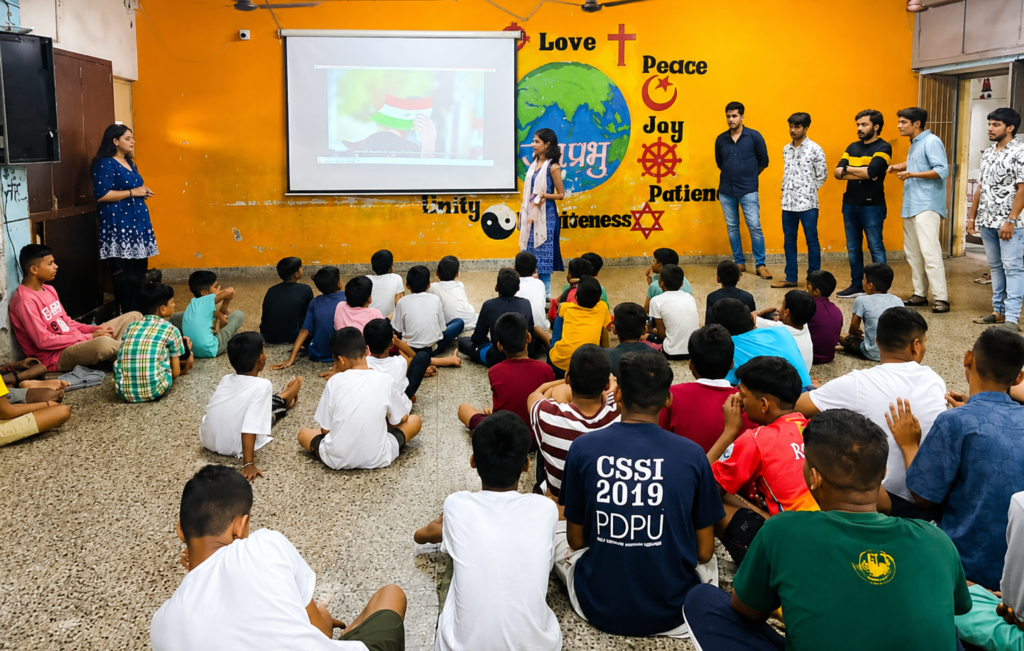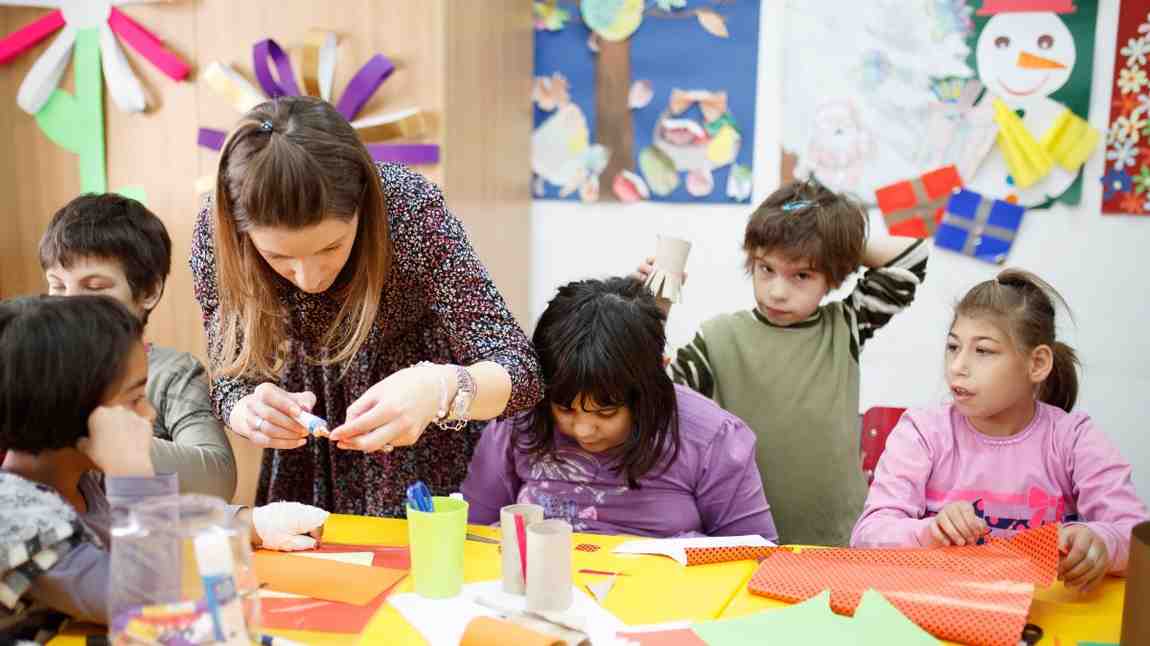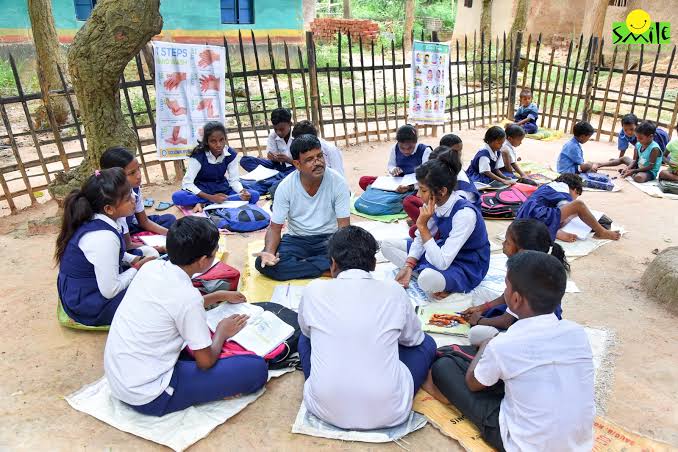

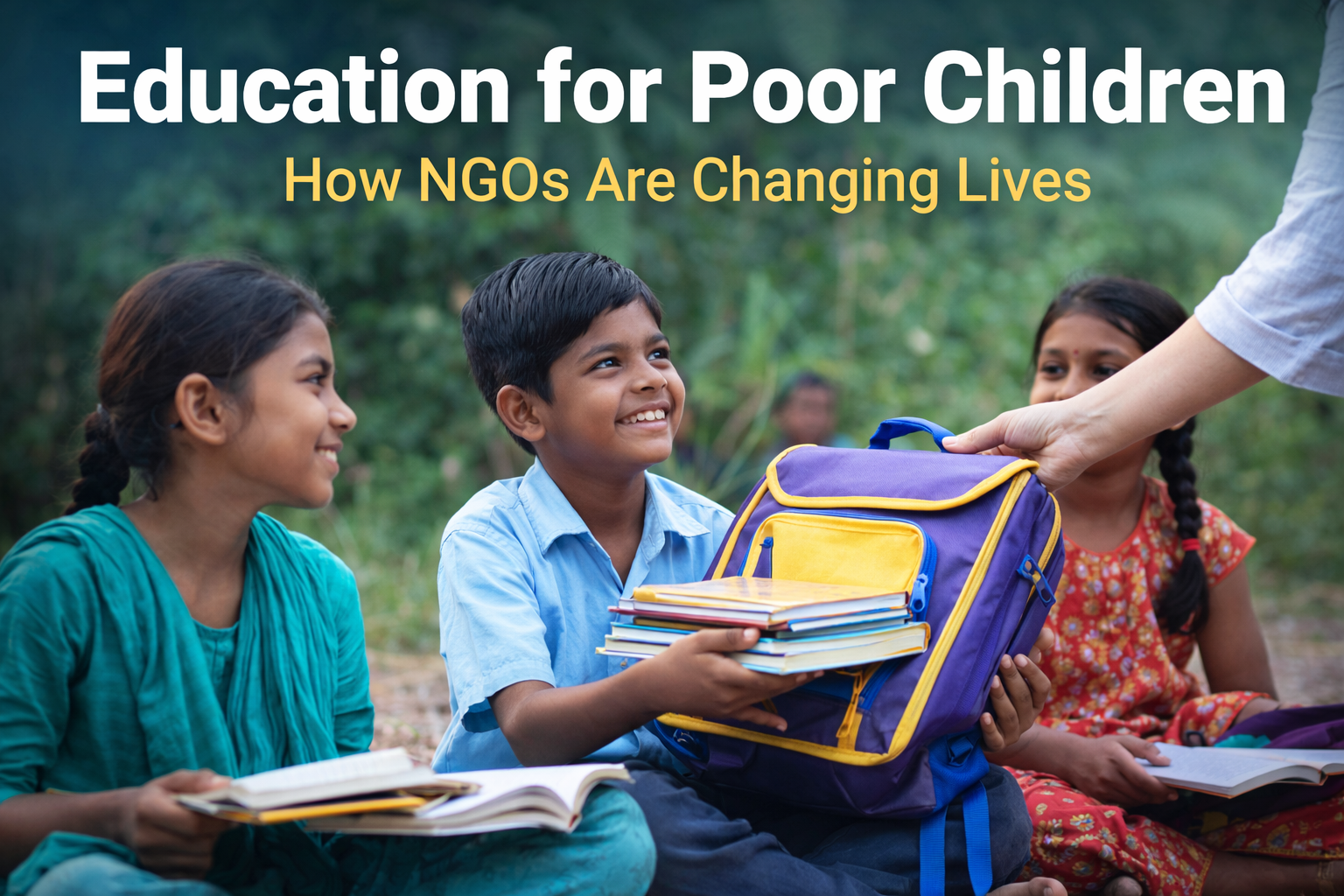

Education for poor children is one of the most powerful tools for social transformation. Yet, millions of children from underprivileged backgrounds still lack access to quality education due to poverty, inequality, and limited resources. This is where Non-Governmental Organizations (NGOs) step in as catalysts of change.
NGOs play a crucial role in bridging the educational gap by providing resources, opportunities, and support systems for children who would otherwise be left behind. Their efforts go beyond classrooms—they aim to create sustainable change that impacts individuals, families, and entire communities.
In this article, we explore how NGOs are transforming lives through education for poor children and why their work is vital for a better future.
Learn more about global education initiatives at UNICEF Education.
Understanding the Role of NGOs in Education
NGOs are independent organizations that work to address social issues, including education. Unlike government systems, NGOs often operate at the grassroots level, allowing them to reach the most vulnerable populations.
Key roles of NGOs in education:
- Providing access to schooling
- Offering financial assistance
- Improving infrastructure
- Training teachers
- Raising awareness
Their flexibility and community-focused approach make them highly effective in tackling educational challenges.
Why Education for Poor Children Needs NGO Support
Despite government initiatives, many children still face barriers such as:
- Poverty
- Child labor
- Lack of schools
- Gender discrimination
- Limited awareness
NGOs complement government efforts by filling gaps and addressing these issues directly.
1. Providing Access to Education
One of the primary ways NGOs transform lives is by ensuring that children can attend school.
How they do it:
- Building schools in underserved areas
- Running community learning centers
- Enrolling out-of-school children
Impact:
Children who never had access to education get the opportunity to learn and grow.
2. Offering Scholarships and Financial Support
Financial constraints are a major reason for school dropouts. NGOs provide:
- Scholarships
- Free uniforms and books
- Fee waivers
Result:
Families are relieved of financial burden, and children can continue their education.
3. Improving School Infrastructure
Many schools in underprivileged areas lack basic facilities. NGOs work to improve:
- Classrooms
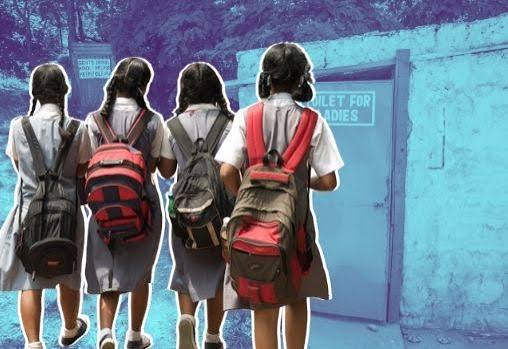
- Sanitation facilities
- Drinking water access
- Learning materials
Impact:
A better environment enhances learning and encourages attendance.6
4. Promoting Girls’ Education
NGOs actively work to overcome gender barriers in education.
Their initiatives include:
- Awareness campaigns
- Scholarships for girls
- Safe transportation facilities
- Community engagement
Outcome:
More girls are enrolled in schools, leading to empowered communities.
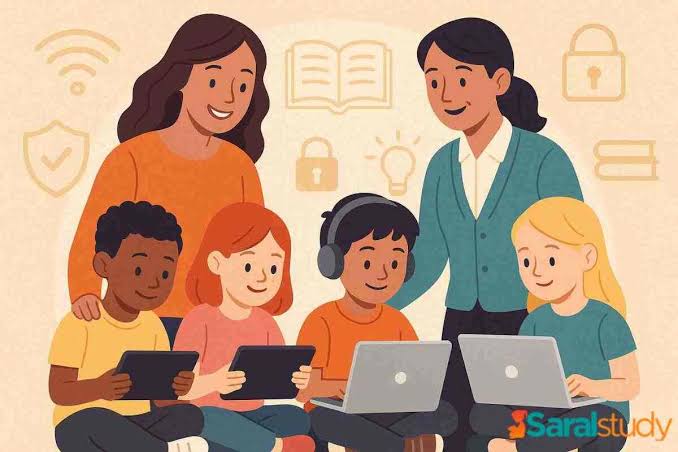
5. Providing Digital Education
In the modern world, digital literacy is essential. NGOs help bridge the digital divide by:
- Setting up digital classrooms
- Providing devices like tablets and laptops
- Offering online learning programs
Impact:
Children gain access to global knowledge and modern skills.
6. Training Teachers
Quality education depends on skilled teachers. NGOs contribute by:
- Conducting teacher training programs
- Introducing innovative teaching methods
- Providing teaching resources
Result:
Improved teaching quality leads to better learning outcomes.
7. Addressing Child Labor
NGOs work to reduce child labor by:
- Rescuing children from work environments
- Enrolling them in schools
- Supporting families financially
Impact:
Children can focus on education instead of labor.
8. Raising Awareness in Communities
Many parents are unaware of the importance of education. NGOs conduct:
- Awareness campaigns
- Community meetings
- Educational workshops
Outcome:
Increased enrollment and reduced dropout rates.
9. Providing Holistic Development
NGOs focus not just on academics but also on overall development.
Programs include:
- Life skills training
- Health and nutrition support
- Extracurricular activities
Impact:
Children develop confidence, creativity, and social skills.
10. Creating Long-Term Impact
The work of NGOs creates a ripple effect:
- Educated children support their families
- Families uplift communities
- Communities contribute to national development
Real-Life Impact Stories
- A child from a slum becomes a software engineer through NGO support
- A girl completes her education and becomes a teacher
- A community improves literacy rates through NGO initiatives
These stories highlight the transformative power of NGO efforts.
Challenges Faced by NGOs
Despite their impact, NGOs face several challenges:
- Limited funding
- Resource constraints
- Difficulty reaching remote areas
- Sustainability issues
Overcoming these challenges requires support from individuals, governments, and corporations.
How You Can Support NGOs
You can contribute to their mission in several ways:
You can also read Sponsor a Child’s Education to make a direct impact.
1. Donate
Financial contributions help NGOs expand their programs.
2. Volunteer
Offer your time and skills to support educational initiatives.
3. Sponsor a Child
Provide direct support for a child’s education.
4. Spread Awareness
Use social media to highlight NGO work.
5. Partner with NGOs
Organizations can collaborate for larger impact.
The Future of NGO-Led Education
The future of education lies in collaboration. NGOs, governments, and private sectors must work together to:
- Expand access to education
- Improve quality
- Leverage technology
- Ensure inclusivity
With continued efforts, the dream of “Education for All” can become a reality.
Why NGO Work Matters More Than Ever
In a rapidly changing world, education is essential for survival and growth. NGOs ensure that even the most disadvantaged children have access to this vital resource.
Their work is not just about education—it is about:
- Empowerment
- Equality
- Opportunity
Conclusion
NGOs are playing a transformative role in improving education for poor children. Their efforts are helping bridge the gap between privilege and poverty, giving every
FAQs
What role do NGOs play in educating poor children?
NGOs help provide access to education by building schools, offering scholarships, improving infrastructure, and supporting underprivileged children with learning resources.
Why is NGO support important for underprivileged children’s education?
NGO support is crucial because many children face barriers like poverty, child labor, and lack of awareness. NGOs bridge these gaps and ensure equal educational opportunities.
How do NGOs help reduce school dropout rates?
NGOs reduce dropouts by offering financial assistance, free educational materials, awareness programs, and by supporting families economically.
Do NGOs provide free education to poor children?
Yes, many NGOs provide free or subsidized education, including books, uniforms, and tuition support to ensure children can continue their studies.
How do NGOs support girls’ education?
NGOs promote girls’ education through scholarships, awareness campaigns, safe transportation, and community engagement to overcome gender discrimination.
What is the impact of digital education initiatives by NGOs?
NGOs provide digital tools like tablets and online learning platforms, helping children gain modern skills and access global knowledge.