


Why Volunteer Teaching Is One of the Most Direct Forms of Impact
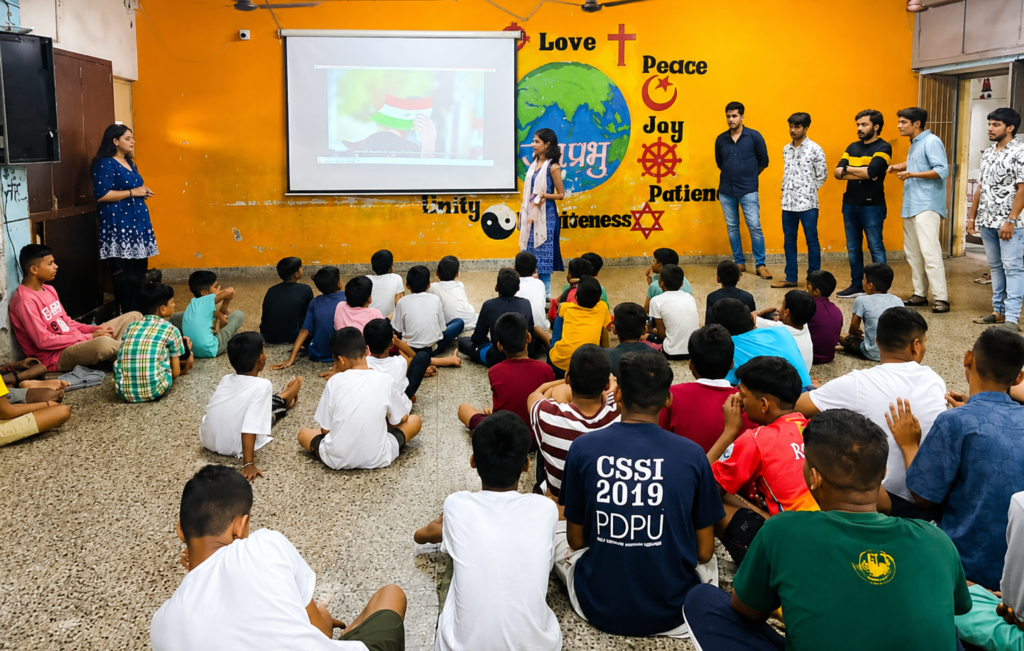
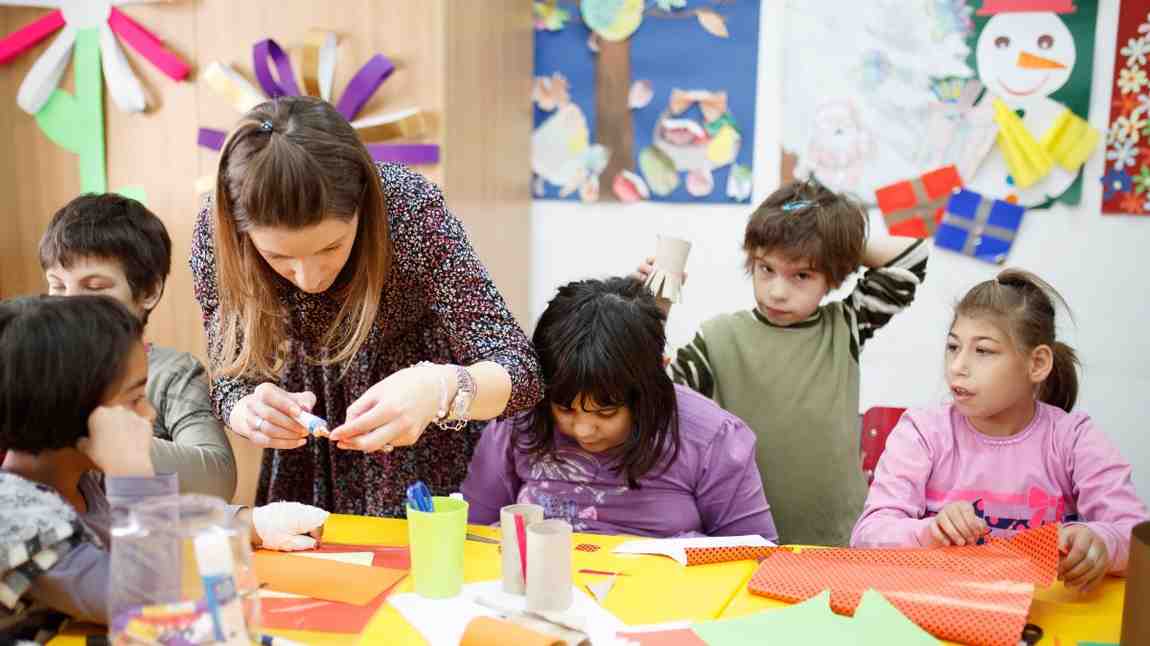
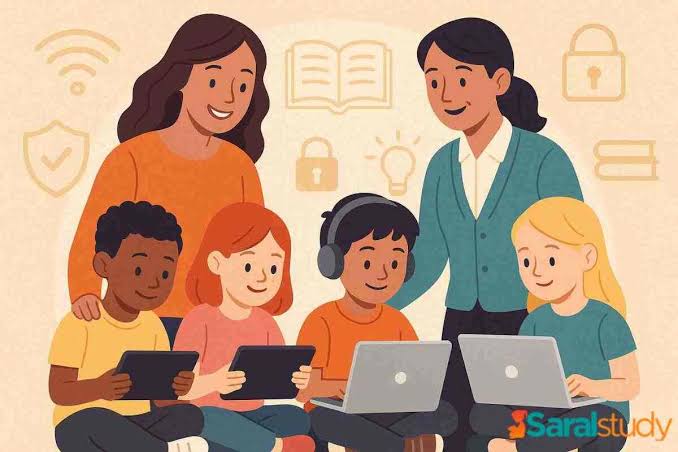
There is no intermediary between a volunteer teacher and a child who learns to read for the first time. Volunteer teaching programs place qualified, motivated individuals directly in underserved classrooms, after-school centers, and community learning spaces — where their knowledge becomes the resource a child needs most. According to Teach For India, volunteer teachers who commit full-time for two years produce an average of 1.5 additional years of learning gains in their students over the same period.
But volunteer teaching is not just about short-term gain. It reshapes the volunteer — building empathy, communication skills, adaptability, and a deep understanding of structural inequality. It is one of the few interventions that creates lasting impact on both sides of the classroom.
The Difference Between Effective and Ineffective Volunteer Teaching
Ineffective volunteer teaching looks like a one-week camp where enthusiastic adults teach songs and games to children who need foundational literacy. Effective volunteer teaching is structured, curriculum-aligned, trained, and sustained over months or years. The distinction matters enormously. Children benefit from consistency, relationships, and scaffolded learning — not sporadic feel-good activities.
Case Study
- Background: A corporate group sent 30 employees to “teach” at a government school for a single day as part of their annual CSR day under a volunteer teaching programs initiative.
- Challenge: No lesson plans, no curriculum alignment, no follow-up. Children enjoyed the novelty but gained no academic benefit.
- Actions Taken: The same company redesigned the volunteer teaching programs approach: 10 employees committed to weekly two-hour sessions over 6 months with structured lesson plans and teacher coordination.
- Outcome: 48 students showed measurable improvement in English reading fluency by month 4.
Lesson: Consistency and structure are the difference between volunteer teaching programs as an experience and volunteer teaching programs as real impact.
Pro Tips
- Complete a structured orientation before your first class — understanding community context, learning levels, and classroom management basics is non-negotiable for successful volunteer teaching programs.
- Work with the regular class teacher, not independently; volunteer teaching programs should supplement professional educators, not replace them.
Skills You Need to Be an Effective Volunteer Teacher
You do not need a teaching degree to volunteer effectively, but you do need:
- patience and adaptability
- strong communication skills
- ability to simplify complex concepts
- cultural sensitivity
- commitment to regular attendance
- willingness to learn
Subject expertise in English, mathematics, or science is most commonly needed.
Case Study
- Background: A 28-year-old software engineer joined a weekend volunteer teaching program at a learning center in Bangalore.
- Challenge: He had no teaching experience and struggled to communicate with children who spoke primarily Kannada.
- Actions Taken: He completed training, partnered with a local educator, and used visual learning methods.
- Outcome: Students progressed significantly in math skills within months.
- Lesson: Training + consistency = impact.
Types of Volunteer Teaching Opportunities
Not all volunteer teaching roles are the same. Understanding the type helps you choose the right fit.
1. In-Classroom Teaching
Working directly inside schools alongside teachers. Best for long-term impact.
2. After-School Programs
Focus on remedial learning, homework help, and foundational skills.
3. Digital/Online Teaching
Teach remotely using Zoom or recorded lessons—growing rapidly post-2020.
4. Community Learning Centers
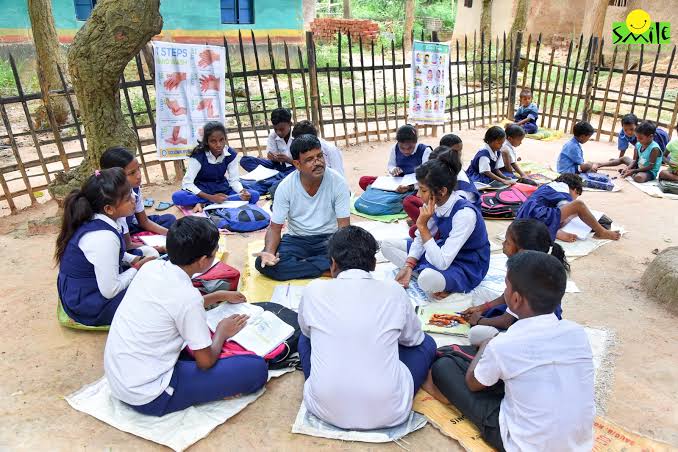
NGO-run centers (like those supported by Unessa Foundation) offering flexible teaching opportunities.
5. Skill-Based Teaching
Teaching coding, communication, or career skills to older students.
Challenges Volunteer Teachers Face & How to Overcome Them
Challenge
Solution
Language barrier
Learn basic local phrases, use visuals
Irregular attendance of students
Build engaging, activity-based lessons
Lack of teaching experience
Take training programs before starting
Emotional burnout
Set realistic expectations and take breaks
Limited resources
Use low-cost teaching aids and creativity
How to Start or Scale a Volunteer Teaching Program
Starting a volunteer teaching program requires more than enthusiasm. You need:
- school/community partnerships
- curriculum framework
- volunteer training system
- monitoring system
- sustainability plan
Partnering with an established NGO like Unessa Foundation is often the fastest way to achieve impact. They provide infrastructure, curriculum, and supervision—allowing volunteers to focus purely on teaching.
Measuring the Impact of Volunteer Teaching Programs
Use:
- pre/post assessments
- attendance tracking
- feedback surveys
- learning outcome comparisons
Programs that cannot demonstrate learning gains should redesign their model rather than rely on participation metrics.
Volunteer Teaching vs Traditional Teaching
Aspect
Volunteer Teaching
Traditional Teaching
Commitment
Part-time / flexible
Full-time profession
Training
Short-term / NGO-led
Formal degree required
Focus
Support & enrichment
Full curriculum delivery
Impact
High in underserved areas
Structured long-term
Flexibility
High
Low
Additional Impact: Why Organizations Choose Volunteer Teaching (
The evidence is overwhelming: investing in early childhood education is the most effective way to create lasting change. For children living in poverty, it is not just beneficial—it is essential.
Without early intervention, developmental gaps widen over time, making it increasingly difficult for children to catch up. But with the right support, these gaps can be closed before they become permanent barriers.
Unessa Foundation is committed to ensuring that every child, regardless of their background, has access to quality early childhood education. Through community partnerships, training programs, and innovative solutions, the foundation is transforming lives at the grassroots level.
Support Unessa Foundation today. Your contribution can help provide education, nutrition, and hope to children who need it the most.
Conclusion
Volunteer teaching is not a casual commitment — it is a life-changing one, for both the child and the volunteer. The programs highlighted in this guide represent models that have proven their impact through rigorous measurement and sustained community relationships.
If you have knowledge to share and time to give, there is a child somewhere who needs exactly what you have.
Find your program. Make your commitment. And trust that two hours a week for six months can change a life.
👉 Click here to know about The Community Strategies to Boost Underprivileged Education: 7 Approaches That Deliver Results
Frequently Asked Questions
What qualifications do I need to volunteer as a teacher?
Most programs require enthusiasm, commitment, and willingness to learn.
How much time do I need to commit?
Typically 2–4 hours per week for 3–6 months minimum.
Do volunteer teachers get paid?
Most roles are unpaid, but some fellowships offer stipends.
Can I volunteer online?
Yes, many NGOs now offer remote teaching opportunities.
Is volunteer teaching useful for career?
Yes—it builds communication, leadership, and problem-solving skills.