

What if education didn’t stop when school did?
In India and across the world, millions of learners leave school early due to financial pressure, social challenges, or personal circumstances. Yet, learning does not end there.
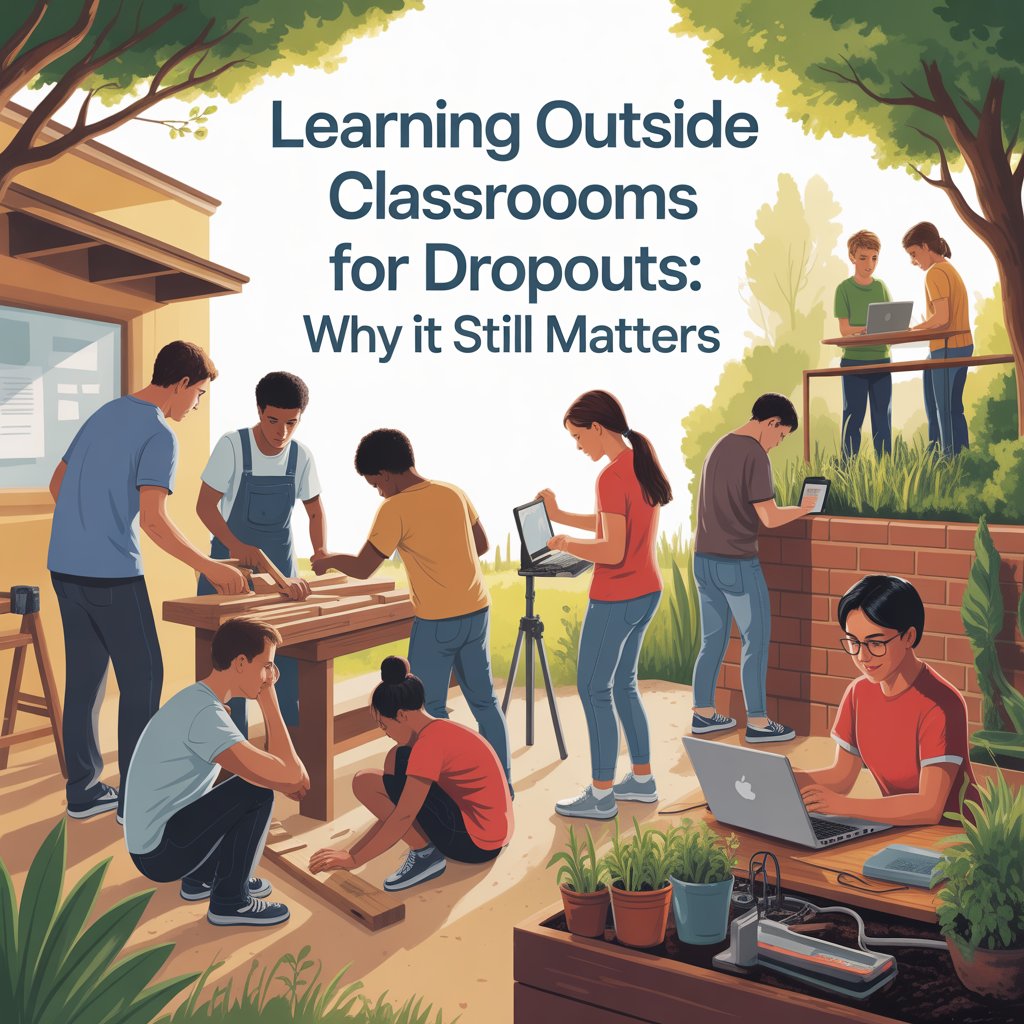
Today, learning outside classrooms for dropouts is becoming a powerful pathway to rebuild skills, confidence, and career opportunities.
This blog is for educators, professionals, and certification aspirants who want to understand how structured learning beyond school systems can reshape futures. You will also discover how platforms and initiatives like Unessa Foundation are enabling continuous education access in practical, skill-based formats.
👉 Quick Insight: Dropouts who engage in structured non-formal learning are significantly more likely to regain employability within 12–18 months.
Understanding Learning Outside Classrooms
Learning outside classrooms for dropouts refers to structured or semi-structured education that happens beyond traditional schools.
It includes:
- Skill development programs
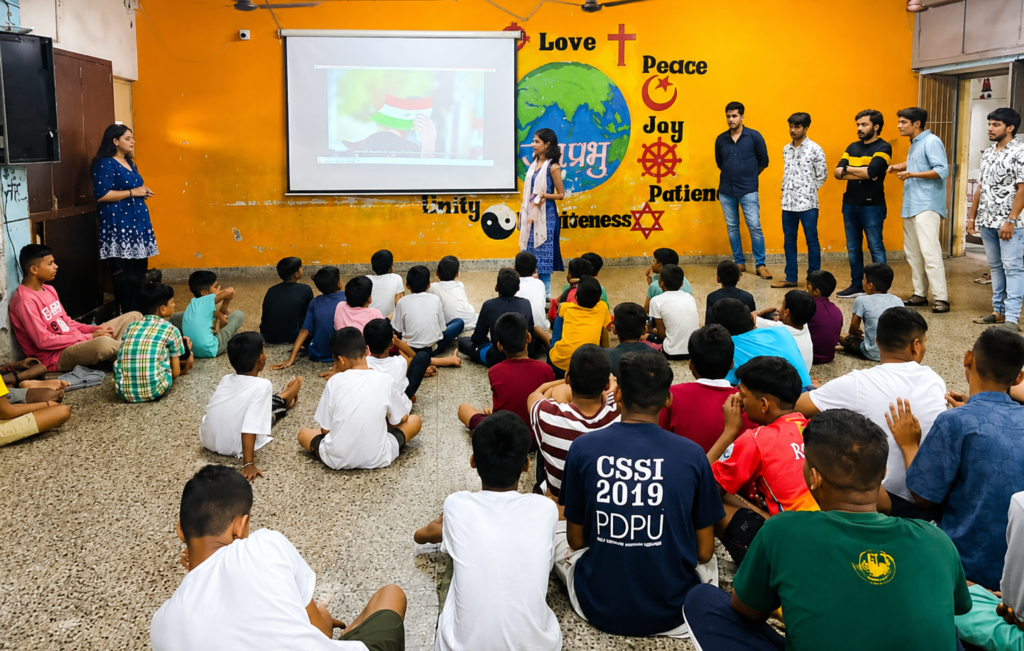
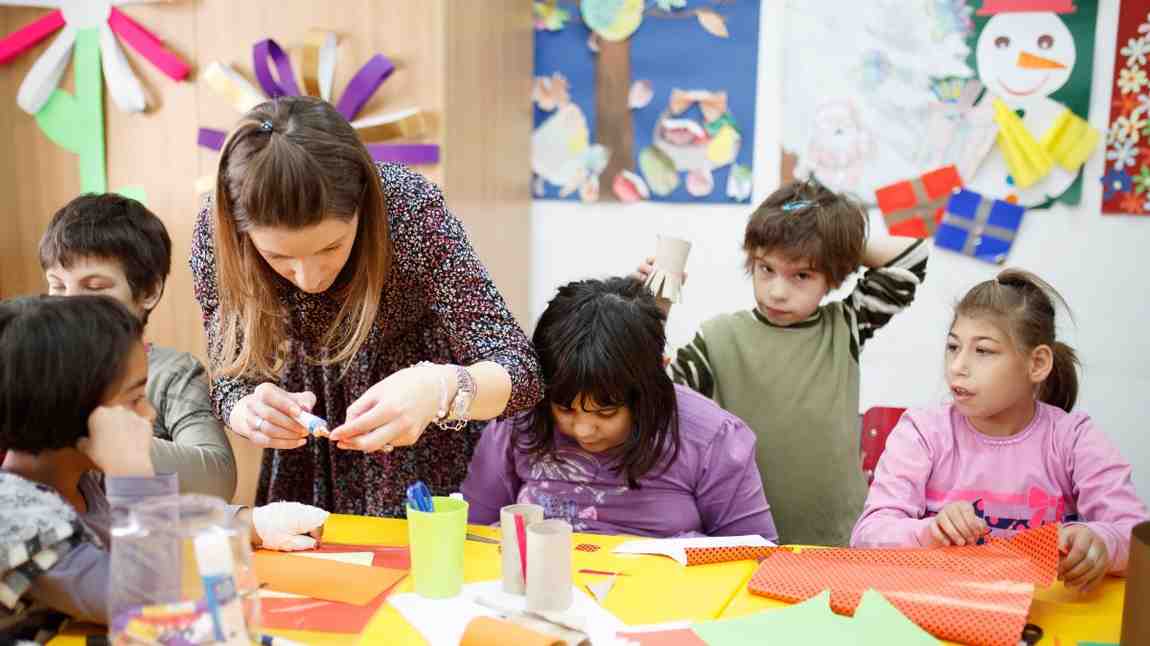
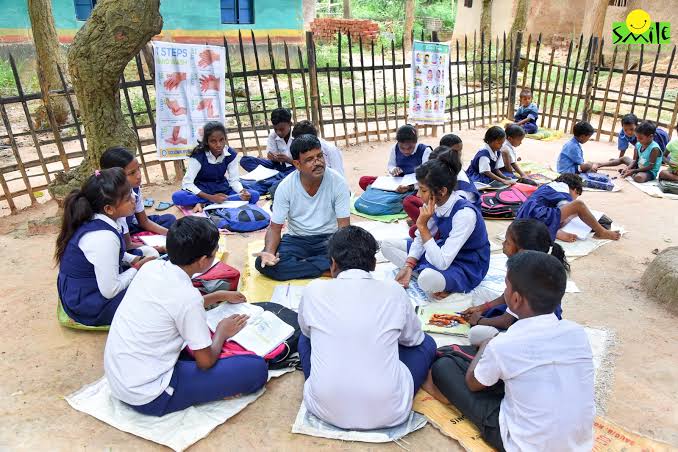
- Community-based learning centers
- Online certification courses
- Vocational training programs
- NGO-led education initiatives
Unlike formal schooling, this model focuses on practical, job-ready skills rather than academic grades.
Key Insight
This approach aligns with real-world demands, making learners more employable faster.
📌 Case Study
- Background:
Ravi, a 16-year-old dropout from Gujarat, left school due to financial issues. - Challenge:
No academic qualifications, limited job opportunities. - Action Taken:
He enrolled in a community-based skill-based learning program supported by a local NGO. - Outcome:
Within 8 months, Ravi learned basic digital skills and joined a small data entry job. - Lesson:
Non-formal education can restore career direction even after school dropout.
💡 Pro Tips
- Focus on skills over certificates initially
- Choose programs with practical training components
Why Dropouts Benefit from Non-Formal Education
Dropouts often face three major challenges:
- Lack of qualifications
- Low confidence
- Limited exposure to career options
This is where non-formal education becomes transformative.
Key Benefits:
- Flexible learning schedules
- Industry-relevant skills
- Lower cost or free access
- Immediate employability
Research shows that structured dropout education programs improve employment probability by up to 40–60% in urban areas.
📌 Case Study
- Background:
A group of 25 rural dropouts in Maharashtra joined a non-formal learning program. - Challenge:
No access to digital or vocational education. - Action Taken:
They received training in basic computer literacy and communication. - Outcome:
18 out of 25 participants secured entry-level jobs in 1 year. - Lesson:
Accessibility is more important than infrastructure in early-stage education recovery.
💡 Pro Tips
- Prioritize skill-based learning pathways
- Combine offline + online learning for better retention
Models of Out-of-School Learning
There are multiple effective models of alternative education:
1. Community Learning Centers
Local hubs where trained educators support dropouts.
2. Online Learning Platforms
Platforms offer structured certification preparation and practice tests that help bridge skill gaps.
3. Vocational Training Institutes
Focused on job-specific skills like IT, retail, or hospitality.
4. NGO-Led Education Programs
Organizations like Unessa Foundation provide structured learning support for underprivileged learners.
📌 Case Study
- Background:
An urban dropout group in Delhi lacked formal education access. - Challenge:
No structured curriculum or guidance. - Action Taken:
They enrolled in blended learning via NGO + online certification modules. - Outcome:
Several participants transitioned into internships within 6 months. - Lesson:
Hybrid learning models create faster skill adoption. - 💡 Pro Tips
- Choose programs with mentorship support
- Ensure alignment with job market demand
Role of NGOs and Digital Platforms
Organizations like Unessa Foundation play a crucial role in bridging education gaps for dropouts.
They provide:
- Free or low-cost education programs
- Community outreach
- Skill development workshops
- Learning materials for underserved groups
Digital platforms complement this ecosystem by offering:
- Certification preparation
- Practice exams
- Structured study paths
Together, they create a continuous learning ecosystem beyond schools.
📌 Case Study
- Background:
A dropout learner preparing for certification exams lacked structured resources. - Challenge:
No formal guidance or practice material. - Action Taken:
Used NGO support + structured online practice tools. - Outcome:
Successfully cleared an entry-level certification exam and secured a junior analyst role. - Lesson:
Digital + community support accelerates learning recovery.
💡 Pro Tips
- Combine NGO support with digital learning tools
- Focus on exam-oriented practice when targeting certifications
Challenges & Solutions in Out-of-School Learning
Challenges:
- Lack of awareness
- Digital divide in rural areas
- Motivation issues among learners
- Limited funding for programs
Solutions:
- Government + NGO partnerships
- Mobile-based learning expansion
- Career-linked learning incentives
- Community mentorship systems
📌 Case Study
- Background:
A rural learning center faced low attendance. - Challenge:
Students lacked motivation and transport access. - Action Taken:
Introduced mobile-based learning + local volunteer mentors. - Outcome:
Attendance improved by 70% within 3 months. - Lesson:
Accessibility and motivation must be addressed together.
💡 Pro Tips
- Always integrate career outcomes into learning programs
- Use mobile-first education tools where infrastructure is limited
Conclusion
Education does not end with school—it evolves beyond it.
Learning outside classrooms for dropouts is no longer an alternative; it is a necessity for inclusive growth. Through community programs, digital platforms, and NGO support, learners can rebuild their future with dignity and skills.
Organizations like Unessa Foundation continue to bridge the education gap, while platforms support structured learning for certification success.
Final Message
Take control of your learning journey today—because success is not about where education starts, but where it continues.
Frequently Asked Questions
What is learning outside classrooms for dropouts?
It refers to education that happens outside traditional schools, focusing mainly on practical skills and job readiness. It includes vocational training, online learning, and NGO programs that help dropouts continue learning in a flexible way.
How can dropouts continue education without school?
Dropouts can continue learning through NGO programs, online courses, vocational training institutes, and community learning centers. These options allow flexible study and focus on skills that improve job opportunities.
Is non-formal education effective for jobs?
Yes. Non-formal education is effective because it builds practical, job-oriented skills. It helps learners quickly qualify for entry-level jobs in sectors like IT, retail, and services, even without formal degrees.
What are examples of dropout education programs?
Examples include community learning centers, NGO training programs, government skill schemes, and online certification platforms that help learners gain practical skills and restart their education journey.