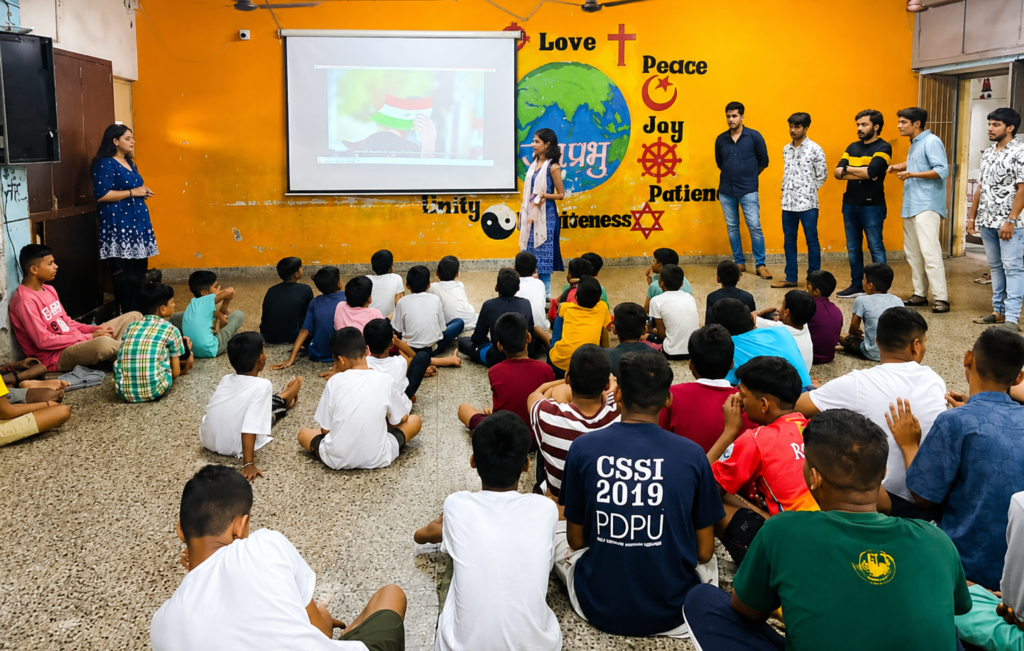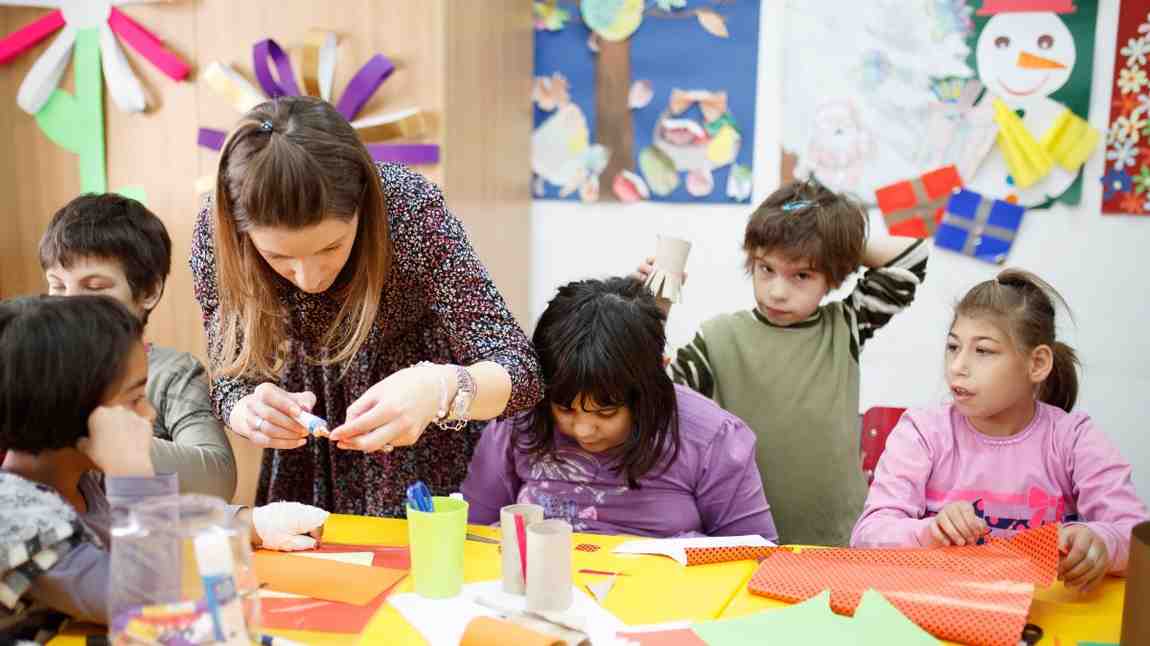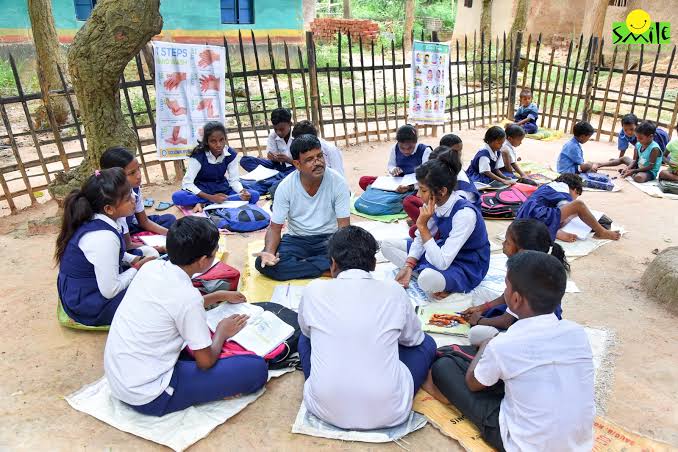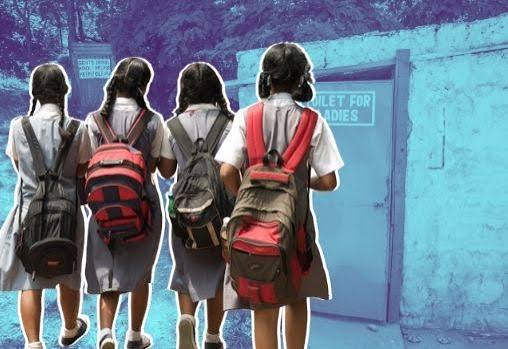

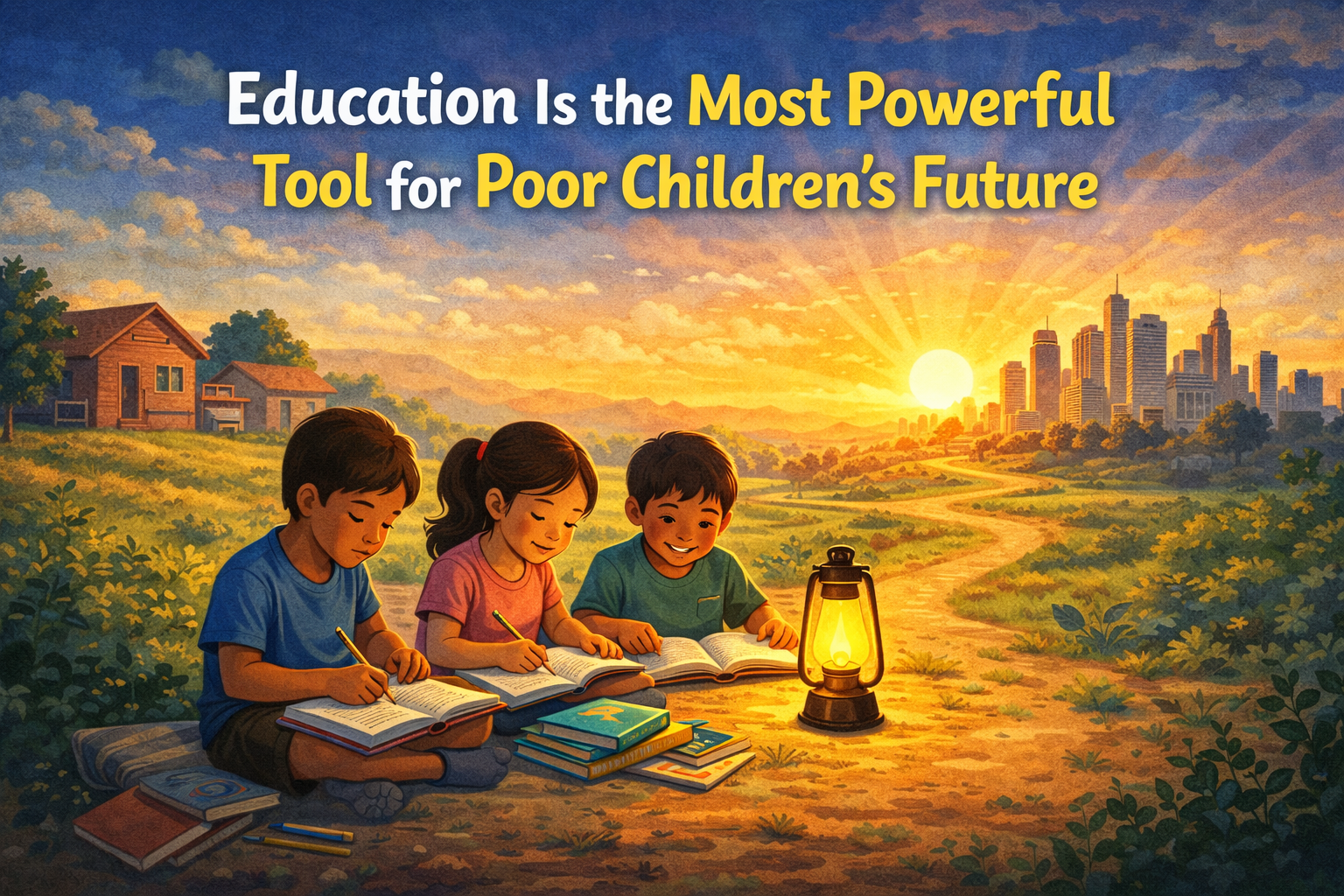
Powerful tool for poor children’s future, education plays a crucial role in breaking poverty and creating better opportunities for children. Education is often called the foundation of a strong society, but for poor children, it is much more than that—it is a lifeline. It is the most powerful tool that can transform lives, break the cycle of poverty, and open doors to opportunities that would otherwise remain closed.
Education is a powerful tool for poor children’s future. Millions of children around the world grow up in poverty, facing challenges such as lack of resources, limited access to schools, and social inequalities. Yet, education has the unique ability to change their future in ways no other intervention can. “This article explores why education is the most powerful tool for poor children. You can also read our guide on supporting education for underprivileged children.” and how it shapes not only individual lives but entire communities.
Why Education is a Powerful Tool for Poor Children’s Future
Poverty is often a cycle that passes from one generation to the next. Children born into poor families frequently lack access to basic necessities, including quality education. Without education, they are more likely to remain in low-paying jobs, continuing the cycle.
This shows how education acts as a powerful tool for poor children’s future. Education acts as a powerful equalizer. According to UNESCO, education plays a major role in reducing poverty worldwide.”. It provides children with knowledge, skills, and confidence to pursue better opportunities.
How education breaks poverty:
- Improves employment opportunities
- Increases earning potential
- Enhances decision-making skills
- Promotes financial independence
When a child receives education, they gain the ability to transform not only their own life but also the lives of their family members.
Education as a Powerful Tool for Poor Children’s Future
For many underprivileged children, life is filled with uncertainty and low self-esteem. Education plays a crucial role in building confidence and self-worth.
In a classroom environment, children:
- Learn to express themselves
- develop communication skills
- Gain recognition for achievements
- Build a sense of identify
This confidence empowers them to dream bigger and aim higher, despite their circumstances.
Education Opens Career Opportunities for Poor Children’s Future
One of the most visible benefits of education is access to better job opportunities. Without education, children are often limited to low-skilled labor with minimal wages.
With education, they can pursue careers in fields such as:
- Technology
- Healthcare
- business
- Engineering
Even basic education significantly improves job prospects and helps individuals secure stable employment.
Education Promotes Equality for Poor Children’s Future
Education is a powerful tool for promoting equality. It helps reduce disparities based on:
- Gender
- Caste
- Economic background
- Engineering
For example, educating girls has been proven to improve not only their lives but also the well-being of their families and communities.
When education is accessible to all, it creates a more just and inclusive society.
Improves Health and Well-being
Education is closely linked to better health outcomes. Educated individuals are more likely to:
- Understand hygiene practices
- Access healthcare services
- Make informed health decisions
Parents with education are also more likely to ensure their children receive proper nutrition and medical care.
Encourages Critical Thinking and Problem-Solving
Education teaches children how to think, not just what to think. It develops critical thinking and problem-solving skills that are essential for success in life.
These skills help children:
- Analyze situations
- Make informed decisions
- Adapt to challenges
- Innovate and create solutions
This ability is especially important for children from poor backgrounds, who often face complex life challenges.
Reduces Child Labor
Child labor is a major issue in underprivileged communities. Many children are forced to work instead of attending school.
Education provides an alternative path. When children are in school:
- They are less likely to be involved in labor
- They gain long-term opportunities instead of short-term income
- Families begin to value education over immediate earnings
Government programs and NGO initiatives also support this transition.
Empowers Communities
The impact of education goes beyond individuals—it transforms entire communities.
When more children are educated:
- Literacy rates improve
- Employment levels rise
- Economic growth increases
Educated individuals often give back to their communities, creating a ripple effect of positive change.
Encourages Gender Equality
In many poor communities, girls are less likely to receive an education. However, educating girls has a powerful impact:
- Delays early marriage
- Improves family health
- Increases household income
- Promotes gender equality
An educated girl becomes an empowered woman who can contribute meaningfully to society.
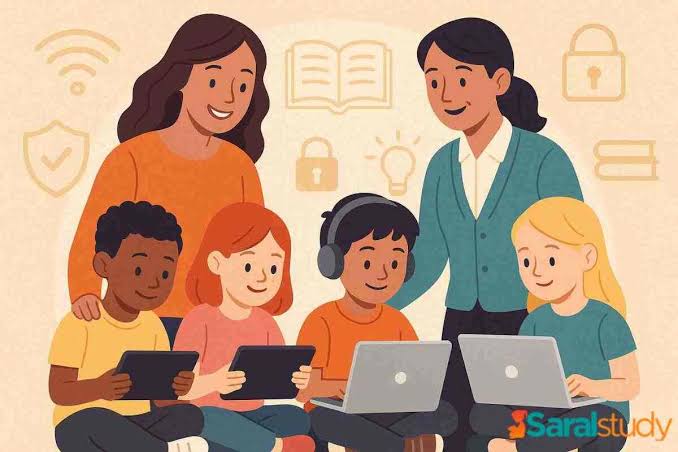
Provides Access to Technology and Modern Skills
In today’s digital world, education is essential for accessing technology and modern skills.
Through education, children can learn:
- Computer literacy
- Internet usage
- Digital Communication
- Online Learning
These skills are crucial for competing in the global job market.
Builds a Better Future for the Next Generation
Educated individuals are more likely to prioritize education for their children. This creates a positive cycle where:
- One educated child leads to an educated family
- Educated families lead to stronger communities
- Strong communities lead to a developed nation
This long-term impact makes education the most powerful investment for the future.
Challenges Faced by Poor Children in Accessing Education
Despite its importance, many poor children face barriers such as:
1. Financial Constraints
School fees, uniforms, and books can be expensive.
2. Lack of Infrastructure
Many areas lack proper schools, classrooms, and teachers.
3. Social Barriers
Discrimination and cultural norms can prevent children from attending school.
4. Child Labor
Families may depend on children for income.
5. Lack of Awareness
Some parents may not understand the value of education.
Addressing these challenges requires collective efforts from governments, NGOs, and individuals.
How Education Becomes a Powerful Tool for Poor Children’s Future
“Everyone can contribute to this cause in meaningful ways.
1. Donate to Educational Programs
Support organizations that provide education to underprivileged children.
2. Volunteer as a Teacher
Share your knowledge and skills with those in need.
3. Provide Learning Resources
Donate books, stationery, and digital devices.
4. Raise Awareness
Use social media and community platforms to spread awareness.
5. Support Government Initiatives
Encourage and participate in educational schemes and programs.
Real-Life Impact of Education
Consider these real-life transformations:
- A child from a rural village becomes a software engineer through education
- A girl escapes early marriage and becomes a teacher
- A family moves out of poverty due to one educated member
These stories highlight the transformative power of education.
Conclusion
Governments must support this powerful tool for poor children’s future. Education is not just a basic human right—it is the most powerful tool for shaping a better future for poor children. It breaks the chains of poverty, empowers individuals, and builds stronger communities.
Investing in education is investing in humanity. Every child deserves the opportunity to learn, grow, and succeed, regardless of their background.
By supporting education, we are not just changing individual lives—we are changing the world.
Frequently Asked Questions (FAQs)
Why is education important for poor children?
Education helps poor children gain skills, improve their quality of life, and escape poverty.
How does education break the cycle of poverty?
It provides better job opportunities, increases income, and promotes financial independence.
What challenges do poor children face in education?
They face financial issues, lack of resources, child labor, and social barriers.
How can individuals support education for poor children?
They can donate, volunteer, provide resources, and raise awareness.
Why is educating girls important?
It promotes gender equality, improves family health, and boosts economic growth.
What role do NGOs play in education?
NGOs provide funding, build schools, and run educational programs for underprivileged children.
How does education improve health?
Educated individuals make better health decisions and access healthcare services.
Can education reduce child labor?
Yes, education provides children with opportunities that reduce the need for labor.
What is the long-term impact of education?
It leads to economic development, social equality, and improved quality of life.
Is digital education important for poor children?
Yes, it provides access to global knowledge and modern skills.