

What Is Education Equity and Why Does It Matter?
Education equity means every child receives the resources and opportunities they need to reach their full potential — regardless of income, location, or background. It is not about giving every child the same thing; it is about giving each child what they specifically need. Ensuring quality education for underprivileged kids is a critical part of achieving true education equity. According to UNESCO, more than 244 million children worldwide remain out of school, with the overwhelming majority coming from low-income households. That number is not just a statistic — it represents future doctors, engineers, and leaders whose potential will never be realized without intervention.
Unessa Foundation works on precisely this principle: that the accident of birth should not determine the ceiling of a child’s ambition. By promoting quality education for underprivileged kids, the foundation aims to break systemic barriers and create equal opportunities for growth. When quality education is withheld from underprivileged children, the consequences compound across generations.
The Difference Between Equality and Equity in Education
Features
Equality
Equity
Definition
Same resources for all students
Resources based on individual needs
Focus
Sameness
Fairness & outcomes
Example
Everyone gets the same textbook
Students get extra tutoring if needed
Impact
May leave underprivileged behind
Levels the playing field for all learners
Outcome
Access, not guaranteed success
Supports achievement for every child
Case Study
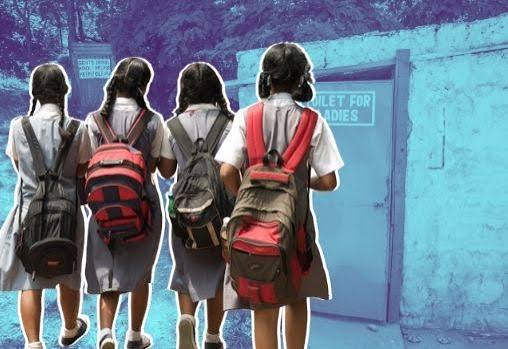
Background: In rural Maharashtra, India, girls from farming families dropped out of school by age 12 due to lack of sanitation facilities and distance to school. Challenge: Families prioritized safety over education. Actions Taken: A local NGO built gender-separated facilities and launched a bicycle program for girls. Outcome: Enrollment among girls rose by 47% in two years, and dropout rates fell to under 5%. Lesson: Infrastructure and safety are prerequisites for education equity, not luxuries.
Pro Tips
- Map the specific barriers in your community before designing interventions — a solution that works in an urban slum may fail in a remote village.
- Engage parents and community leaders early; their buy-in determines whether children actually attend school.
7 Reasons Quality Education for Underprivileged Kids Matters
1. It breaks the intergenerational poverty cycle. Children of educated parents are significantly more likely to attend school themselves, creating a self-reinforcing loop of progress.
2. It reduces child labor. When schooling is accessible and affordable, families are less likely to send children to work.
3. It improves health outcomes. Quality education for underprivileged kids helps individuals make better healthcare decisions, reducing child mortality and disease prevalence.
4. It drives economic growth. The World Bank estimates that each additional year of schooling increases an individual’s earnings by 8 to 10 percent.
5. It promotes gender equality. Girls who complete secondary school are more likely to marry later, have fewer children, and contribute economically.
6. It strengthens communities. Educated citizens are more likely to participate in civic life, hold institutions accountable, and drive local development.
7. It enables social mobility. Education is the most powerful and proven elevator from poverty to opportunity.
Why Underprivileged Children Face Unique Barriers
Beyond cost, underprivileged children face a layered set of challenges: malnourishment that impairs cognitive development, lack of electricity for studying at night, overcrowded classrooms with unqualified teachers, and curricula that bear no connection to their daily lives. Addressing education equity means dismantling each of these barriers simultaneously.
Case Study
Background: A government school in Bihar, India served 600 students with 4 teachers and no library. Challenge: Teachers were overwhelmed; learning outcomes were near zero. Actions Taken: An NGO deployed trained community educators, added reading corners, and introduced activity-based learning. Outcome: Literacy rates among Grade 3 students jumped from 31% to 79% within 18 months. Lesson: Quality matters as much as access; a school building without trained educators is not education.
Pro Tips
- Advocate for policy change alongside ground-level programs — sustainable education equity requires both.
- Support holistic programs that address nutrition and health alongside academics.
👉 Click here to know about Long-Term Benefits of Sponsor Education Programs: Why Investing Now Changes Everything
How You Can Contribute to Education Equity
You do not need to be a policymaker to drive change. Individuals can sponsor a child’s education, volunteer as a mentor, donate school supplies, or raise awareness in their networks. Organizations like Unessa Foundation channel these contributions directly into verified programs that improve education access for underprivileged children across India.
Corporates can align CSR funding with education equity goals, ensuring that contributions go beyond infrastructure to teacher training, digital tools, and parental engagement. Even small, consistent actions create compounding impact over time.
Measuring Impact: What Good Education Programs Look Like
Effective programs track enrollment, attendance, retention, learning outcomes, and family satisfaction — not just the number of schools built. Unessa Foundation uses outcome-based reporting to ensure every rupee translates into measurable progress for the children it serves.
Case Study
Background: A corporate CSR grant funded 20 new classrooms in Rajasthan with no follow-up support.
Challenge: Buildings sat empty because teachers were not hired and parents were not informed.
Actions Taken: Unessa Foundation was brought in to provide operational support, teacher stipends, and community outreach focused on delivering quality education for underprivileged kids.
Outcome: All 20 classrooms became functional within 6 months; 400 children enrolled.
Lesson: Infrastructure funding must be paired with operational and human resource investment to ensure quality education for underprivileged kids truly reaches those in need.
Pro Tips
Ask any organization you donate to for outcome data, not just output data — the number of children helped matters more than the number of schools built, especially when evaluating impact on quality education for underprivileged kids.
Consider multi-year commitments; one-year funding cycles undermine long-term program effectiveness and limit sustained quality education for underprivileged kids.
Conclusion
Education equity is not a charity goal — it is a social and economic imperative. Ensuring quality education for underprivileged kids is central to building a fair and sustainable future. When underprivileged children receive quality education, communities become safer, economies grow stronger, and societies become more just. Every child who is left behind is a loss not just for that child, but for all of us. The tools, the knowledge, and the resources to fix this exist. What remains is the collective will to act. Support Unessa Foundation and be part of the generation that closes the education gap by advancing quality education for underprivileged kids.
Frequently Asked Questions
What is education equity?
Education equity means every child receives the specific resources and opportunities they need to succeed academically, regardless of economic background, gender, or location.
Why do underprivileged children struggle in school?
They face barriers including poverty, malnutrition, lack of infrastructure, teacher shortages, and cultural norms that deprioritize education, especially for girls.
How can I support education equity?
You can sponsor a child, donate school supplies, volunteer as a tutor, advocate for policy change, or support NGOs like Unessa Foundation that run verified education programs.