


Why the First Five Years Are the Most Consequential
The first five years of a child’s life are not just important—they are transformative. During this period, nearly 90% of brain development takes place, making early childhood education a critical factor in shaping a child’s future. Neural connections form at an astonishing rate, influencing how a child thinks, communicates, behaves, and learns. These early experiences lay the groundwork for everything that follows, from school readiness to career success and even emotional well-being in adulthood.
For children from economically stable families, these years are often filled with stimulation—books, conversations, structured play, and nurturing environments that naturally support early childhood education. However, for children living in poverty, this critical window is often marked by deprivation, instability, and a lack of access to quality early childhood education programs.
Early childhood education is not simply about preparing children for school. It is about ensuring that every child, regardless of their background, has the cognitive and emotional foundation needed to thrive. When early childhood education is missing or inadequate, children start school already at a disadvantage—a gap that becomes harder to close with time.
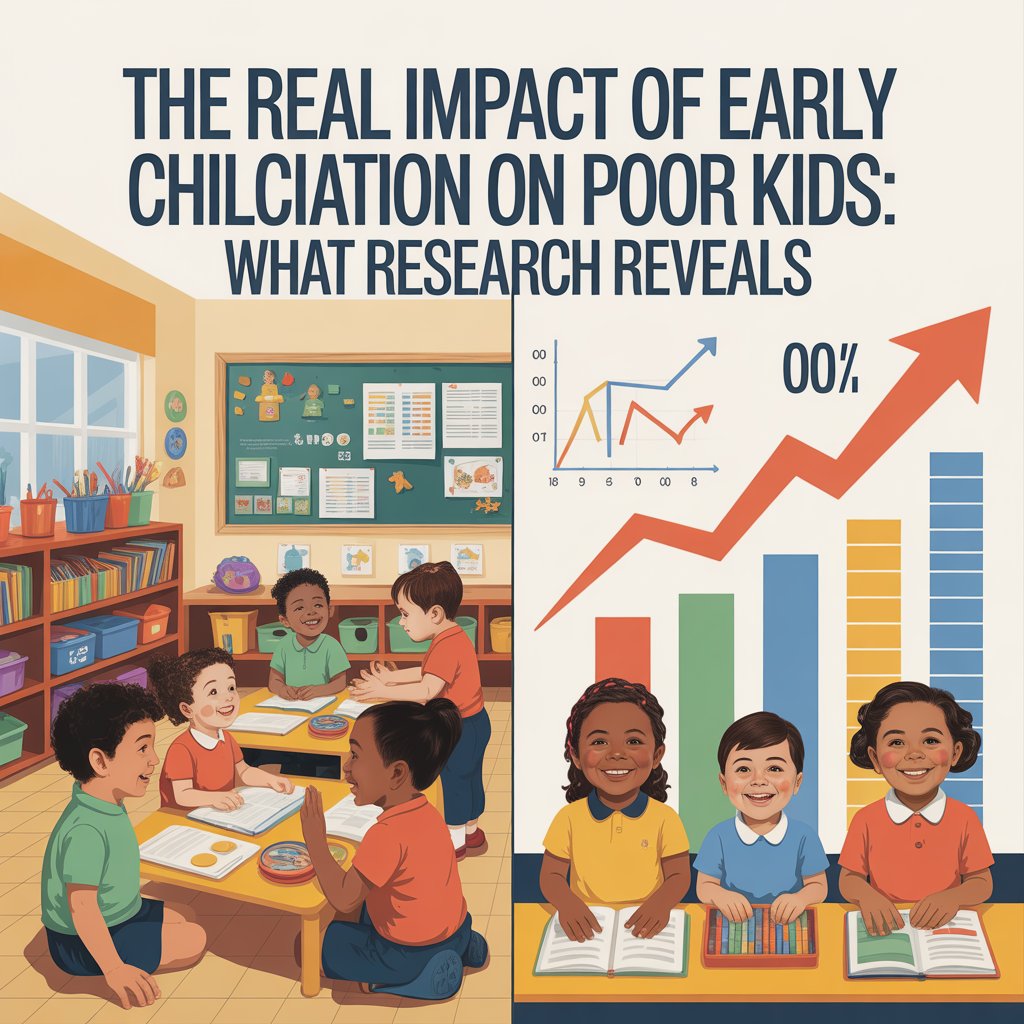
Economist James Heckman’s groundbreaking research highlights that investments in early childhood education yield annual returns of 7 to 13 percent. These returns are seen in better academic performance, improved health, higher earning potential, and reduced involvement in crime. No other stage of education offers such a high return on investment, making early childhood education one of the most impactful areas for social investment.
Despite this, early childhood education programs—especially those targeting poor children—remain underfunded and undervalued. This disconnect between research evidence and real-world action continues to limit opportunities for millions of children who would benefit the most from quality early childhood education.
How Poverty Shapes Early Brain Development
Poverty is not just a financial condition—it is an environment that directly impacts a child’s brain development. Children growing up in low-income households often face chronic stress due to uncertainty about food, housing, and safety. This prolonged stress activates the brain’s fear response system, particularly the amygdala, making children more anxious and less able to focus on learning.
At the same time, the prefrontal cortex—the part of the brain responsible for reasoning, decision-making, and self-control—develops more slowly under such conditions. This imbalance creates long-term challenges in learning and behavior.
Other factors further compound the issue. Malnutrition affects cognitive development. Limited exposure to language reduces vocabulary growth. Lack of play and stimulation restricts creativity and problem-solving abilities. Inconsistent caregiving can hinder emotional stability.
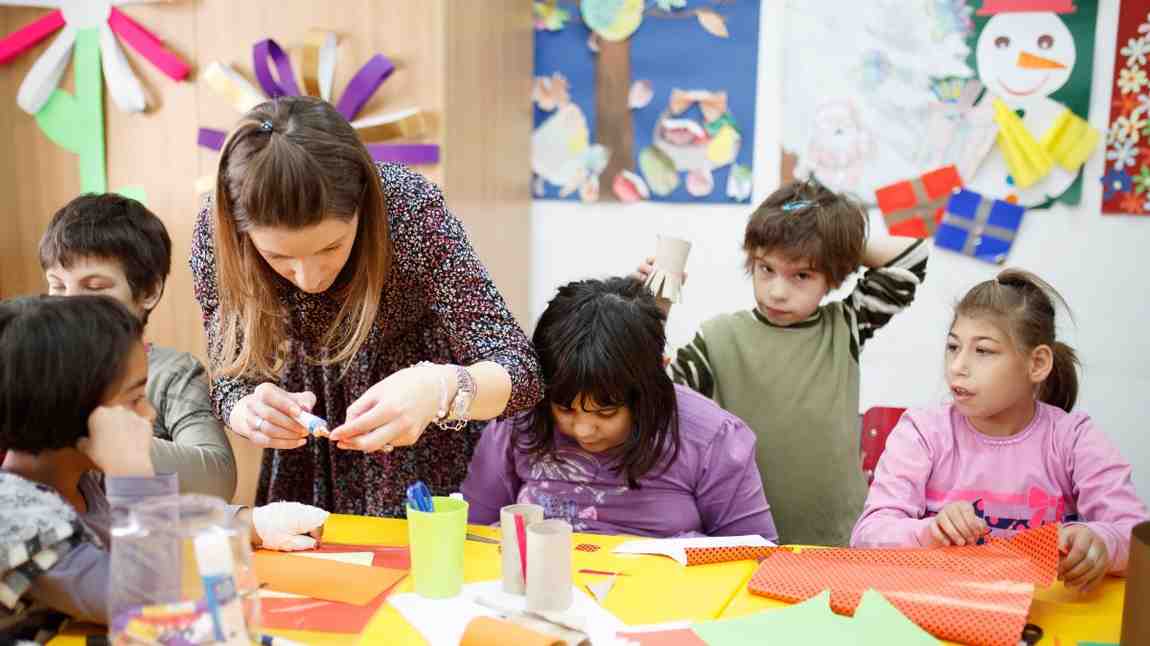
High-quality early childhood education programs act as a powerful counterforce to these challenges. By providing structured learning, proper nutrition, emotional support, and safe environments, these programs help “rewire” developmental pathways and give children a fair start.
Case Study
- Background: Children entering Class 1 in a low-income urban school in Pune had an average vocabulary of just 150 words, compared to 600 words among children from nearby private schools.
- Challenge: The developmental gap was so wide that teachers struggled to teach both groups effectively within the same curriculum.
- Actions Taken: A nonprofit introduced a structured preschool program for children aged 3 to 5, focusing on language development, early numeracy, and social interaction.
- Outcome: After two years, participating children entered Class 1 with an average vocabulary of 480 words and demonstrated significantly better reading readiness.
- Lesson: Early childhood education can dramatically reduce developmental gaps before formal schooling begins.
Pro Tips
• Advocate for improvements in your local anganwadi center.
• Support programs that combine parent education with child learning.
What Research Reveals About Early Childhood Education for Poor Kids
In India, the Integrated Child Development Services (ICDS) program reaches over 100 million children through anganwadi centers. While the scale is impressive, quality varies significantly. Studies have shown that many centers lack trained staff, proper materials, and structured curricula.
Organizations like Unessa Foundation play a crucial role in bridging this gap. By working directly with anganwadi centers, they help improve quality through training, curriculum development, and community engagement. This ensures that children not only attend early childhood programs but truly benefit from them.
The key takeaway from global and local research is clear: early childhood education must be high-quality, holistic, and inclusive to be effective.
The Specific Skills Early Education Builds
- Early childhood education builds a wide range of essential skills that go far beyond academics. These include:
- Language and communication skills, enabling children to express themselves clearly.
- Basic numeracy, helping them understand numbers and patterns.
- Motor skills, both fine (writing, drawing) and gross (movement, coordination).
- Social-emotional skills, such as empathy, cooperation, and self-regulation.
- Curiosity and creativity, which drive lifelong learning.
- The ability to follow instructions and work in groups.
These foundational skills are critical for success in formal schooling. Without them, children struggle to keep up, leading to frustration, low confidence, and eventually higher dropout rates.
Case Study
- Background: Unessa Foundation partnered with anganwadi centers in a tribal district in Gujarat.
- Challenge: The centers lacked structured learning materials and parent involvement.
- Actions Taken: The foundation introduced play-based curricula, trained workers, and conducted monthly parent workshops.
- Outcome: Within six months, language scores improved by 68% and numeracy skills by 54%.
- Lesson: Improving quality within existing systems can deliver rapid and cost-effective results.
Pro Tips
• Play-based learning is essential—not optional.
• Measure success beyond preschool entry, focusing on long-term outcomes.
How to Strengthen Early Childhood Education for Underprivileged Kids
- Improving early childhood education requires coordinated action across multiple levels.
- At the policy level, governments must increase funding for infrastructure, training, and fair wages for anganwadi workers. Recognizing these workers as professionals is essential to improving program quality.
- At the community level, parents must be empowered to demand better services. Awareness campaigns and local involvement can significantly improve accountability.
- At the individual level, people can contribute by volunteering, donating educational materials, or supporting organizations like Unessa Foundation. Every small action contributes to a larger impact.
- Unessa Foundation stands at the intersection of policy and practice. By working directly with communities and institutions, it ensures that improvements are both scalable and sustainable.
👉 Click here to know about The Community Strategies to Boost Underprivileged Education: 7 Approaches That Deliver Results
The Role of Technology in Early Childhood Education
Technology, when used appropriately, can enhance early childhood education—especially in underserved areas.
Simple tools like illustrated storybooks, audio learning devices, and basic educational apps can make learning more engaging and accessible. These tools are particularly useful in regions with limited access to trained educators.
However, technology should never replace human interaction. Young children learn best through relationships, conversations, and hands-on experiences. Technology should act as a supplement, not a substitute.
Case Study
- Background: A remote village in Jharkhand had limited access to educational resources.
- Challenge: The anganwadi worker lacked training and materials.
- Actions Taken: An NGO provided learning cards, audio devices, and remote coaching.
- Outcome: Children became more engaged, and the worker gained confidence.
- Lesson: Even low-cost technological interventions can significantly improve learning outcomes.
Pro Tips
• Invest in training for educators alongside technology.
• Encourage parental involvement, including fathers.
Conclusion & Call to Action
The evidence is overwhelming: investing in early childhood education is the most effective way to create lasting change. For children living in poverty, it is not just beneficial—it is essential.
Without early intervention, developmental gaps widen over time, making it increasingly difficult for children to catch up. But with the right support, these gaps can be closed before they become permanent barriers.
Unessa Foundation is committed to ensuring that every child, regardless of their background, has access to quality early childhood education. Through community partnerships, training programs, and innovative solutions, the foundation is transforming lives at the grassroots level.
Support Unessa Foundation today. Your contribution can help provide education, nutrition, and hope to children who need it the most.
Frequently Asked Questions
Why is early childhood education important for poor kids?
It helps bridge developmental gaps caused by poverty and sets the foundation for lifelong success.
What is the anganwadi system in India?
It is a government initiative providing early education, nutrition, and healthcare to children under six.
How can NGOs improve early childhood education?
By providing training, materials, parent engagement programs, and monitoring systems.
What age group benefits most from early childhood education?
Children between ages 0 to 6 benefit the most, as this is the peak brain development phase.
How does early education reduce poverty?
It improves academic outcomes, leading to better job opportunities and breaking the poverty cycle.
Is play really important in early education?
Yes, play-based learning enhances creativity, problem-solving, and social skills.
How can parents support early learning at home?
By talking to children, reading stories, encouraging play, and creating a stable environment.
What role does nutrition play in early education?
Proper nutrition is essential for brain development and the ability to concentrate and learn.