

Understanding What Poor Children Actually Need to Learn
Education for children living in poverty is far more than teaching math or literacy—it is about creating real opportunities for a better future. When we talk about support education for poor children, we must understand that learning does not happen in isolation. For many children from low-income families, schooling is a daily struggle where basic needs like food, shelter, and safety often take priority over attending classes or completing homework.y is far more than teaching math or literacy. For many children from low-income families, schooling is a daily challenge, and their basic needs often take precedence over education. Without addressing these fundamental barriers, even the most well-funded or innovative programs fail to produce lasting results.
In such circumstances, simply providing books or classrooms is not enough. To truly support education for poor children, it is essential to address the deeper challenges they face, including malnutrition, lack of transportation, limited access to learning resources, and an unstable home environment. These barriers directly impact their ability to focus, learn, and stay motivated in school.
Without tackling these fundamental issues, even the most well-funded or innovative education programs struggle to deliver long-term results. A holistic approach—one that combines financial support, emotional encouragement, community involvement, and access to basic necessities—is key to ensuring that every child has a fair chance to succeed.
By choosing to support education for poor children, individuals and organizations can help break the cycle of poverty, empower young minds, and build a more equitable and educated society.
Identifying the True Needs
When designing education support programs, understanding the child’s actual environment is critical. Many children face multiple obstacles:
- Economic constraints: Families may depend on children to contribute to household income or chores.
- Health and nutrition: Malnutrition reduces attention span and learning capacity.
- Learning environment: Lack of electricity, books, and quiet study spaces affects comprehension.
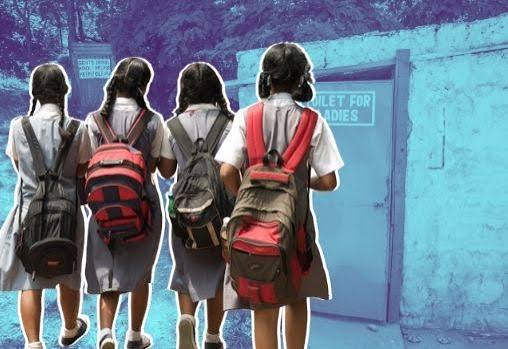
- Distance and transportation: Long distances to school create dropouts or irregular attendance.
- Teacher quality: Poorly trained or absent teachers limit learning outcomes.
- Language barriers: Teaching in a language children do not speak at home can reduce learning.
Effective Needs Assessment
A thorough needs assessment ensures that education support is relevant and practical:
- Conduct surveys and interviews with children, parents, and teachers.
- Observe classroom and community conditions firsthand.
- Map barriers by priority: which challenges prevent children from attending school regularly, and which prevent learning even when attendance is good?
- Use data to design targeted interventions, not generic support packages.
👉 Click here to know about The Community Strategies to Boost Underprivileged Education: 7 Approaches That Deliver Results
The Role of Family and Community in Education Support
Parents, caregivers, and the broader community play a pivotal role in a child’s educational success. Studies consistently show that children with involved parents perform better academically, even when parents are illiterate.
Key Insights:
- Parental engagement: Attending school meetings, checking homework, and emphasizing the importance of education improves outcomes.
- Community involvement: Local leaders, women’s self-help groups, and community organizations can advocate for education and sustain programs.
- Cultural alignment: Support strategies that respect local traditions and household responsibilities are more effective.
Case Study: aRural Odisha
- Background: A school had 78% enrollment but only 45% regular attendance.
- Challenge: Children left school mid-morning to help parents in agriculture.
- Actions Taken: Introduced mid-day meals, adjusted school hours to align with harvest seasons, and trained teachers to engage parents.
- Outcome: Attendance increased to 82% within a semester.
- Lesson: Flexibility and understanding local contexts are as critical as pedagogical quality.
Pro Tips:
- Conduct home visits to understand household dynamics.
- Collaborate with local women’s groups to improve community trust and participation.
8 Practical Education Support Strategies That Work
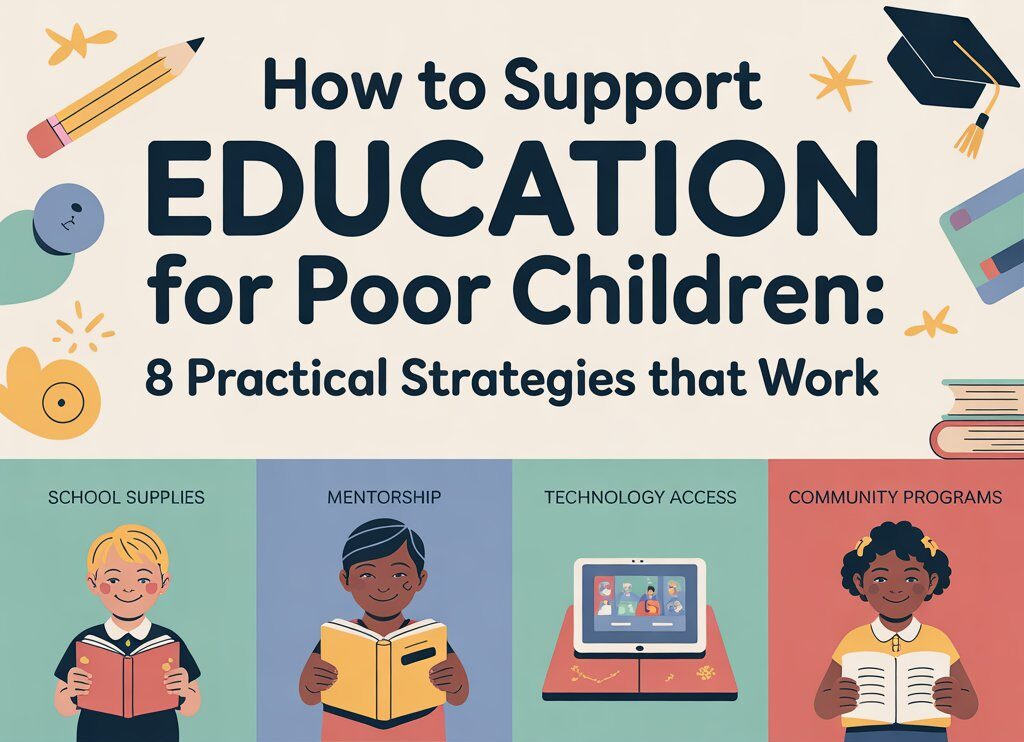
To make a meaningful impact, programs must combine multiple strategies tailored to a child’s environment. Here are eight practical approaches:
1. After-School Learning Centers
These centers provide:
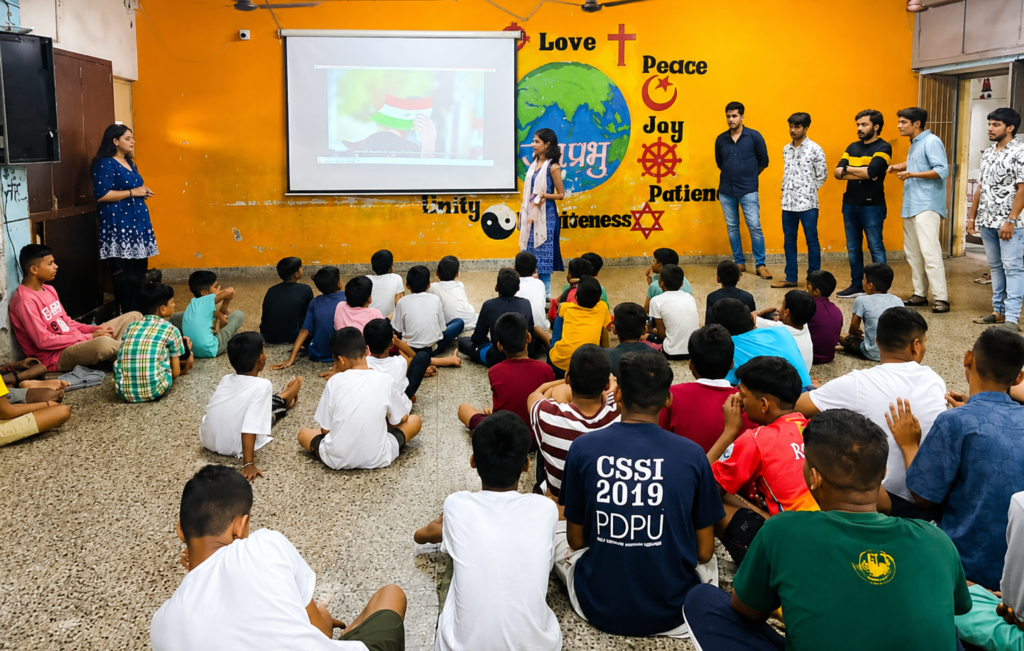
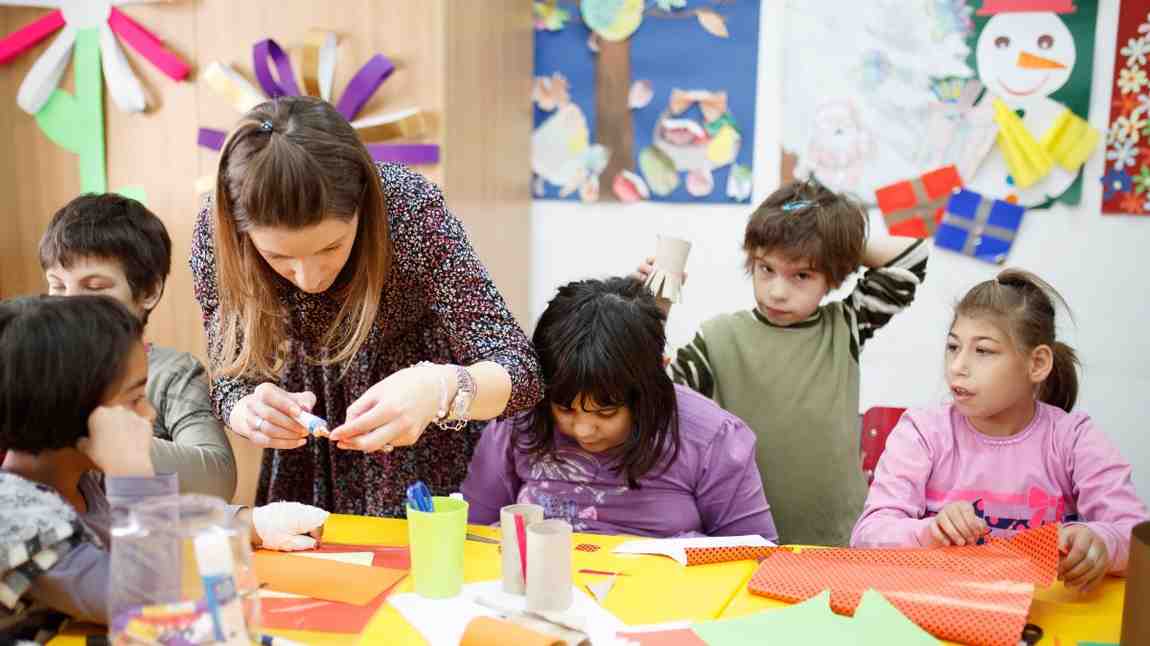
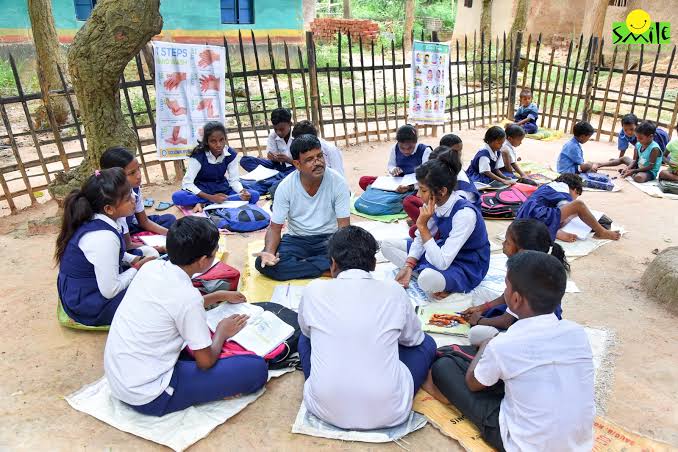
- A safe and quiet space for children to study.
- Access to books, learning materials, and tutoring.
- Mentoring by trained educators who can identify struggles early.
Benefits:
- Improves homework completion and understanding of difficult subjects.
- Offers mentorship and positive role models.
- Reduces vulnerability to child labor during after-school hours.
Example: In Delhi, community-run after-school centers increased literacy scores by 25% over a year.
2. Teacher Support and Training
Teachers are the backbone of quality education. In underfunded schools:
- Teacher absenteeism and poor pedagogy are major barriers.
- Regular training in active teaching methods enhances learning outcomes.
- Support can include teaching aids, peer mentoring, and professional development workshops.
Example: A teacher training program in Maharashtra improved math proficiency by 30% in rural classrooms over 12 months.
3. Nutritional Support
Nutrition directly impacts concentration and learning:
- Mid-day meal programs in India have boosted enrollment and attentiveness.
- School-provided breakfast or snacks can prevent children from skipping school due to hunger.
Pro Tip: Collaborate with NGOs or local governments to ensure nutritious meals are culturally acceptable and meet dietary needs.
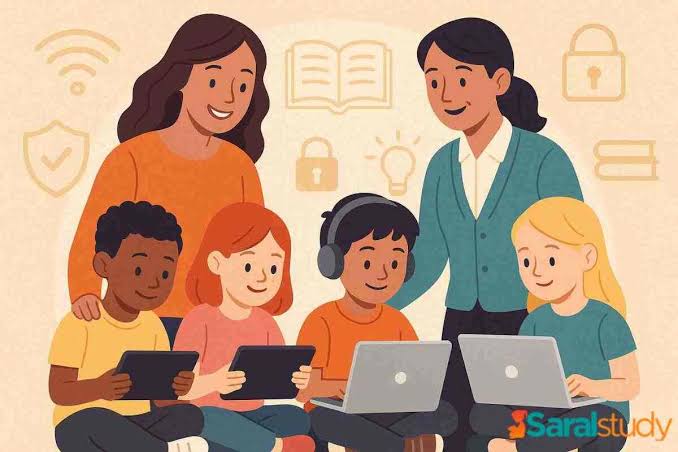
4. Digital Learning Tools
Technology can amplify reach:
- Offline educational apps for tablets or smartphones.
- Solar-powered learning kits for regions with unreliable electricity.
- Curriculum-aligned interactive tools to supplement classroom teaching.
Benefits:
- Personalized learning pathways for each child.
- Extends learning hours beyond school.
- Reduces dependency on scarce qualified teachers.
5. Parental Literacy Programs
When parents learn to read and write:
- They can help with homework.
- They develop a deeper appreciation of schooling.
- They can actively participate in school meetings.
Example: A literacy program in Bihar enabled parents to engage with their children’s assignments, resulting in a 15% improvement in reading levels.
6. Remedial Education
Early academic failure often leads to dropout. Structured remedial programs include:
- Diagnostic testing to identify struggling learners.
- Small-group tutoring focused on weak areas.
- Progress tracking to prevent children from falling further behind.
7. Mental Health and Counseling
Poverty and trauma can hinder learning:
- Access to counselors improves emotional well-being and resilience.
- Trauma-informed teaching helps children cope with stressors.
- Community-based mental health workers provide affordable, culturally relevant support.
8. Scholarship and Stipend Programs
Direct financial support:
- Covers tuition, uniforms, books, and transportation.
- Reduces dropout caused by economic pressures.
- Incentivizes regular attendance and academic performance.
Example: Scholarship programs in Rajasthan increased secondary school completion rates by 20% in underprivileged areas.
How to Choose the Right Education Support Program to Sponsor
Not all programs are equally effective. Key criteria include:
- Learning outcomes: Programs must measure improvements, not just enrollment.
- Community involvement: Effective programs involve local stakeholders.
- Transparency: Look for clear reporting and accountability.
- Sustainability: Programs should build local ownership rather than dependency.
Case Study: Mumbai Slum Tutoring Center
- Background: A donor-funded center closed after 18 months when the only tutor left.
- Actions Taken: Unessa Foundation trained three community educators, decentralizing responsibility.
- Outcome: Center now operates for four years with sustained 85% attendance.
- Lesson: Sustainability requires community governance, not reliance on external personnel.
Pro Tips:
- Design programs with clear exit strategies.
- Publicly recognize volunteers and educators to sustain motivation.
Scaling Education Support: From Pilot to Impact
Scaling programs is more than replication — it requires adaptation:
- Document what works and why.
- Evaluate the pilot thoroughly before expansion.
- Adjust interventions for new community contexts.
Example: Unessa Foundation uses a phased scaling model: pilot, evaluate, adapt, then expand.
Technology’s Role in Scaling Education Support
Technology enables scalable learning:
- Recorded lessons allow one teacher to reach thousands of children.
- Adaptive learning apps personalize instruction.
- Facilitators guide students rather than delivering content themselves.
Case Study:
An NGO scaled a tutoring model from 5 villages to 50 using digital curriculum modules, lowering per-child costs by 30% while maintaining 85% of learning outcomes.
Pro Tips:
- Collect local-level data for informed decisions.
- Build monitoring systems early to track impact effectively.
👉 Click here to know about Long-Term Benefits of Sponsor Education Programs: Why Investing Now Changes Everything
Conclusion & Call to Action
Supporting education for poor children requires a systemic approach. The eight strategies outlined here — after-school centers, teacher training, nutrition, digital tools, parental literacy, remedial education, counseling, and scholarships — are most effective when implemented together.
Whether you are an individual donor, volunteer, corporate partner, or policymaker, there is a role for you in building this system.
Frequently Asked Questions
What is the most effective form of education support for poor children?
Combined interventions — nutrition, quality teaching, parental engagement, and financial support — are significantly more effective than single strategies.
How can I volunteer to support education for poor children?
Engage with NGOs running tutoring programs, literacy campaigns, or school support initiatives. Volunteers are often needed for teaching, mentoring, and program management.
What role do NGOs play in education support?
NGOs fill gaps left by government programs, pilot innovative models, and advocate for policy changes to improve access to education.
Are scholarships enough to ensure education for poor children?
No. Scholarships help but are most effective when combined with holistic support like tutoring, mentoring, nutrition, and parental involvement.
Can digital tools replace teachers in underprivileged areas?
No. Technology amplifies effective teaching but cannot replace human engagement, guidance, and emotional support.
How do you measure the impact of education support programs?
Track learning outcomes, attendance, dropout rates, student engagement, parental involvement, and long-term academic progress.