
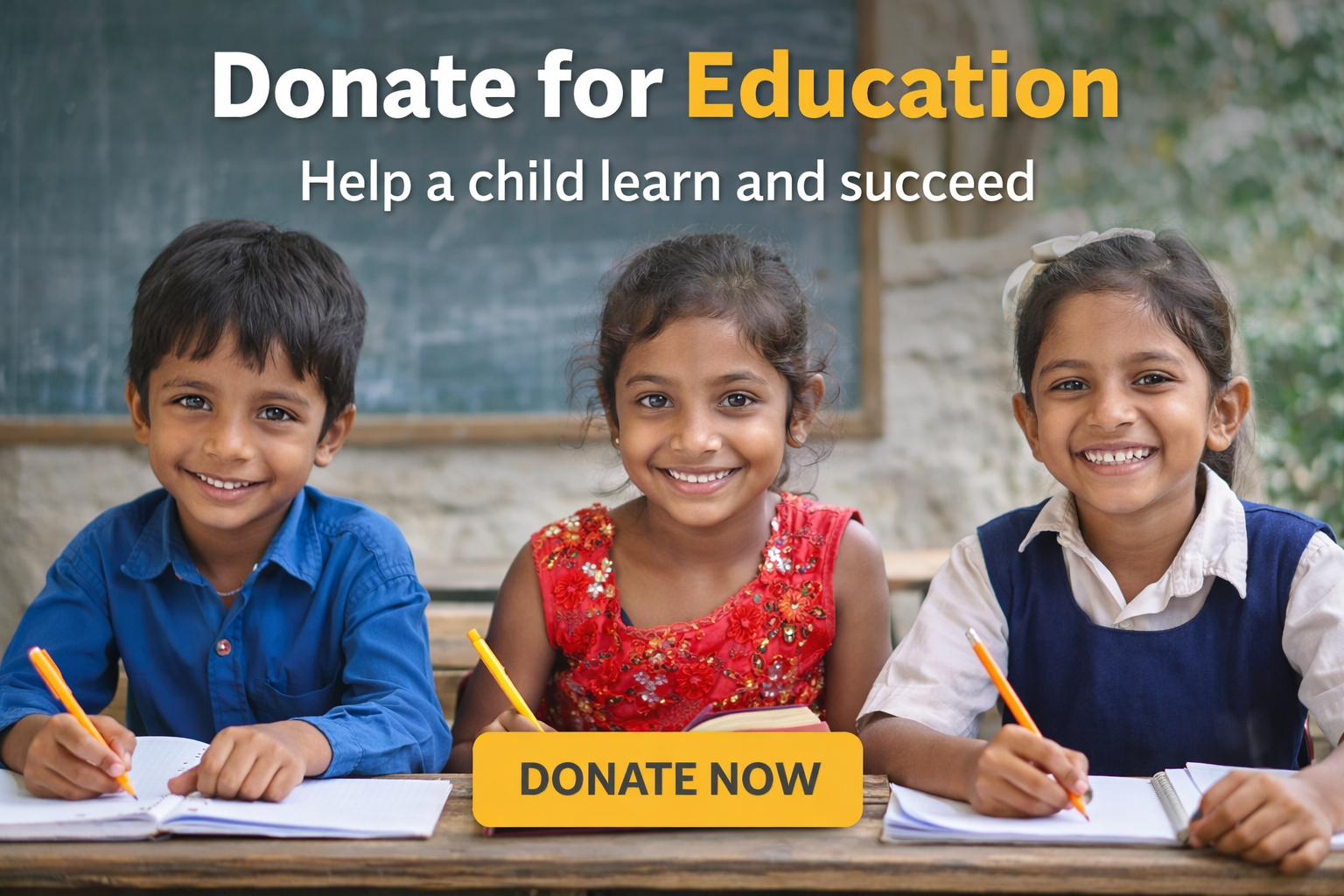

Education is one of the most powerful tools for transforming lives, yet millions of children across the world are still deprived of it. Poverty, lack of resources, and social inequalities prevent many young minds from accessing quality education. Learn more about barriers to education for underprivileged children. In such a scenario, donating for education becomes more than an act of charity—it becomes a way to shape a child’s future and build a better society.
Every contribution, no matter how small, has the potential to create lasting change. When you donate for education, you are not just helping a child attend school—you are giving them the opportunity to dream, learn, and succeed. When you donate for education, you are investing in a child’s future and giving them a chance to succeed.
Why Donating for Education Matters
Education is the foundation of personal and societal growth. However, underprivileged children often lack access to basic educational resources.
Key reasons why donations are important:
- Help children stay in school
- Reduce dropout rates
- Provide learning materials
- Improve access to quality education
- Promote equal opportunities
Your donation can bridge the gap between potential and opportunity.
The Reality of Educational Inequality
In many parts of India and the world:
- Children drop out due to financial constraints
- Schools lack proper infrastructure
- Teachers are undertrained
- Access to digital education is limited
These challenges create a cycle of poverty that continues across generations.
Donations play a crucial role in breaking this cycle.
How Your Donation Makes a Difference
1. Covers Basic Educational Needs
Donations help provide essential items such as:
- School fees
- Books and stationery
- Uniforms
- School bags
These basic necessities are often out of reach for poor families.
2. Supports School Infrastructure
Funds are used to improve:
- Classrooms
- Libraries
- Sanitation facilities
- Drinking water systems
A better environment enhances learning outcomes.
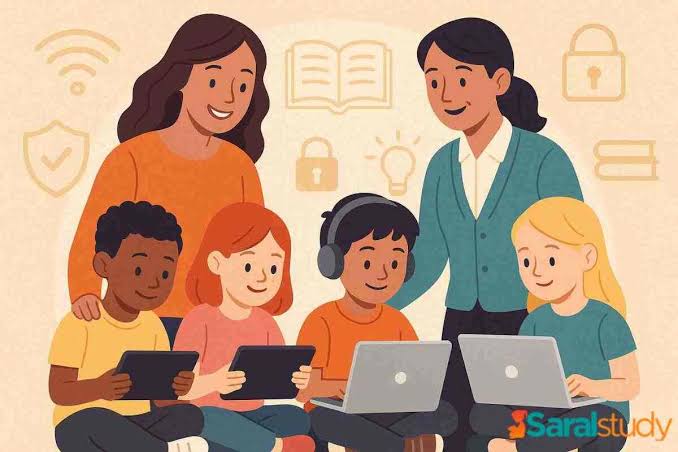
3. Enables Digital Learning
In today’s digital age, access to technology is vital.
Donations help provide:
- Computers and tablets
- Internet access
- Online learning tools
This ensures children are not left behind.
4. Funds Teacher Training
Quality education depends on skilled teachers.
Donations support:
- Teacher training programs
- Teaching resources
- Innovative learning methods
5. Provides Scholarships
Many children drop out due to financial issues. Scholarships funded by donations:
- Cover tuition fees
- Encourage higher education
- Reduce financial stress on families
Types of Educational Donations
Many people choose to donate for education to support underprivileged children and improve literacy rates.
1. Monetary Donations
Financial contributions are the most flexible and impactful form of donation. They allow organizations to allocate resources where they are needed most.
2. In-Kind Donations
You can donate:
- Books
- Stationery
- School supplies
- Laptops or tablets
3. Time and skills
Volunteering your time as a tutor or mentor can be just as valuable as financial support.
4. Sponsorship Programs
Sponsoring a child ensures continuous support for their education.
Impact of Donating for Education
For Children:
- Access to education
- Improved confidence
- Better career opportunities
- Higher quality of life
For Society:
- Reduced poverty
- Economic growth
- Social equality
- Stronger communities
Real-Life Impact Examples
- A child from a low-income family becomes a doctor through donated scholarships
- A rural school transforms with improved infrastructure
- A student learns coding through donated digital devices
These stories highlight how donations create real change.
How to Donate for Education Effectively
1. Choose a Reputable Organization
Ensure the organization is:
- Transparent
- Accountable
- Impact-driven
2. Understand Where Your Money Goes
Check how funds are used:
- Education programs
- Infrastructure development
- Student support
3. Start Small but Stay Consistent
Even small, regular donations can create a big impact over time.
4. Encourage Others to Contribute
Spread awareness and motivate friends, family, and colleagues to donate.
Common Myths About Donations
Myth 1: Small Donations Don’t Matter
Reality: Every contribution adds up and makes a difference.
Myth 2: Donations Are Not Transparent
Reality: Reputable organizations provide detailed reports and updates.
Myth 3: Only Money Helps
Reality: Time, skills, and resources are equally valuable.
Myth 4: One-Time Donation Is Enough
Reality: Consistent support creates long-term impact.
Challenges in Educational Donations
- Lack of awareness
- Trust issues with organizations
- Limited resources
- Difficulty reaching remote areas
Overcoming these challenges requires transparency and community involvement.
The Role of Corporate and Community Support
Businesses and communities can amplify impact by:
- Funding educational programs
- Organizing donation drives
- Partnering with NGOs
- Supporting digital education initiatives
Collective efforts lead to greater change.
Long-Term Benefits of Donating for Education
Investing in education creates lasting impact:
- Breaks the cycle of poverty
- Improves literacy rates
- Strengthens economies
- Builds a better future
An educated child becomes a responsible adult who contributes to society.
How Students and Young Professionals Can Contribute
Even with limited resources, you can:
- Donate small amounts regularly
- Share study materials
- Volunteer as a tutor
- Raise awareness on social media
Every action counts.
Conclusion
If you want to make a real difference, donate for education today and help shape a better future. Donating for education is one of the most meaningful ways to make a difference in the world. It is not just about providing resources—it is about creating opportunities, empowering children, and shaping a better future.
Your contribution, no matter how small, has the power to change a child’s life forever. By supporting education, you are investing in a brighter, more equitable world.
Start today—because every child deserves a chance to learn and succeed.
Learn more about global education support:
https://www.unicef.org/education
FAQs
Why should I donate for education?
It helps children access learning opportunities and break the cycle of poverty.
How much should I donate?
Any amount is valuable—consistency matters more than size.
What can I donate besides money?
Books, stationery, digital devices, and your time as a volunteer.
How do I ensure my donation is used properly?
Choose reputable organizations with transparency and accountability.
Can students donate?
Yes, even small contributions or volunteering can make a difference.
What impact does my donation have?
It improves education access, reduces poverty, and creates opportunities.
Are one-time donations effective?
Yes, but regular contributions have a greater long-term impact.